


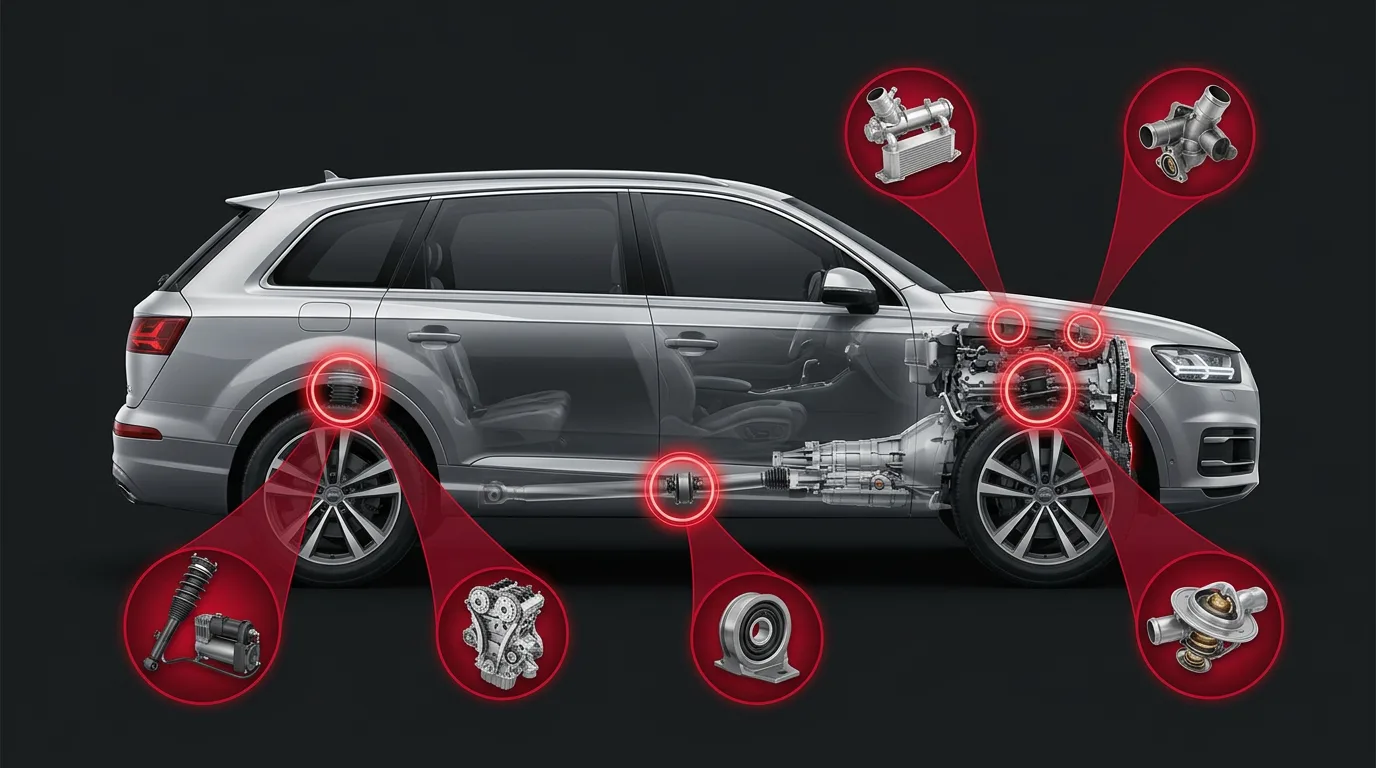
The Audi Q7 is one of the toughest large SUVs on South African roads, but it has a short and very predictable list of faults - and almost all of them are expensive at a dealer and cheap with the right used part. The big three are the adaptive air suspension, the 3.0 TDI timing chain tensioner, and the centre propshaft support bearing. None of them are mysteries, and none of them need a brand-new dealer component to put right.
This guide covers both generations - the first-generation 4L (2005-2015) and the second-generation 4M (2015 onwards) - what actually goes wrong, how to spot it before you buy, and indicative costs for the parts in Rands. If you already know what you need, browse our Audi Q7 spares stock.
Key Takeaways
| Question | Quick Answer |
|---|---|
| What fails most on a Q7? | On the first-generation 4L, the air suspension is a well-known trouble spot - air springs and the compressor. |
| Is the 3.0 TDI timing chain a problem? | The chain tensioner is. A rattle on cold start-up is the warning sign, and it is fixable before the chain jumps. |
| What is the whining noise at 50-60 km/h? | Almost always the worn centre propshaft support bearing - a known 4L weak point. |
| Which Q7 years should I be careful with? | Early 4L 3.0 TDI cars for chain tensioners and coolers; 2013 3.0 TDI models carry a brake-booster recall. |
| Is a used air spring worth it? | Yes, a tested used air spring or compressor costs far less than a new one. Ask us for a quote with your VIN. |
| What does a used Q7 engine cost? | Our engine price guide lists used Q7 engines at about R40,000 to R85,000 depending on the unit (indicative, not a quote). |
First Know Which Q7 You Have
The two generations are mechanically very different cars, so always match parts to your generation and VIN.
The first-generation Q7 (Typ 4L) covers roughly 2005 to 2015, and most of the known faults below come from Haynes' guide to that generation. The second-generation Q7 (Typ 4M) followed from 2015 on a different platform, so its parts are not interchangeable with the 4L.
Air Suspension - The Q7's Signature Failure
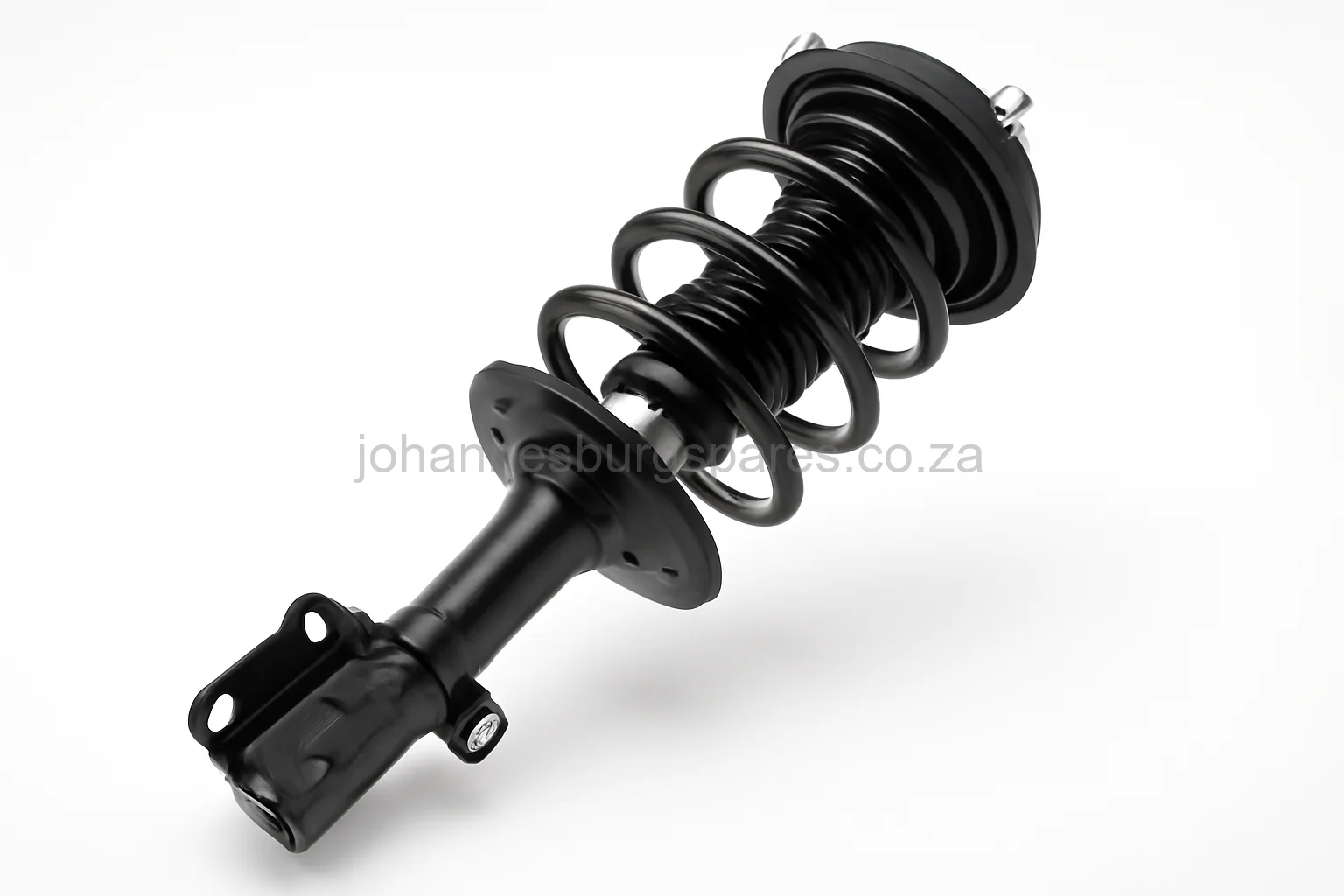
If a Q7 is going to give trouble, this is where it starts. The symptoms are unmistakable: a suspension warning light, the car sitting down on one corner overnight, headlights aiming at the treetops because the self-levelling has given up, and the ride height refusing to adjust.
The usual culprits are perished air springs that leak, and a failing compressor. A well-documented root cause on the 4L is water getting into the compressor dryer, which then needs the pressure accumulator and struts bled and the dryer replaced.
Source: Haynes - Audi Q7 common problems (2005-2015)
New air suspension parts are expensive, and a car that has lost one bag may have been running the compressor hard too, so it is not always a single-part job.
This is where a scrap yard changes the maths. Used air struts, compressors and valve blocks cost far less than new. See our suspension and steering parts range.
Timing Chain Rattle on the 3.0 TDI
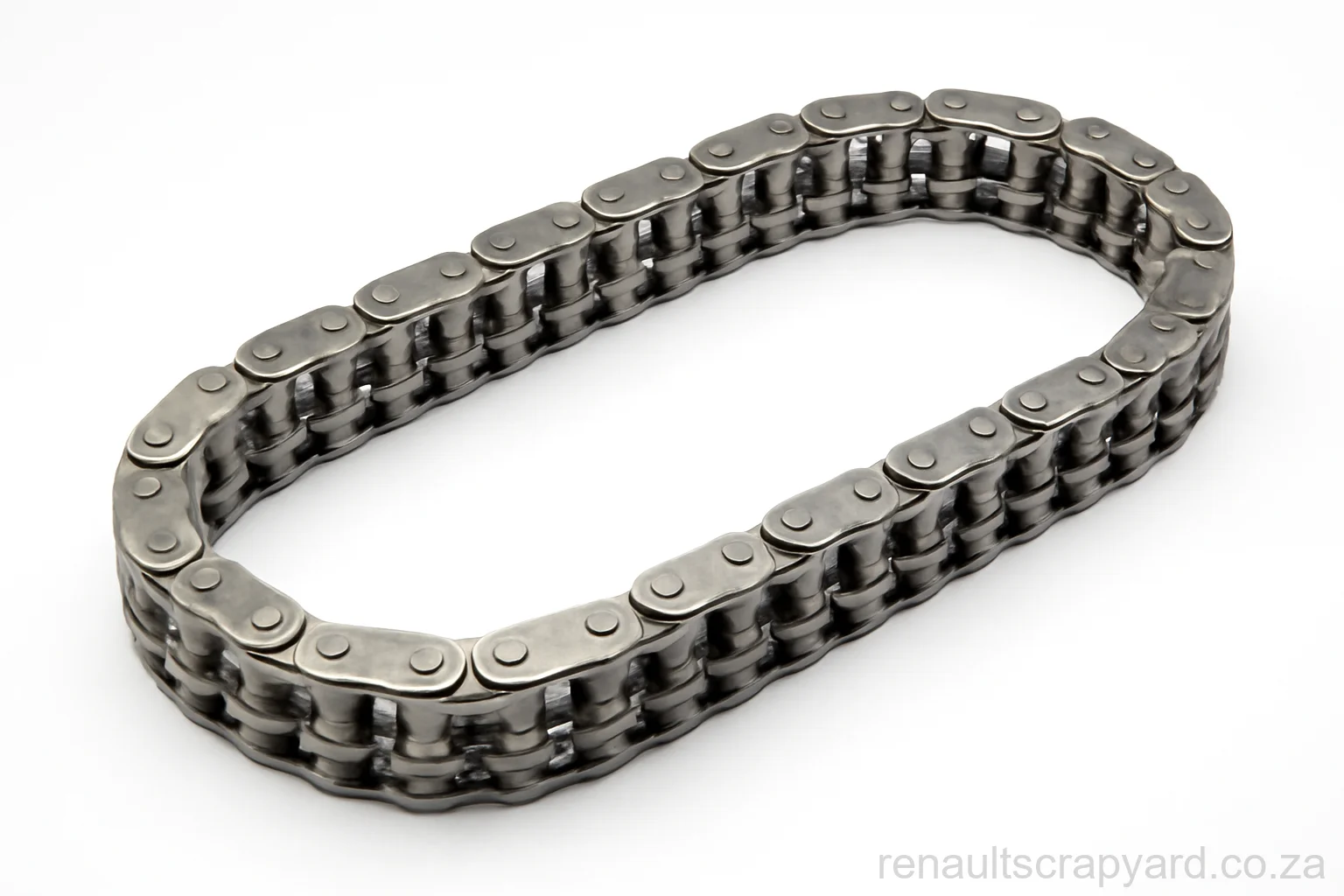
A short rattle from the front of the engine on a cold start is the classic warning of a worn timing chain tensioner on the 3.0 TDI. Audi's first line of attack is a software update; if the noise persists, the tensioner itself needs replacing.
Source: Haynes - Audi Q7 common problems (2005-2015)
Do not ignore it. The 3.0 TDI is an interference engine - if a stretched chain jumps a tooth, the pistons and valves meet, and a tensioner job turns into an engine job. The chains on this V6 are driven from the back of the engine, so the labour bill is high whichever way you go, which is all the more reason to fix it at the rattle stage rather than after the bang.
If a chain has already jumped and the head is damaged, a tested used engine is often the economic answer - our engine price guide lists used Q7 engines at about R40,000 to R85,000 depending on the unit (indicative, not a quote). Browse used Audi engines for sale to compare.
The Whine at 50-60 km/h: Centre Propshaft Bearing
A whining noise from underneath the car at around 50-60 km/h, more pronounced when the car is cold, points squarely at a worn centre propshaft support bearing. It is a well-known 4L fault and mercifully a relatively simple job to put right.
Source: Haynes - Audi Q7 common problems (2005-2015)
The reason it is so common is age rather than abuse: the support bearing sits in a rubber carrier that hardens, cracks and sags over ten to fifteen years, letting the driveshaft run off-centre. Left alone, the resulting vibration works its way into the transfer case and rear differential - which is how a bearing becomes a drivetrain rebuild.
Catch it early. On a Q7 that has covered serious kilometres, treat a new whine as a bearing until proven otherwise.
Coolant Leaks: EGR Cooler and Oil Cooler
On 3.0 TDI Q7s, a slow and unexplained coolant loss with no visible puddle is a hallmark of the EGR cooler or the oil cooler sitting in the engine valley leaking internally. The coolant disappears into the intake or into the oil rather than onto the driveway, which is why a standard pressure test can look inconclusive while the level keeps dropping.
Source: Audizine - Q7 TDI, beware that EGR cooler
Check the oil for coolant contamination and watch for sweet-smelling exhaust smoke. Both coolers sit under the intake manifold, so access is the expensive part of the job - worth doing the thermostat and any tired hoses at the same time while the top of the engine is open.
Speaking of which: thermostat failure is its own listed Q7 complaint, showing up as reduced performance or an engine running hot, as is the inlet manifold flap actuator (fault codes P2008 and P2011, actuator part number 059 129 086 M) which trips the engine warning light.
Recalls Worth Checking Before You Buy
Three NHTSA recall campaigns are worth knowing about when you are shopping for a used Q7:
- 14V516000 - certain 2013 Q7s with the 3.0 TDI engine, built 5 June 2012 to 29 November 2012. A check valve can become contaminated with plastic debris and let engine oil leak into the brake booster, where it can rupture the diaphragm and cause a loss of power braking assistance.
- 17V298000 - certain 2013-2017 petrol Q5 and Q7 models, where the fuel pump flange may crack and allow fuel to leak.
- 23V086000 - certain 2009-2015 Q7s carrying an incorrect Gross Axle Weight Rating on the certification label, allowing the vehicle to be overloaded.
Source: NHTSA - Audi Q7 recall 14V516 acknowledgement
Recall work is done free of charge by the manufacturer, but on a grey-import or a car that has changed hands several times there is no guarantee it was ever carried out. Ask for the service history and confirm.
What Q7 Repairs Actually Cost in South Africa
These are indicative ranges from our own price guides, not quotes; prices vary by condition, mileage and supplier.
| Q7 Part | Our Indicative Used Price |
|---|---|
| Used engine (3.0 TDI / 3.0 TFSI / 4.2 TDI) | R40,000 - R85,000 |
| Used gearbox (6-spd Aisin, 8-spd ZF Tiptronic) | R5,500 - R35,000 |
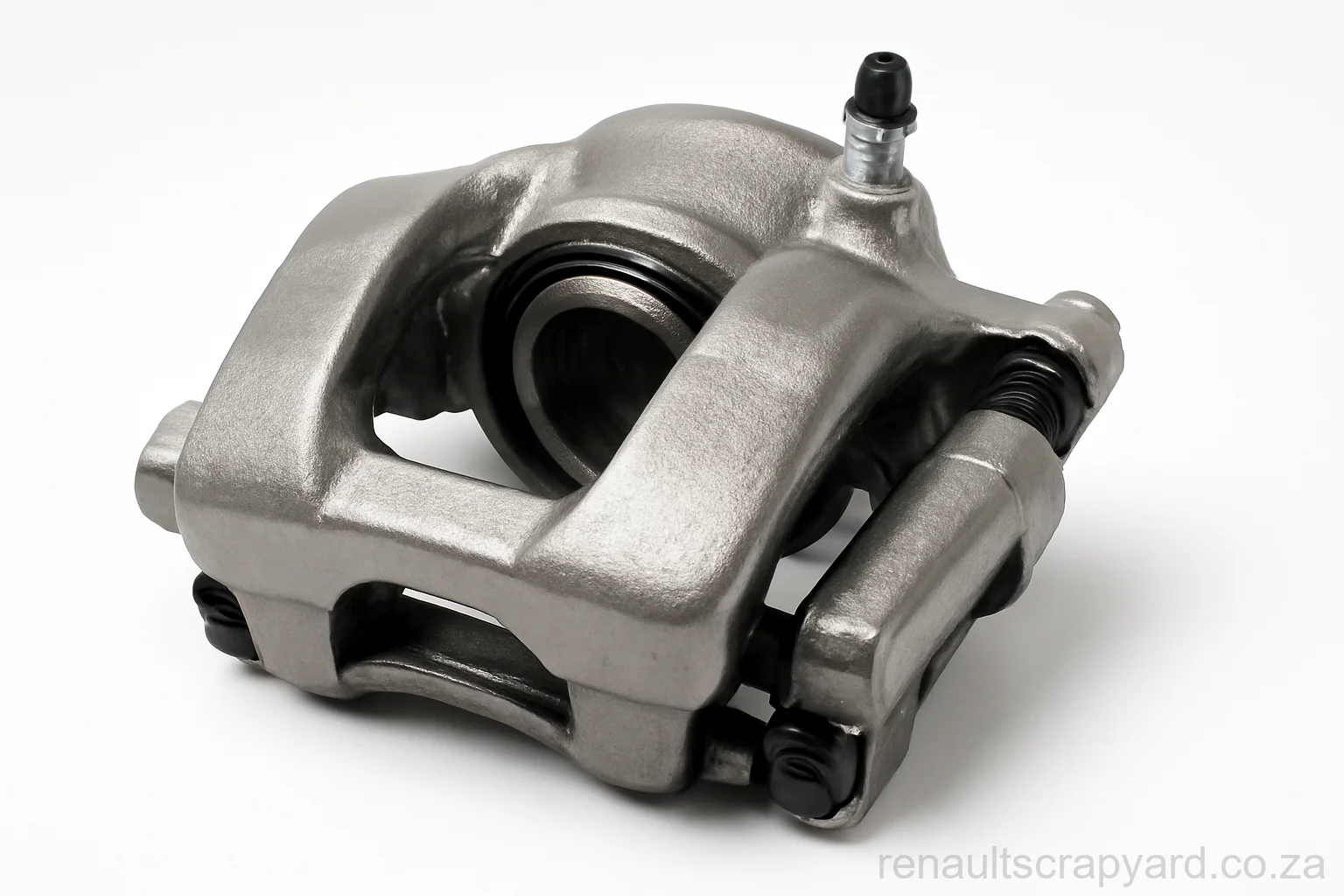
| Used brake caliper (each) | R1,500 - R5,000 |
| Used radiator | R2,000 - R6,000 |
Air suspension compressors, air struts, turbochargers, transfer cases and brake calipers all carry a steep new-part premium, which is what makes a tested used unit worth sourcing. For the automatic, see our used Audi gearboxes stock.
Buying a Used Q7 - The Five-Minute Check
Run through this before you hand over money:
- Park it overnight and look at it in the morning. A corner that has settled means a leaking air spring.
- Start it stone cold and listen. A brief rattle from the front of a 3.0 TDI is the chain tensioner talking.
- Drive it at 50-60 km/h with the radio off. A whine from underneath is the propshaft centre bearing.
- Check the coolant level and the oil. Coolant vanishing with no leak on the ground points at the EGR or oil cooler.
- Cycle the ride-height settings. All levels should raise and lower smoothly, with no warning light.
A Q7 that fails one of these is not a bad car - it is a negotiating position, provided you know what the part actually costs to replace. If you have a turbo on the shopping list too, our guide to fitting a used Audi turbocharger covers the pitfalls.
Related Reading
- Audi A4 common problems by generation - the same treatment for the B7, B8 and B9 A4
- Audi DSG gearbox guide: DQ250 vs DQ500 vs DQ200 - which dual-clutch box is in your Audi and what it costs
- Audi A6 problems on the C6 and C7 - gearbox judder, oil cooler failure and the recalls to check on a used A6
- Audi spares across Gauteng - where we deliver from our Lenasia South yard
- Contact Audi Parts SA - send your VIN and we will confirm the exact part for your Q7


