


How to Install a Used Audi Turbocharger Safely (Professional Tips Most Drivers Miss)
Many turbo failures come from outside problems like poor oil supply or dirt entering the system rather than the turbo itself. When a used Audi turbocharger is installed correctly and the engine is prepared properly, it can run reliably for years.
This guide walks through practical tips for installing a used Audi turbocharger safely, whether you fit it yourself or your mechanic does. Audi Parts SA supplies used turbos and parts; we do not fit them, so use a qualified mechanic if you are not confident doing the job.
Key Takeaways
| Common Question | Quick Answer |
|---|---|
| Is it safe to install a used Audi turbocharger? | Yes, as long as the turbo is inspected, the oil system is clean, and you use quality used Audi parts from a trusted supplier. |
| Where can I find reliable Audi turbo spares? | From dismantlers who test parts before sale, such as our Johannesburg Audi spares yard. |
| Do used turbochargers perform well? | Yes. When inspected and installed correctly, used Audi parts can deliver strong performance and reliability. |
| What should I replace during turbo installation? | Oil lines, filters, gaskets, and sometimes related engine components should always be inspected or replaced. |
| Can a DIY turbo install save money? | Yes. Professional installation can cost thousands, but careful DIY installation with tested parts reduces costs. |
| Which Audi models commonly use turbocharged engines? | Most modern Audi vehicles including the Audi A1, Audi TT, Audi Q7, and Audi A8. |
1. Why Many Audi Owners Choose Used Turbochargers
A brand new turbocharger for an Audi can be expensive. Many drivers choose quality tested used Audi parts because they provide reliable performance at a fraction of the cost.
Mechanics often source turbochargers from dismantled vehicles. Ask the supplier whether the unit was inspected and tested before sale.
Combining a used turbo with careful installation is a practical option that balances quality and cost.

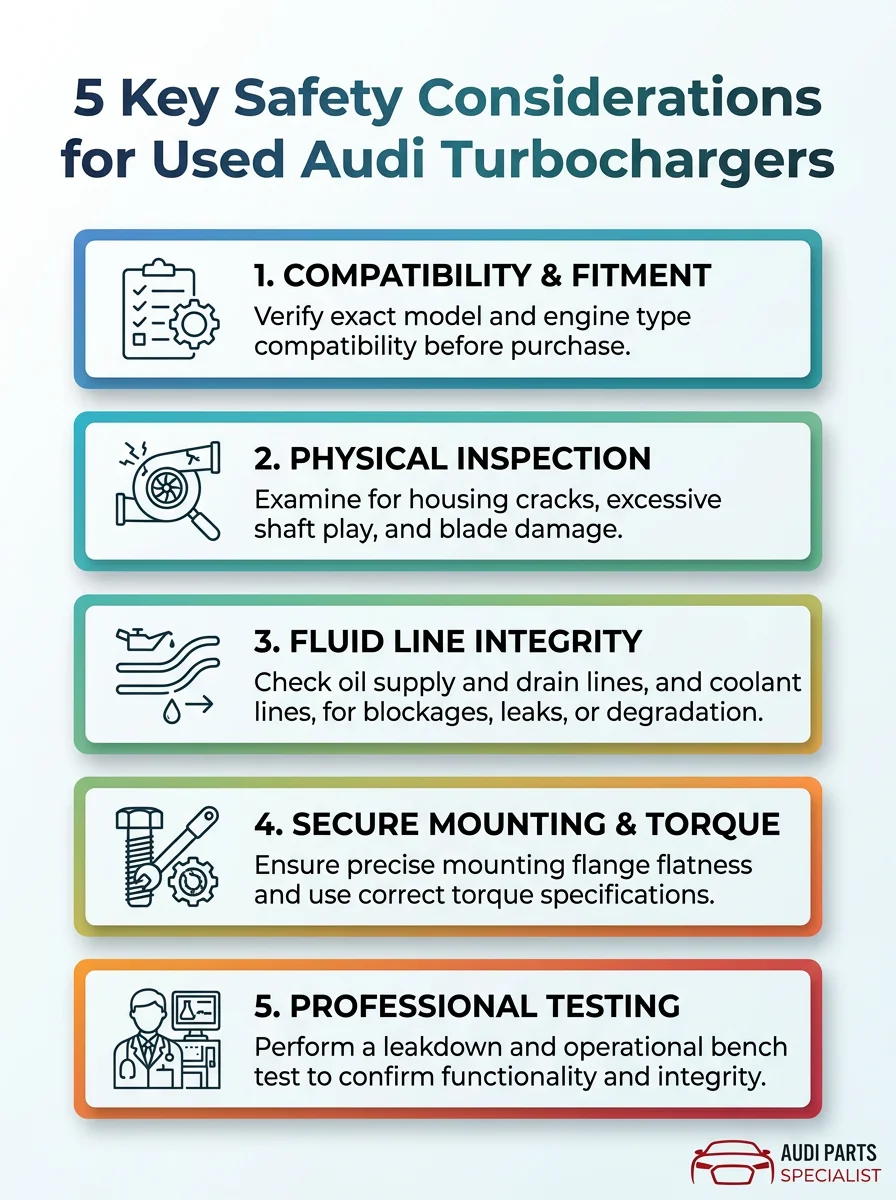
2. Confirm the Turbo Matches Your Exact Audi Engine
Audi engines are highly engineered. Even small differences in turbocharger design can affect boost pressure, fitment, and reliability.
Before installation, always confirm the part number and engine code. This step prevents costly problems later.
- Check the turbo model number
- Verify engine code compatibility
- Confirm oil and coolant line connections
- Inspect actuator type and boost control
If the turbo originally came from the same model or engine family, the installation process becomes far easier.

3. Inspect the Used Turbo Before Installation
A careful inspection protects your engine and saves time later. Even quality used Audi parts should be checked before installation.
Inspect both the turbine and compressor sides of the turbocharger. A small issue caught early can prevent a major failure.
- Check shaft play by gently moving the turbine
- Inspect compressor blades for chips or damage
- Look for oil residue inside the housing
- Ensure actuator movement is smooth
If anything feels rough or loose, it is safer to test or replace the turbo before installing it.
4. Clean the Entire Intake System Before Installing the Turbo
Many turbo failures happen because debris enters the intake system. Even a small piece of dirt can damage turbo blades spinning at extreme speed.
Before installing the turbocharger, clean every intake pipe and intercooler connection thoroughly. This simple step improves reliability.
- Remove old oil residue from intercooler pipes
- Replace the air filter
- Clean intake hoses and clamps
- Inspect the airbox for debris

5. Always Prime the Turbo With Oil Before First Startup
A turbocharger depends entirely on engine oil for lubrication. Running it dry for even a few seconds can cause permanent damage.
Fill the oil inlet port with fresh engine oil before installation, so the internal bearings are lubricated as soon as the engine starts.
Many mechanics also crank the engine briefly without starting it. This allows oil to circulate through the turbo before the first ignition.
6. Replace Gaskets, Filters, and Oil Lines
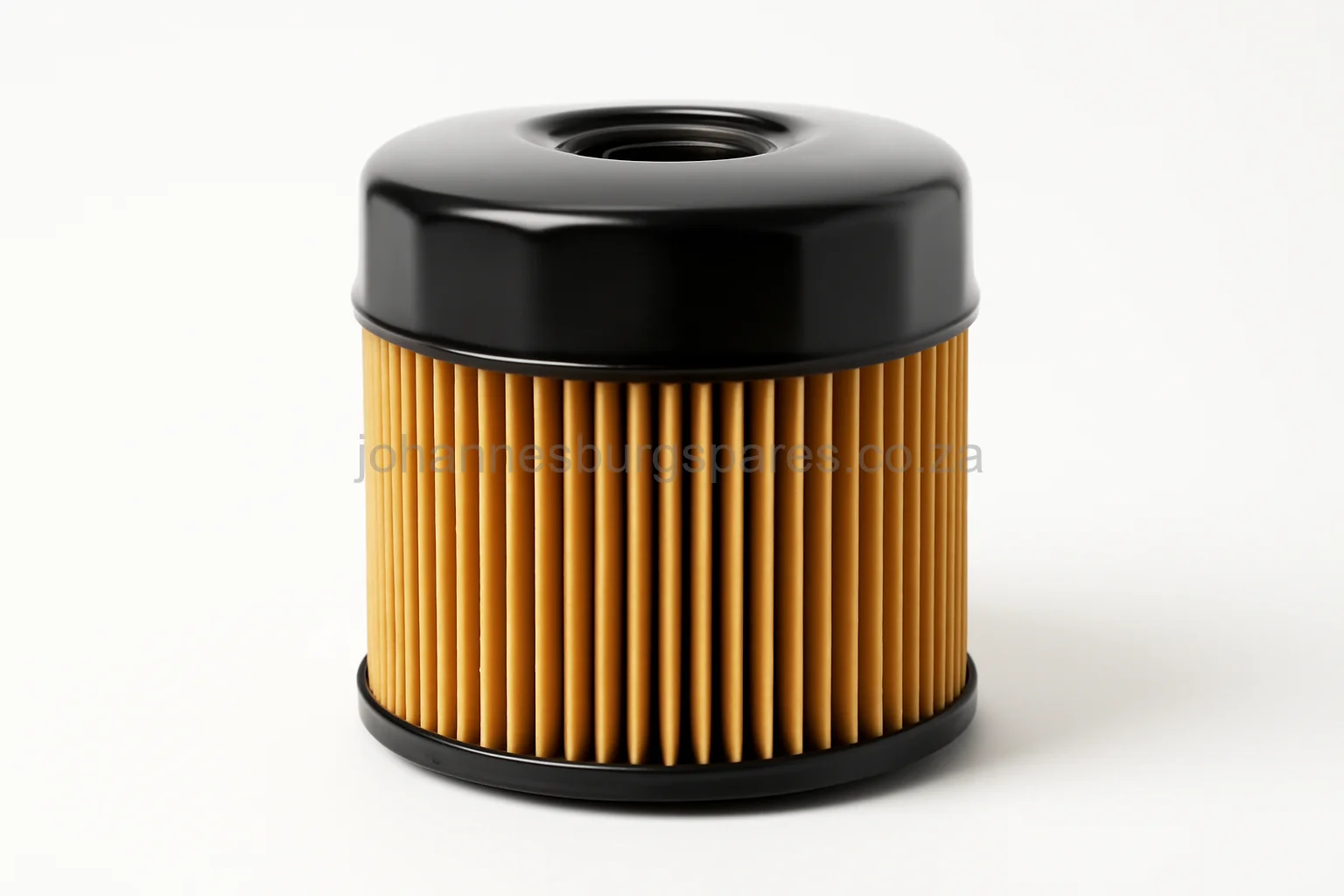
Installing a used turbo without replacing small supporting parts is a common mistake. Gaskets and filters are inexpensive but critical.
Fit fresh components to avoid leaks and contamination.
| Component | Why Replace It |
|---|---|
| Oil feed line | Prevents sludge blocking oil supply |
| Turbo gasket | Stops boost or exhaust leaks |
| Oil filter | Keeps debris away from bearings |
| Air filter | Protects compressor blades |
Small maintenance items protect expensive engine components.
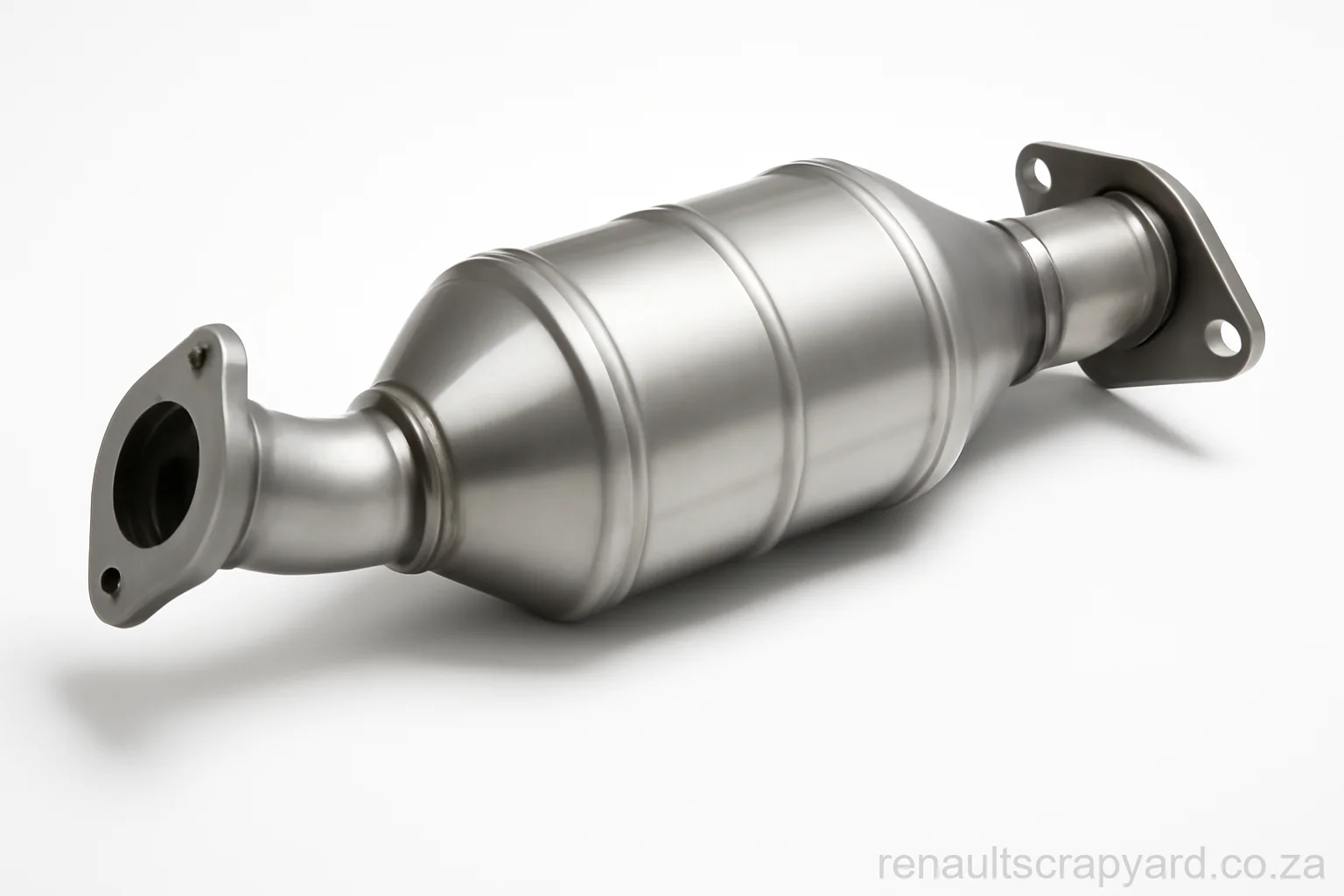
7. Inspect the Exhaust and Catalytic System
A blocked exhaust or catalytic converter increases back pressure. This puts stress on the turbocharger and reduces efficiency.
When installing a used turbo, inspect the entire exhaust path. If the previous turbo failed, metal fragments may still be present.
- Check catalytic converter flow
- Inspect exhaust manifold cracks
- Remove debris from pipes
- Verify oxygen sensor connections
8. Ensure the Engine and Cooling System Are Healthy
The turbocharger relies heavily on proper engine cooling. Overheating can damage bearings and seals.
Before installing the turbo, confirm that cooling components work correctly. Radiators, hoses, and coolant levels should all be checked.
Good engine health means the turbo will run cooler and last longer.

9. Test the Turbo After Installation
Once it is installed, do not drive aggressively right away. The turbo should be tested gradually.
Start the engine and let it idle while checking for oil leaks, smoke, or unusual noises.
- Idle engine for several minutes
- Monitor oil pressure
- Check for exhaust leaks
- Gradually increase boost pressure during test drive

10. Work With Trusted Suppliers for Used Audi Parts
The quality of the turbocharger itself is just as important as installation, so source it from a supplier who inspects and tests parts before sale and explains its warranty.
Conclusion
Installing a used Audi turbocharger safely is all about preparation, inspection, and using reliable parts. Cleaning the intake system, priming the turbo with oil, and replacing supporting components all reduce the risk of failure.
Quality tested Audi spares sourced from trusted suppliers make the process even safer. With the right approach, a used turbocharger can deliver strong performance and long service life for your Audi.
If you take your time and follow professional installation practices, your Audi will reward you with smooth boost, strong power, and dependable driving for years to come.
Related Reading
- Browse Used Audi Engines for Sale — complete engines for all TFSI, TDI, and FSI variants
- Understanding Audi's Engine Lineup — learn the difference between TFSI, TDI, and FSI engines
- Audi Gearboxes for Sale — matching gearboxes for every engine type
- Scrap Yards Directory — find trusted Audi parts suppliers across Gauteng


