


Audi DSG Gearbox Guide: DQ250 vs DQ500 vs DQ200 (Problems, Which Model Has Which & Replacement Cost in South Africa)
A failed Audi DSG (S tronic) gearbox is one of the most expensive repairs an owner can face. A tested used gearbox is usually far cheaper than a new one from a dealer: our gearbox price guide lists the most common used DSG/S tronic units at an average of about R8,000 to R18,000 (indicative, not a quote), depending on the model and condition.
But "DSG" is not one gearbox. Volkswagen Group built several different dual-clutch boxes that end up in transverse-engine Audis, chiefly the dry-clutch DQ200, the wet-clutch DQ250, and the heavier-duty wet-clutch DQ500. Longitudinal-engine Audis use different gearboxes again: either a longitudinal S tronic dual-clutch or a tiptronic torque-converter automatic. Each has its own failure pattern, service needs and replacement cost. Buy the wrong one and it will not bolt to your engine. This guide explains which Audi has which, what goes wrong, and what a replacement costs. When you are ready, browse Audi gearboxes for sale for tested units.
Key Takeaways
| Question | Quick Answer |
|---|---|
| Which DSG is in my Audi? | Smaller-engined front-wheel-drive A1 and A3 models typically use the dry DQ200; the wet DQ250 appears in models such as the A3 and TT; high-torque models such as the RS 3 use the DQ500. Confirm by gearbox code, and browse Audi gearboxes for sale to match yours. |
| What fails most often? | The mechatronic (hydraulic-electronic control unit) and clutch packs. The dry DQ200 is the most failure-prone. |
| What does a used DSG cost? | Our gearbox price guide lists the most common used DSG/S tronic units at an average of about R8,000–R18,000 (indicative, not a quote). |
| Is the DQ200 reliable? | It is the weakest of the three; dry clutch judder and mechatronic faults are common, especially in heavy traffic. |
| Which models have cheap DSG parts? | Common cars like the A3 have the best DSG availability; see Audi A3 spares. |
| Do I need DSG fluid changes? | Yes. VW specifies a fluid service for wet-clutch DSGs such as the DQ250 and DQ500 at 40,000 miles (about 64,000 km). |

1. DSG Basics: Dry Clutch vs Wet Clutch
A DSG (Direct-Shift Gearbox, sold by Audi as S tronic) is a dual-clutch automatic. Two clutches and two input shafts let it pre-select the next gear, so shifts are near-instant. Audi's transverse-engine cars use VW Group's DQ-family boxes; longitudinal-engine cars use different units (see section 6).
The single biggest dividing line is dry clutch versus wet clutch. A wet clutch runs in an oil bath that cools the friction plates and carries heat away; a dry clutch (like the DQ200) is not oil-cooled, which makes it far less tolerant of heat and stop-start traffic. As autoevolution puts it, "saving a few euros by downgrading from wet clutches to a dry system resulted in plenty of problems."
Source: autoevolution, Volkswagen Group's DSG Gearbox Explained
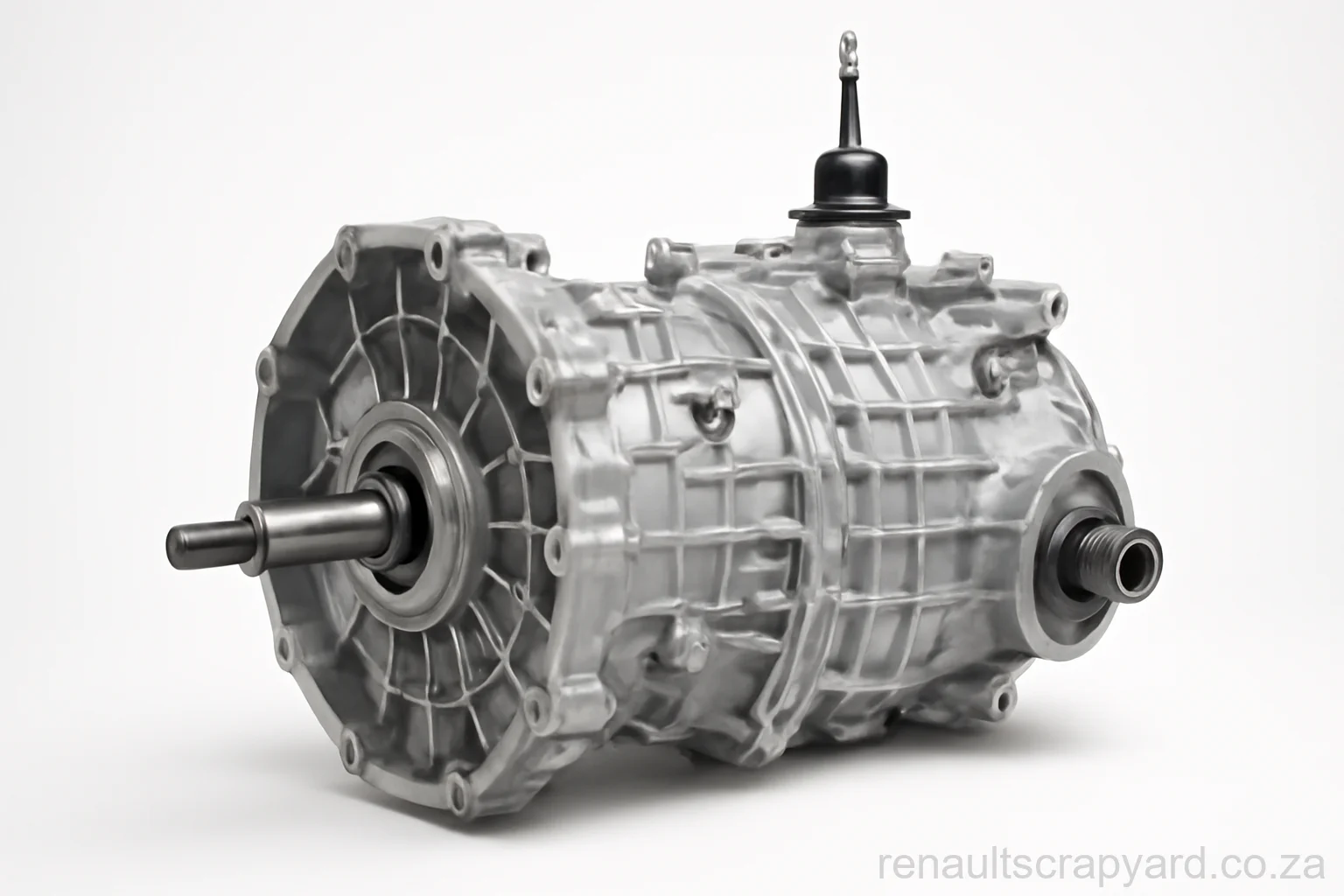

2. The DQ200, 7-Speed Dry Clutch (0AM)
The DQ200 (VW code 0AM) is a 7-speed dry dual-clutch rated at 250 Nm of maximum input torque, and it is an exclusively front-wheel-drive gearbox. It is found in lower-powered, front-wheel-drive Audis such as smaller-engined A1 and A3 models.
Source: autoevolution, Volkswagen Group's DSG Gearbox Explained
Because the clutch is dry and the torque ceiling is low, the DQ200 is the most failure-prone of the three. The classic symptoms are clutch judder at low speed, jerky take-up, and, most expensively, mechatronic failure that throws the car into limp mode or flashes the gear display.


3. The DQ250, 6-Speed Wet Clutch (02E)
The DQ250 (VW code 02E) was the first production DSG, a 6-speed wet-clutch gearbox good for up to 400 Nm. Its oil-bath clutches make it far tougher than the DQ200, which is why it sits behind torquier transverse engines. In Audis it was adopted by the TT 3.2 quattro and is also found in models such as the A3.
Source: autoevolution, Volkswagen Group's DSG Gearbox Explained
The DQ250's weak point is again the mechatronic unit, a combined controller and hydraulic valve block. Symptoms include harsh or delayed shifts, warning lights and limp mode. Over high mileage the wet clutch packs also wear and begin to slip.
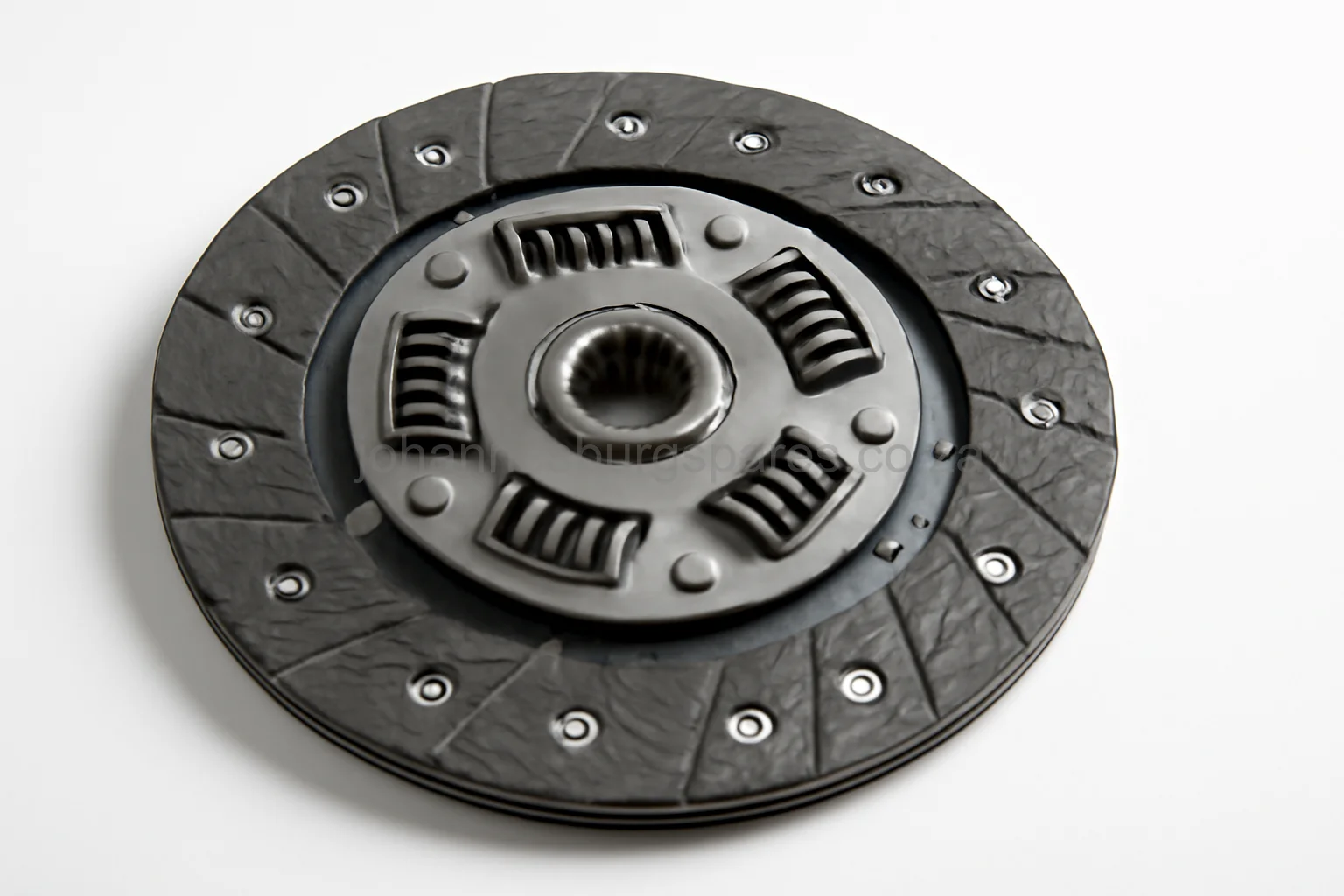

4. The DQ500, 7-Speed Wet Clutch (0BH/0BT)
The DQ500 (VW codes 0BH and 0BT) is a heavier-duty 7-speed wet-clutch DSG for high-torque transverse applications. autoevolution names the five-cylinder turbo Audi RS 3 among its notable applications.
Source: autoevolution, Volkswagen Group's DSG Gearbox Explained
The DQ500 is a tougher box, but it is not immune. Clutch wear and mechatronic faults still occur, and replacement units cost more because the box is scarcer and higher-spec. It shares the same golden rule as the DQ250: keep the fluid fresh.


5. Which Audi Has Which DSG?
Engine, torque output and drivetrain determine the gearbox. Use this as a starting point, then confirm by the gearbox code on the unit or via your VIN before buying.
| Audi Model / Engine | Likely Gearbox | Type | Max Input Torque |
|---|---|---|---|
| Smaller-engined front-wheel-drive A1 / A3 | DQ200 (0AM) | 7-spd dry | 250 Nm |
| Torquier transverse models such as the A3 and TT | DQ250 (02E) | 6-spd wet | up to 400 Nm |
| High-torque transverse models such as the RS 3 | DQ500 (0BH/0BT) | 7-spd wet | higher-torque unit |
| Longitudinal A4, A5, A6, A7 and Q5 | Longitudinal S tronic (e.g. DL501) or tiptronic | 7-spd dual-clutch or torque-converter auto | varies |
Source: autoevolution, Volkswagen Group's DSG Gearbox Explained
A critical buying note: DSG units are not interchangeable across these families. Always match the gearbox code to your vehicle, because the mechatronic must also suit the car. We can verify compatibility from your VIN, see the Audi parts contact page.
6. Longitudinal Audis: S tronic or Tiptronic
If you drive a longitudinal-engine Audi such as the A4, A5, A6, A7 or Q5, you do not have one of the transverse DQ-family boxes above. According to autoevolution, Audi developed a separate longitudinal S tronic dual-clutch for the A4, A5, A6, A7 and Q5, starting with the DL501 in 2008 on the first-generation Q5, which was also offered with six- and eight-speed tiptronic gearboxes. In Audi language, tiptronic means a conventional torque-converter automatic, with no dual clutch.
Source: autoevolution, Volkswagen Group's DSG Gearbox Explained Source: Audizine, ZF 8HP vs S tronic DSG
The takeaway: do not assume your Audi has a transverse DSG just because it is automatic. Confirm whether you have a transverse DSG, a longitudinal S tronic or a tiptronic before sourcing a replacement, because the parts and prices are completely separate. Browse all Audi gearboxes for sale and we will point you to the right unit.


7. Common DSG Problems and Symptoms
Across the DSG families, the failure modes cluster into two areas: the mechatronic and the clutch packs. Catch them early and you may only need a mechatronic, not a whole box.
- Jerky or hesitant shifts, especially from a standstill or at low speed; classic DQ200 dry-clutch judder.
- Limp mode / flashing gear display, the car drops to one or two gears; often a mechatronic fault.
- Delayed engagement, a pause before drive engages.
- Clunks, whining or burning smell, which can point to worn clutch packs or low or old fluid.
- Warning lights and stored fault codes from the mechatronic.
Many "gearbox failures" are actually mechatronic faults, which are cheaper to fix than a full box. A specialist scan of the stored codes will tell you whether you need a mechatronic, a clutch pack, or a complete unit before you spend money on parts.


8. DSG Service Intervals, The Cheapest Insurance
Fluid maintenance is a major factor in DSG longevity. According to Vasstechnik, citing an industry source listing genuine parts, VW Group specifies a fluid and filter change on the DQ250 every 40,000 miles (about 64,000 km), a fluid change on the DQ500 every 40,000 miles, and no service interval for the DQ200.
Source: Vasstechnik, When to Change Your DSG Fluid
The dry-clutch DQ200 is the confusing one. With no specified interval, opinions differ on whether and when to change its gear oil, so ask a gearbox specialist, especially if your car lives in stop-start traffic. A fluid service is far cheaper than a replacement mechatronic.
Source: Quora, Best time to change DQ200 DSG oil

9. Repair vs Replace vs Used Unit
When a DSG plays up, you have three routes: fix just the mechatronic, replace clutch packs, or fit a complete used gearbox. Our own price guide gives these indicative figures (not quotes; prices vary by condition, mileage and supplier):
| Option | Our Indicative Price |
|---|---|
| Used DQ200 or DQ250 mechatronic unit | R9,500 – R12,500 |
| Used DSG / S tronic gearbox (most common units, average) | R8,000 – R18,000 |
For common models a tested used unit is usually the economical choice; see Audi gearboxes for sale for the price range by model.


10. Buying a Used DSG Safely
A used DSG only saves money if it is the right unit and a tested one. Before you buy, work through this checklist:
- Match the gearbox code (for example 0AM, 02E, 0BH/0BT) to your car, not just the model name.
- Confirm it was tested.
- Check mileage and source, a low-km box from an accident-damaged donor is ideal.
- Ask about warranty, because warranty periods differ between suppliers; our used parts carry a 3-month limited warranty, as set out in our terms.
- Budget for coding, as the mechatronic may need adapting to your car after fitment.
Scrap yards that specialise in German cars understand these codes and pull units from the correct donor vehicles. We supply from our yard in Lenasia South and deliver across Gauteng and nationwide, so contact us for a VIN-matched DSG. For the related fluid-service know-how, the automatic transmission oil change guide is worth a read before you fit anything.
Related Reading
- Audi gearboxes for sale, tested DQ200, DQ250, DQ500 and Tiptronic units for every Audi
- How to change automatic transmission oil, DSG fluid-service procedure and intervals
- Audi A4 common problems, including gearbox faults on the A4
- Audi A3 common problems, DQ200 dry-clutch issues explained


