


Audi A4 Common Problems by Generation (B7, B8, B9): What to Check Before You Buy or Repair
The Audi A4 is a popular Audi, which is good news if something goes wrong - used parts are widely available and the known faults are well documented and fixable. Every generation has its quirks, but none of them are mysteries. The B7 (2005-2008), B8 (2008-2015) and B9 (2016-2024) each have a short list of predictable problems, and in almost every case the cheapest, fastest fix is a quality used part rather than a brand-new dealer component. This guide walks through each generation, what to check before you buy or repair, and where Audi A4 spares save you the most money.
Key Takeaways
| Question | Quick Answer |
|---|---|
| Which Audi A4 generation is most reliable? | The B9 (2016-2024) with the Gen 3 EA888 engine, whose redesigned piston rings addressed the oil consumption of the earlier Gen 2 engine. |
| What is the most common A4 engine problem? | Excessive oil consumption on B8 Gen 2 2.0 TFSI engines (piston ring design), and timing chain tensioner wear on early B7/B8 2.0 TFSI units. Both are well-known and fixable. |
| Are Audi A4 parts easy to find in SA? | Yes. Used Audi engines and major A4 components are widely available. |
| Is a used part safe for a major A4 repair? | A tested used engine, gearbox or component from a model-matched donor is far cheaper than new and just as reliable when the original Audi spec is correct. |
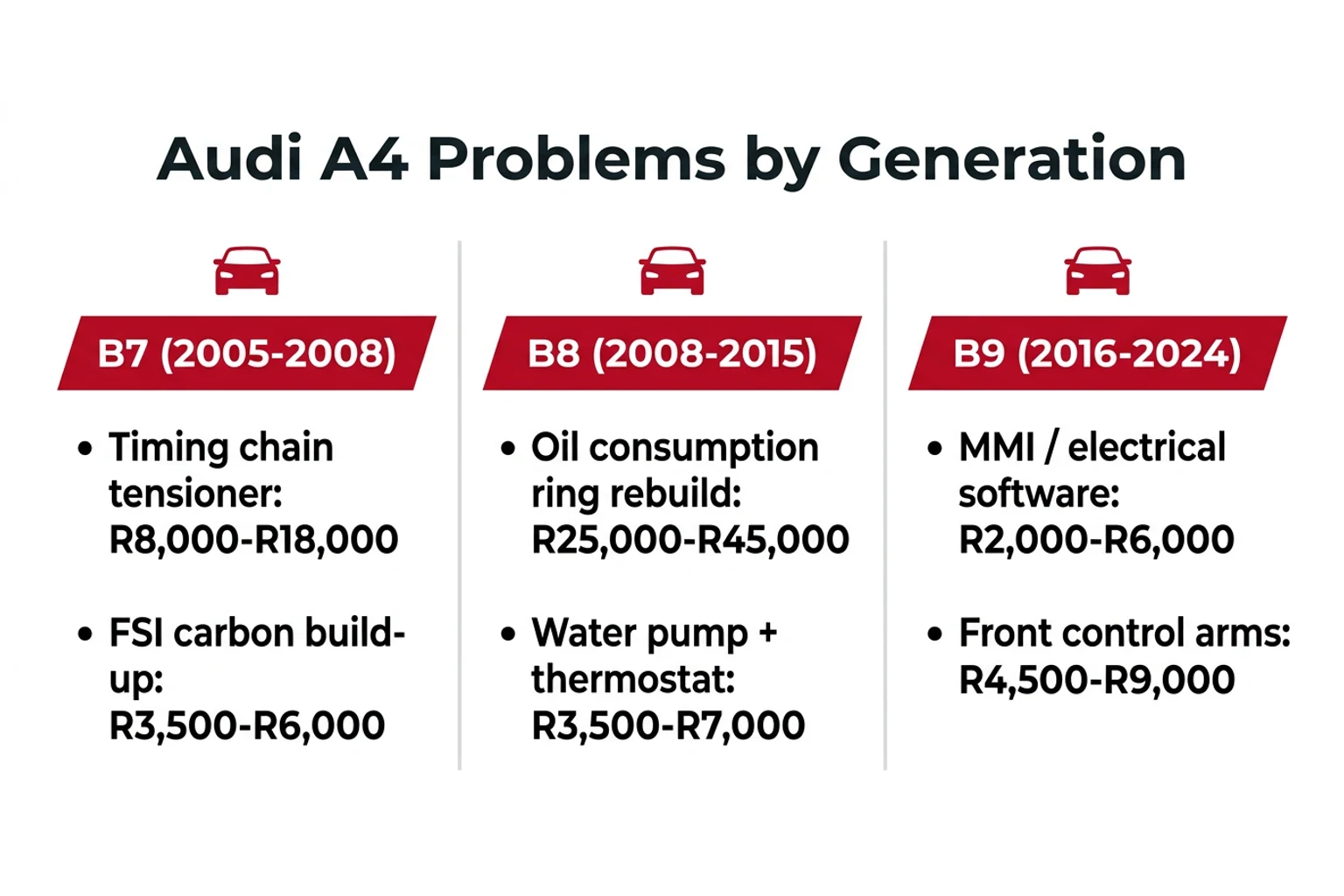
| How much does an A4 timing chain job cost in SA? | Indicatively R8,000-R18,000 for chain, guides and an updated tensioner (not a quote) - far less than the engine damage a snapped chain causes. |
| Where do I get a replacement A4 gearbox? | Tested used Multitronic and S tronic units are available through Audi gearboxes, usually a fraction of a rebuild or new unit. |
1. Audi A4 B7 (2005-2008): Timing Chain Tensioner Failure
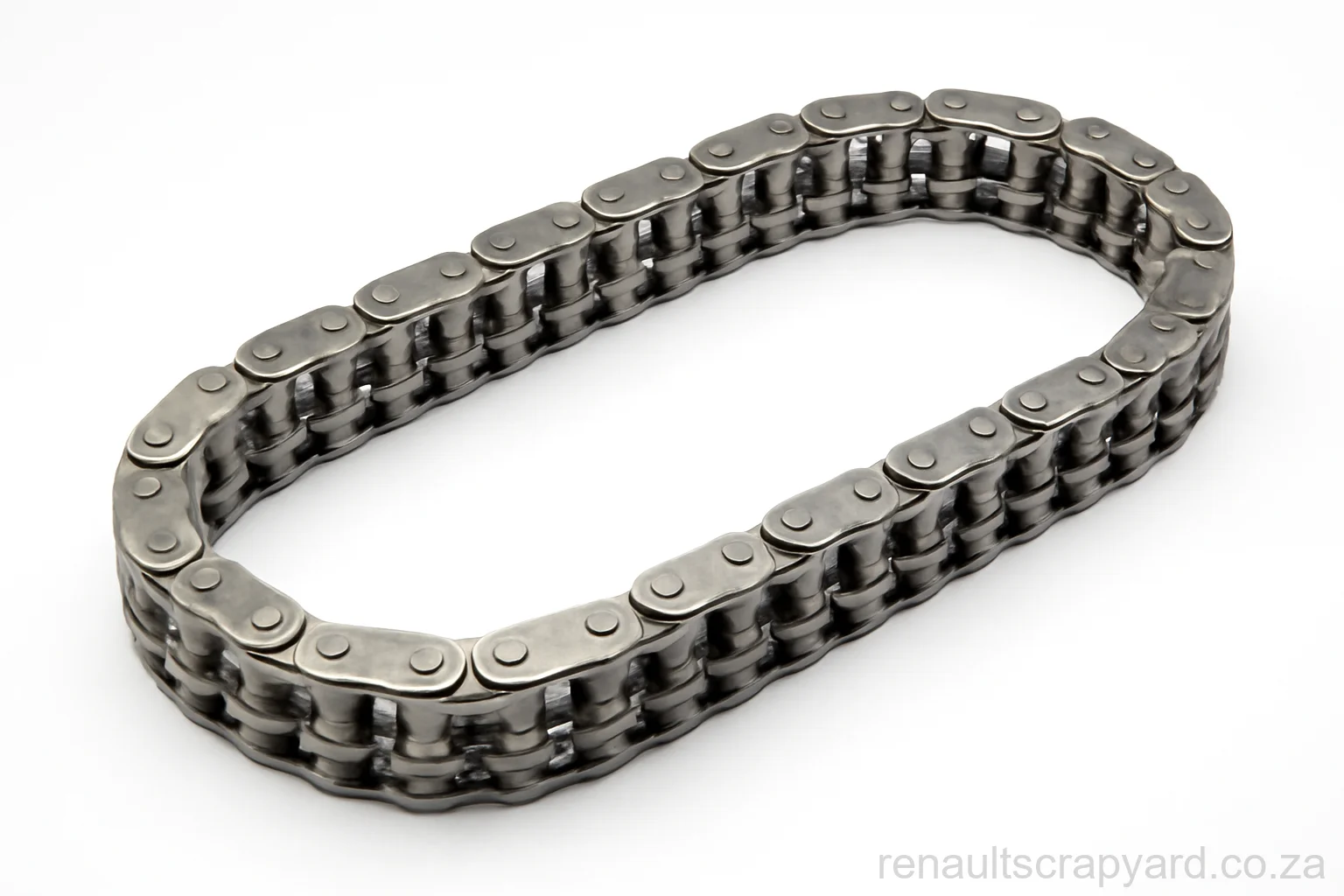
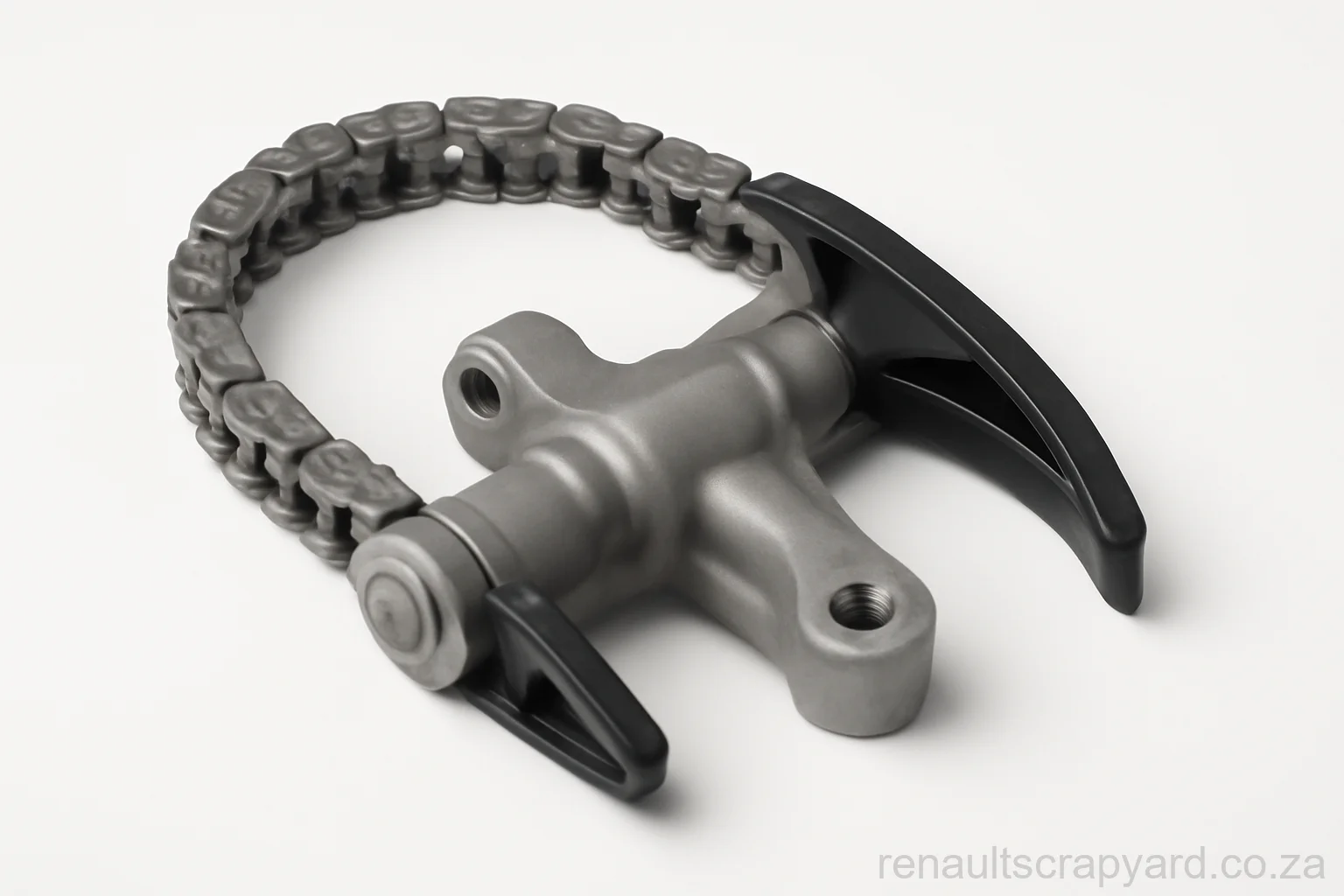
The B7 generation's signature fault is the cam chain tensioner on the 2.0 TFSI engine. The early tensioners rely on a weak ratchet and hydraulic piston - the locking teeth can shear or the internal seal leaks down, so oil drains out while the car sits. On a cold start the chain runs loose for a moment, and you hear a distinctive rattle from the back of the engine.
Source: Audizine - B7 Timing Chain & Tensioner
Left alone, a stretched chain can jump timing and cause valve-to-piston contact - the kind of damage that turns a service item into a full engine job. Catching it early is everything.
What to check before you buy a B7:
- Listen for a rattle on cold start-up (worst in the first few seconds)
- Ask whether the updated tensioner has already been fitted
- On a scan, chain stretch shows as cam adaptation beyond -4 degrees
- Check service history for any chain or tensioner work
As an indicative range (not a quote), a chain, guides and updated tensioner job is around R8,000-R18,000 - a fraction of the cost of repairing a dropped valve. If the worst has already happened, a tested used long block or complete engine is usually the smart call.
2. Audi A4 B7: HPFP Cam Follower Wear and FSI Carbon Build-Up
Two more B7 faults are worth knowing. The first is the high-pressure fuel pump (HPFP) cam follower - the pump rides on a small coated follower, and once the coating wears through, the cam lobe grinds into bare metal. That throws a P2293 fuel-pressure fault and, if ignored, can score the camshaft itself. The follower is a cheap part and worth checking at every service.
Source: PistonHeads - B7 Cam Chain & Follower Source: Audizine - B7 2.0T Timing Mess
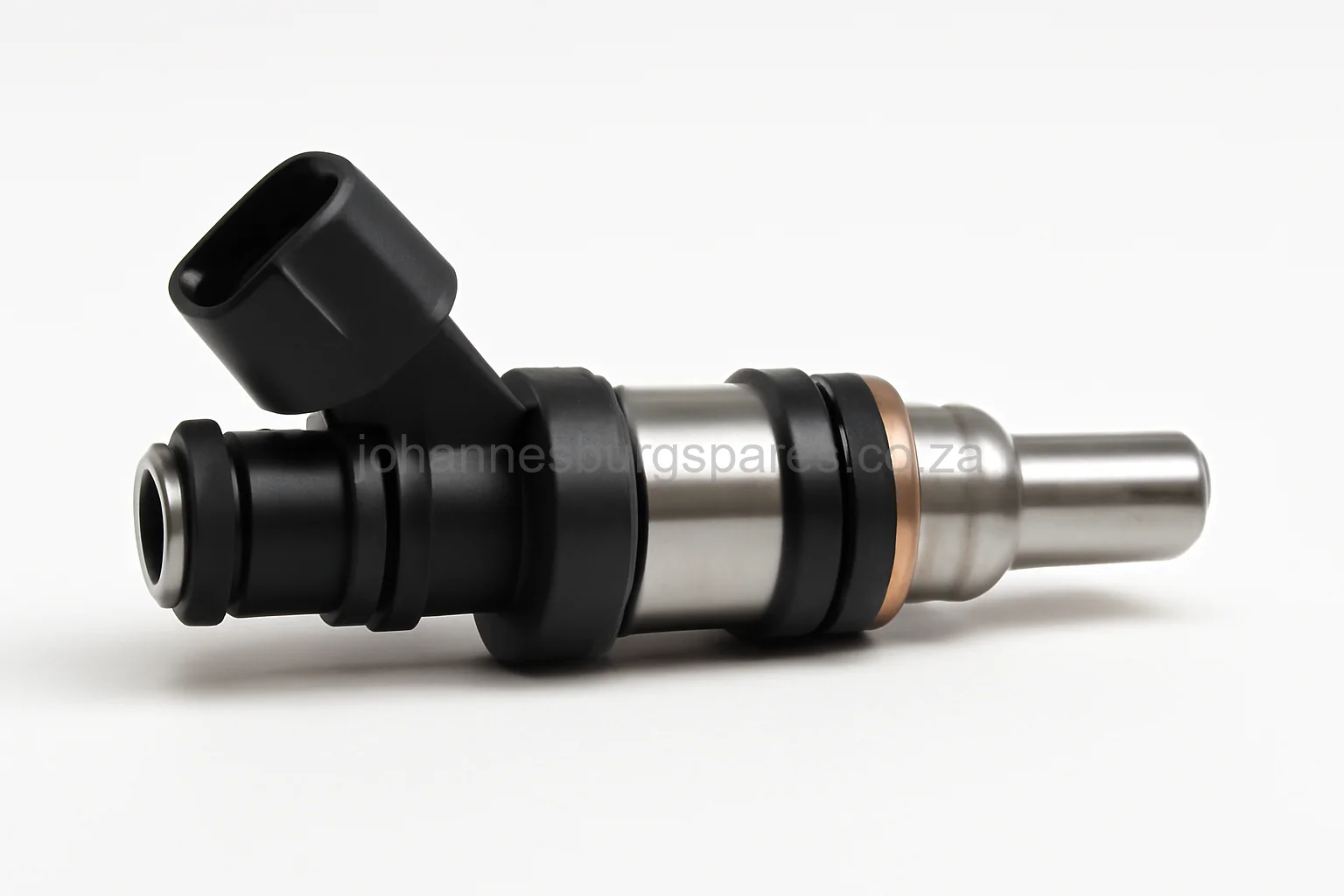
The second is carbon build-up. Like all direct-injection FSI engines, the B7 2.0 sprays fuel straight into the cylinder, so no fuel ever washes the back of the intake valves clean. Carbon bakes onto the valves over time, causing rough idle, misfires and power loss - often with no fault code pointing at the cause.
Source: Jalopnik - Direct Injection Carbon Buildup
The usual fix is walnut blasting - crushed walnut shell blasted through the intake ports to strip the carbon. Prices vary between workshops, so get a quote.
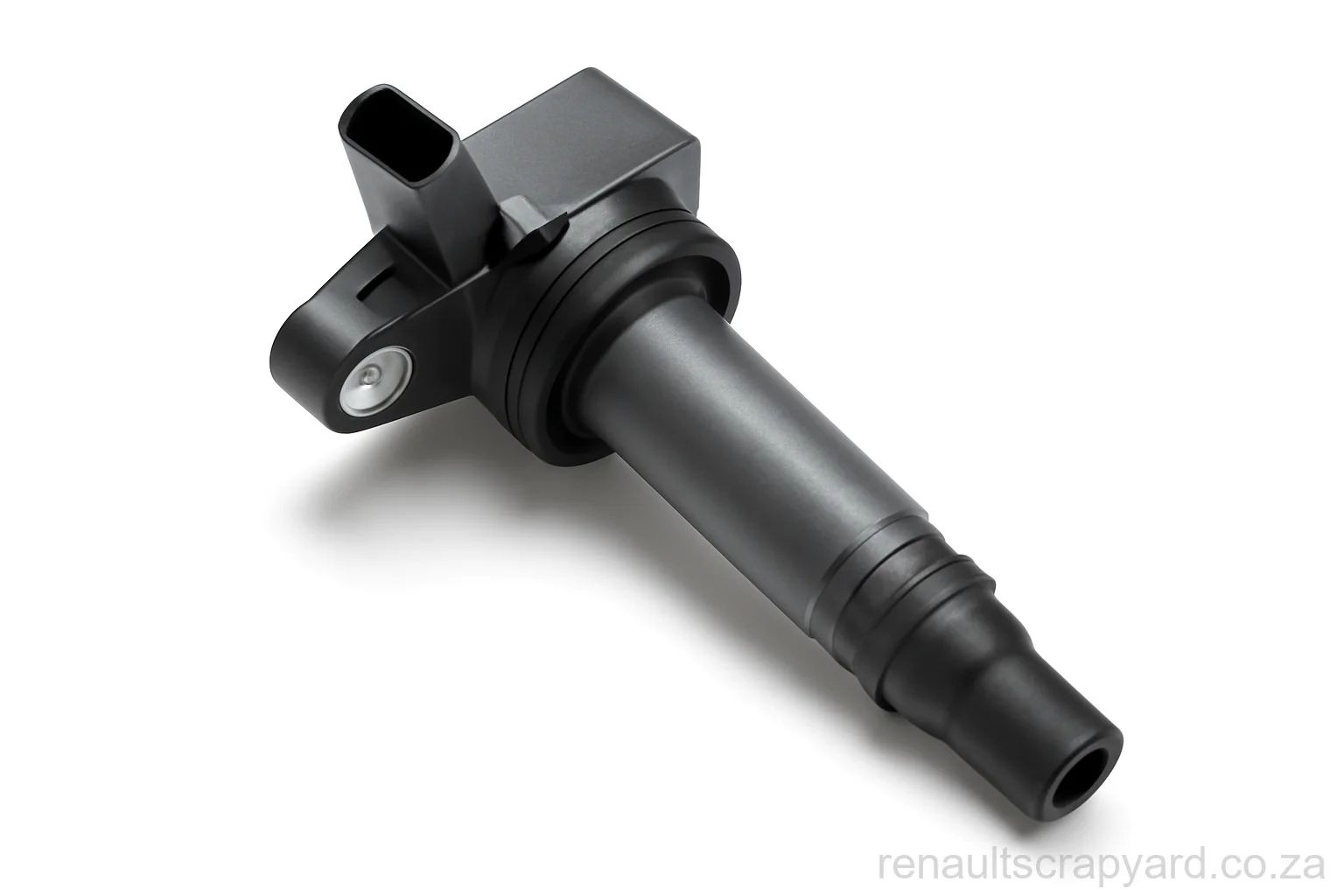
3. Audi A4 B8 (2008-2015): Excessive Oil Consumption
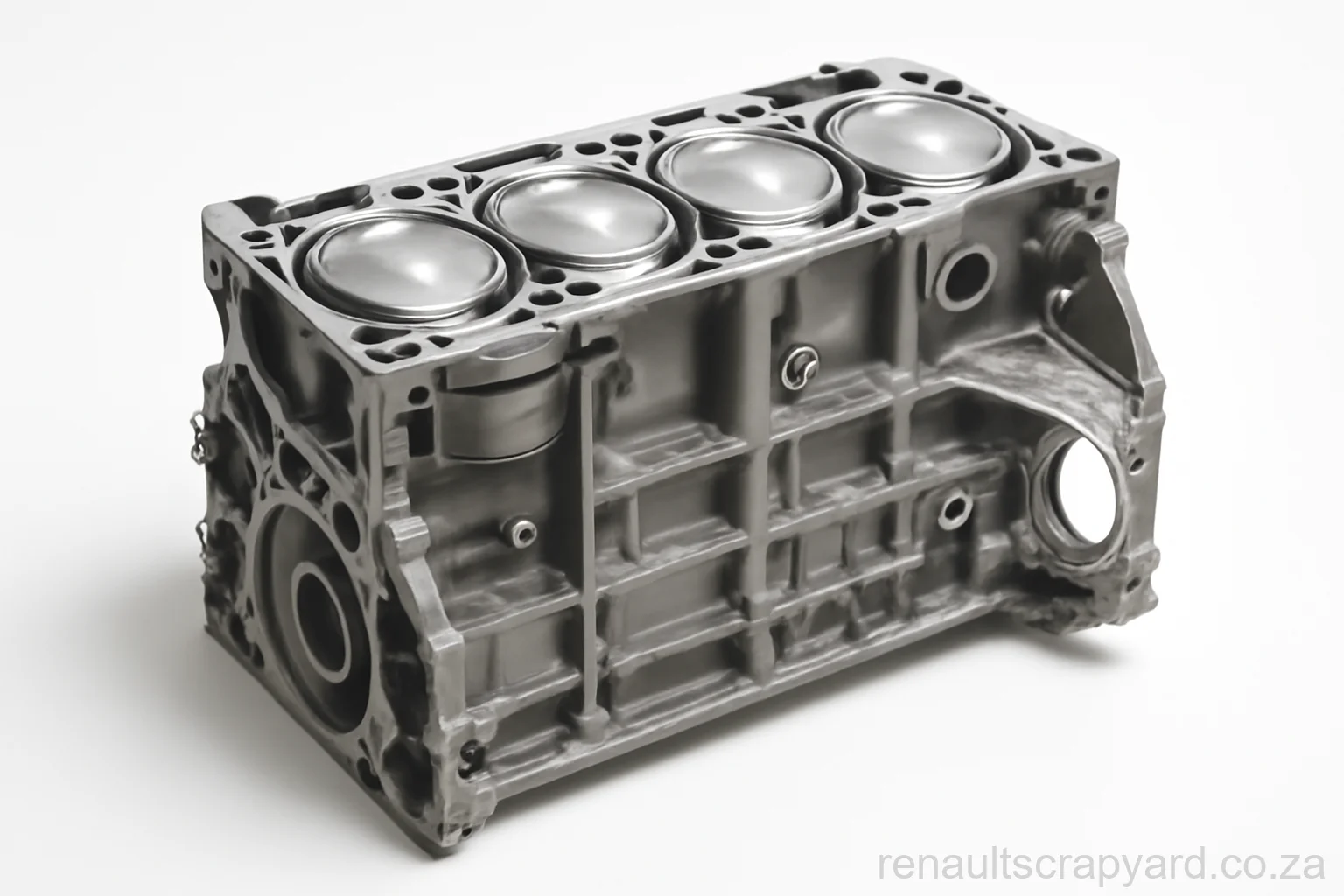
The B8's best-known problem is excessive oil consumption on the Gen 2 EA888 2.0 TFSI engine. CarBuzz notes that high oil consumption remained an issue on the Gen 2 engine, and that VW Group redesigned the piston rings for the Gen 3, which addressed it.
Source: CarBuzz - Most Reliable Audi Engine
In the US, a class-action lawsuit alleged that VW Group's 2.0-litre turbo four consumes oil because of defective piston rings. The proper fix is replacing the pistons and rings, which means pulling and stripping the engine.
Source: CarBuzz - VW/Audi 2.0L Oil-Burning Class Action
What to check before you buy a B8:
- Pull the dipstick and check the level against the service interval
- Ask the owner how often they top up oil between services
- Look for the redesigned piston rings (later updates fixed it)
- Watch for blue smoke on a cold start or hard acceleration
A piston-ring rebuild on a B8 2.0 TFSI is a big job because the engine has to come out, so get a quote. That is exactly the point where a tested used engine - or a Gen 3 unit on a later swap - often makes far more financial sense.
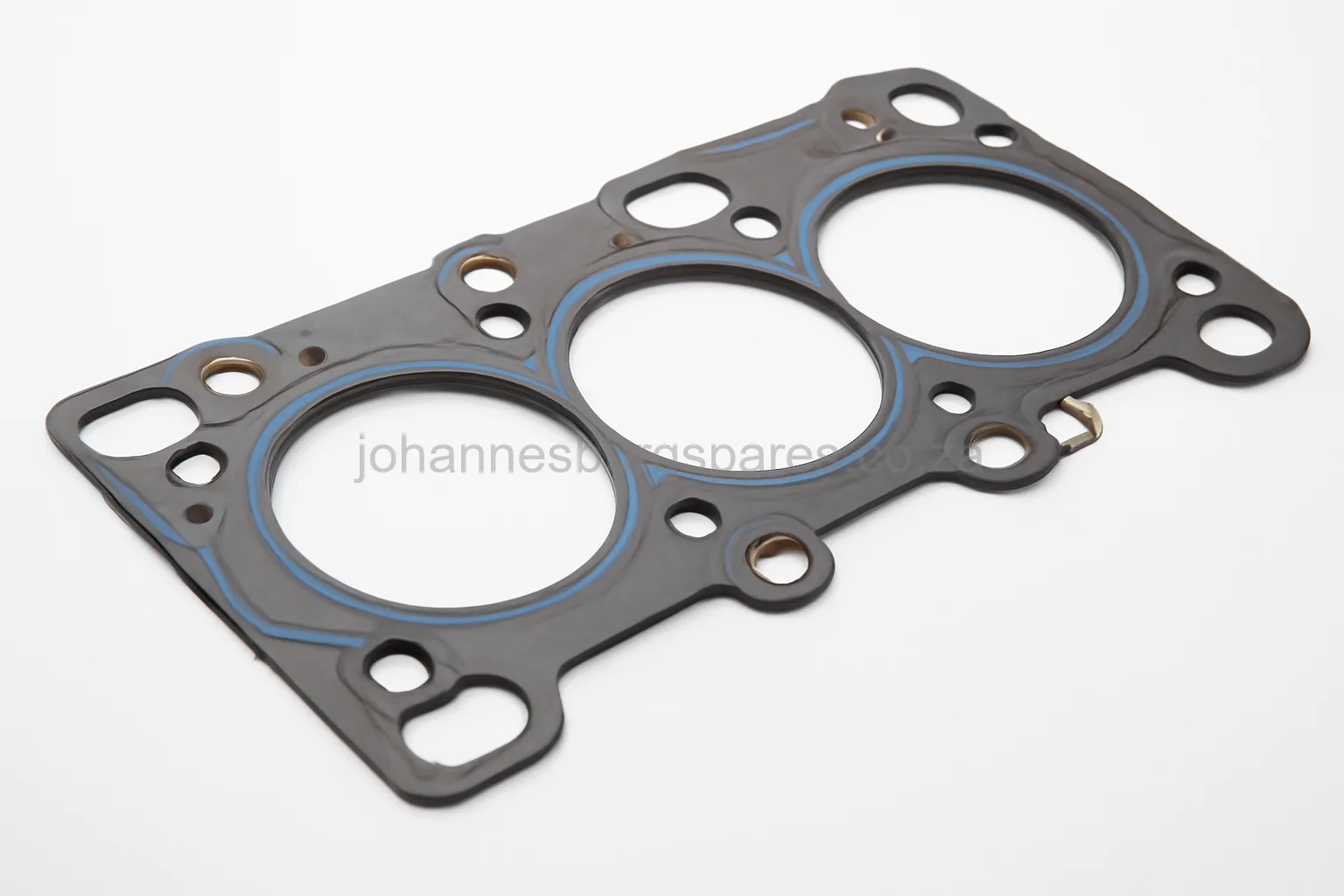
4. Audi A4 B8 and B9: Water Pump and Thermostat Leaks
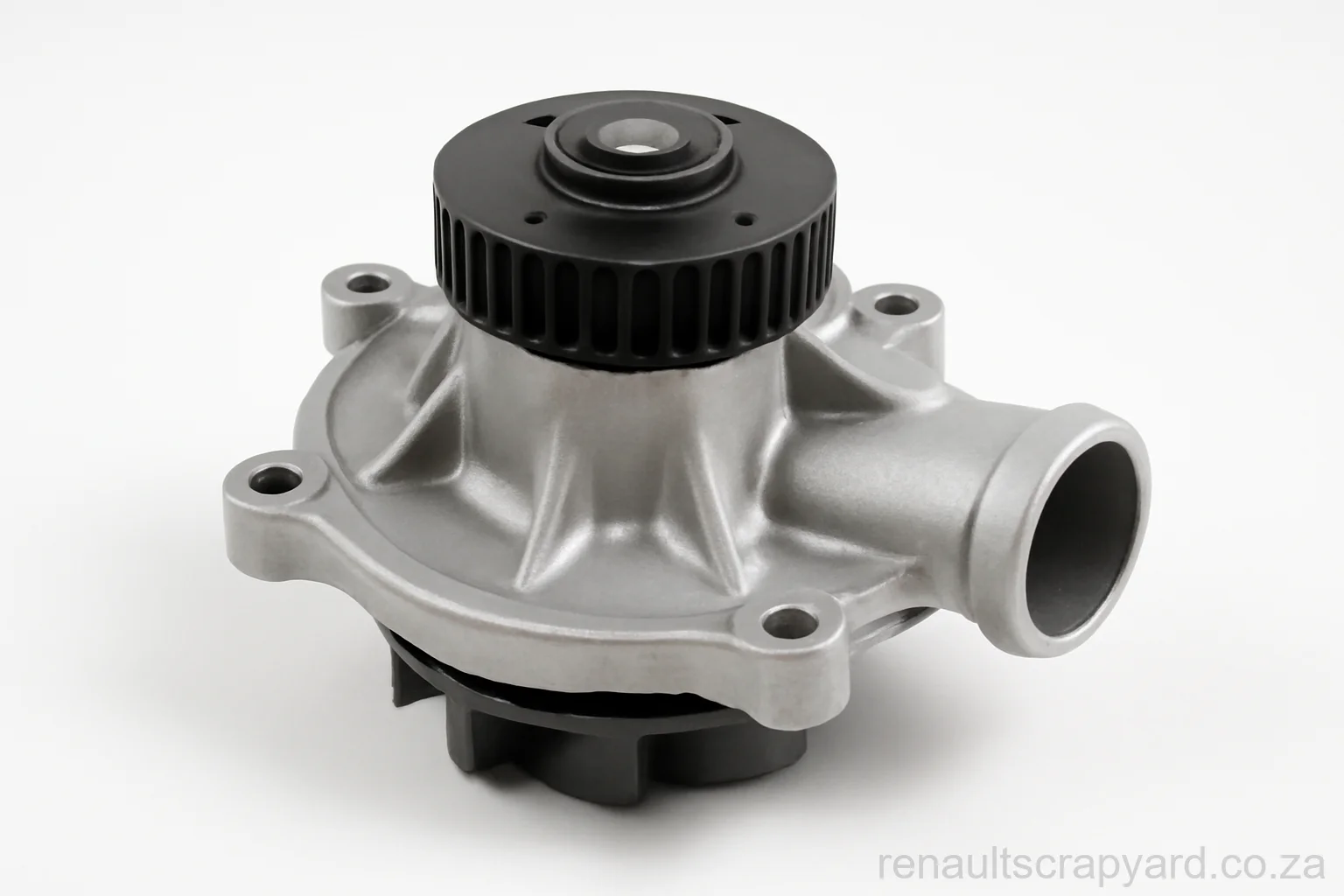
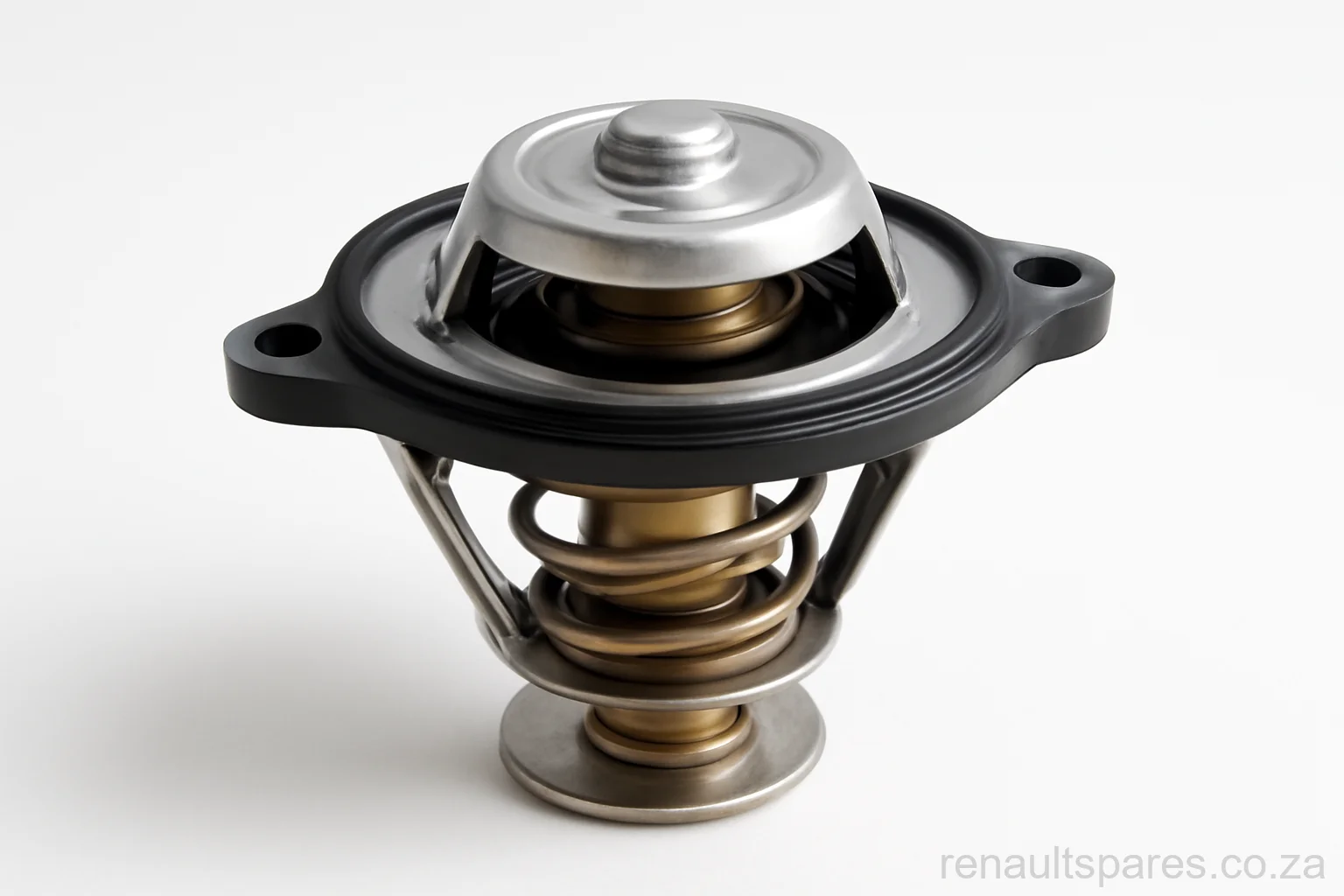
A coolant leak from the water pump or thermostat housing is a known EA888 weak point. CarBuzz says a sweet smell or low coolant warnings could be a sign of the thermostat and/or water pump failing, and that this was of particular concern on the Gen 3 engines.
Source: CarBuzz - Most Reliable Audi Engine
Ignore it and you risk overheating, which can damage the engine. The job is well understood, and it makes sense to replace the water pump and thermostat together since you are already in there.
Signs the pump or thermostat is going:
- Coolant smell or visible pink fluid under the front of the car
- Temperature gauge creeping up in traffic
- Low coolant warning that keeps coming back
- Heater blowing cold (thermostat stuck open)
5. Audi A4 B7 and B8: Multitronic CVT Transmission Trouble
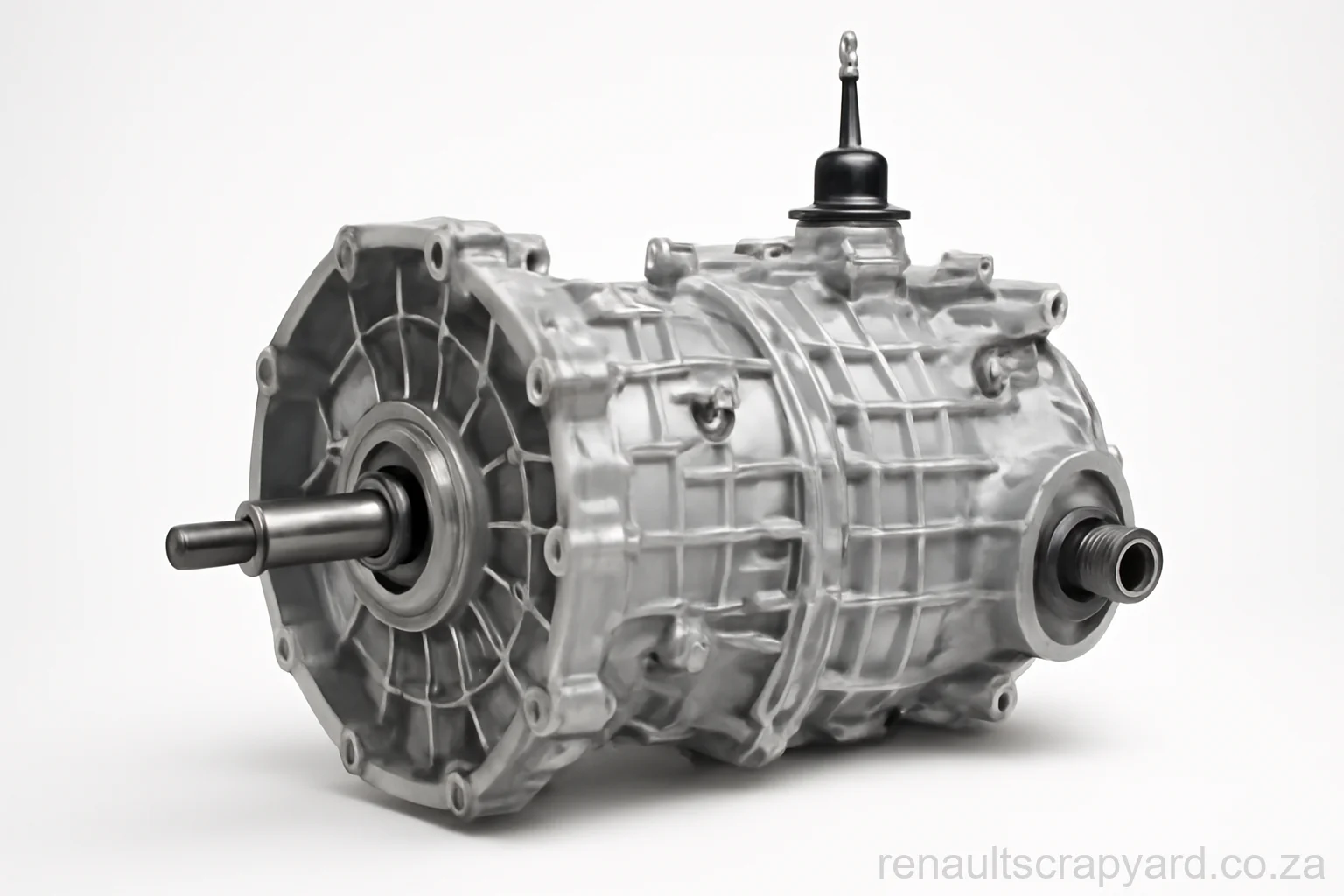
Many A4s were sold with the Multitronic CVT (continuously variable transmission), and the early versions have a poor reputation. The common failure is the friction plates burning out, often because the gearbox oil was never changed. Symptoms include jerking, hesitation on pull-away, a juddering hill start, or the car dropping into limp mode.
Source: AudiWorld - A4 B8 Multitronic CVT Problems Source: Audizine - Multitronic CVT Issues & Repairs
There is an important generation difference. The older B6 and B7 CVTs were the weakest - some needed complete replacement. The B8 Multitronic was improved with an 8-plate clutch pack instead of 7, and major failures on the B8 are noticeably rarer. Across all of them, the single biggest factor in lifespan is regular gearbox oil changes - a neglected, low-oil Multitronic is usually finished.
Source: PistonHeads - B7 Multitronic CVT Issues
Before you buy a CVT A4:
- Ask for proof of Multitronic oil changes (every ~60,000 km)
- Test drive for jerking, slipping or delayed take-up
- Watch for any warning lights or limp mode on the drive
If a Multitronic has failed, a tested used unit from a matching donor is far cheaper than a full rebuild. Browse available Audi gearboxes before committing to an expensive specialist rebuild.
6. Audi A4 B9 (2016-2024): Check the Electrics and Cooling
The B9 uses the Gen 3 EA888, so keep an eye on the water pump and thermostat (see section 4). On any used B9, check that the MMI infotainment system works properly and that the car starts reliably, and have any warning lights scanned before you buy. A faulty electronic module can often be replaced with a used part at well below dealer pricing.
7. Audi A4 B8 and B9: Front Suspension Control Arm Wear
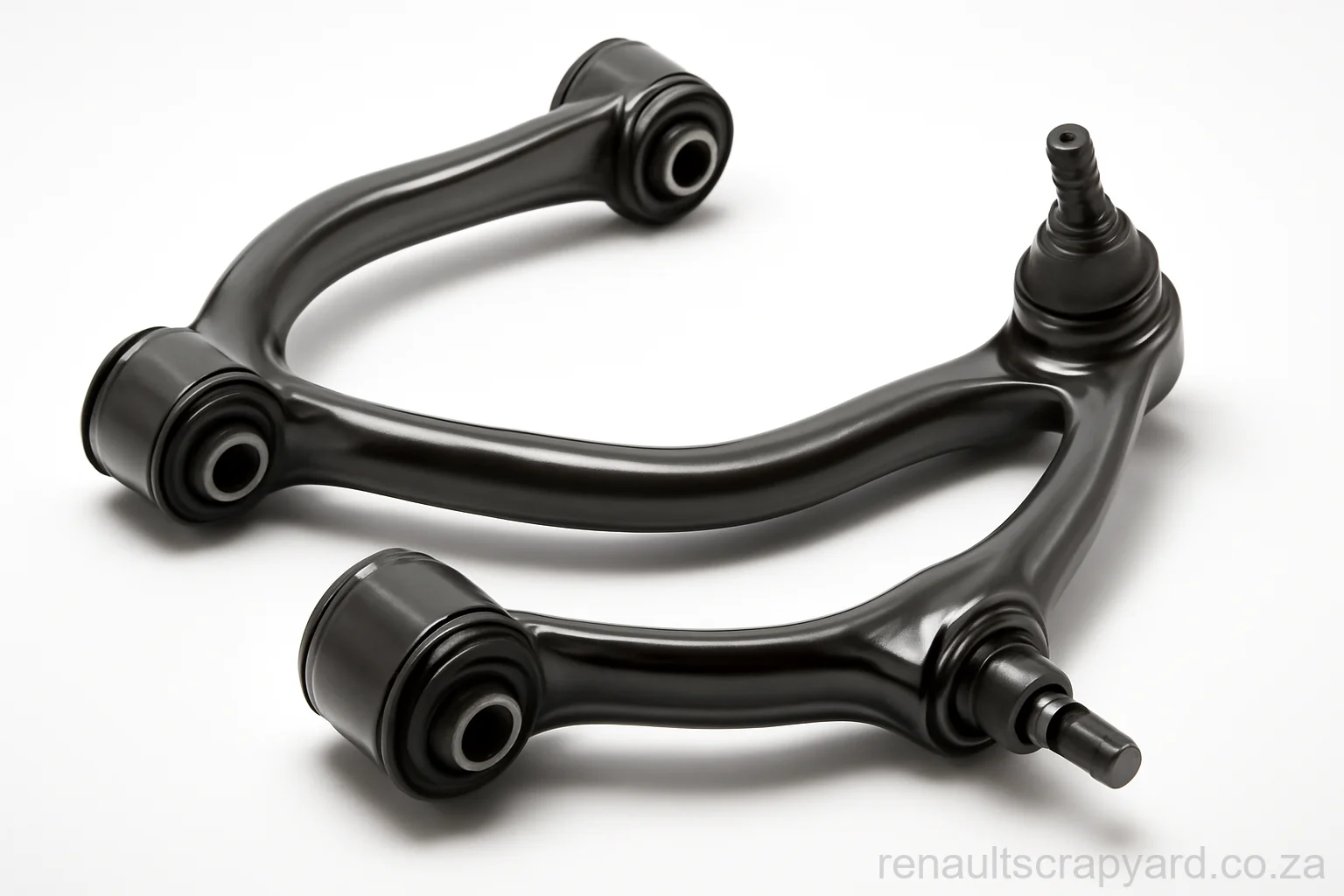
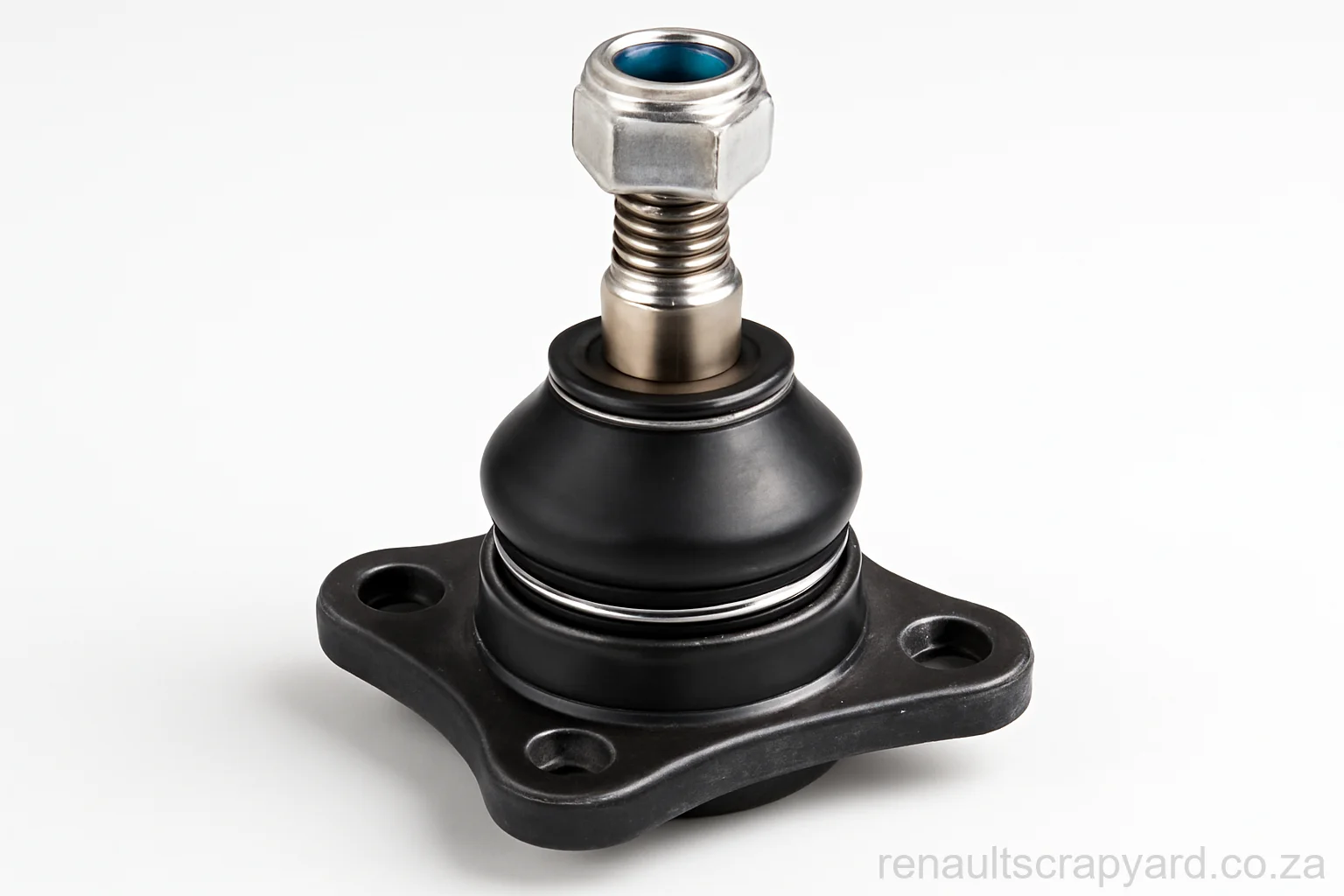
The A4's multi-link front suspension uses several control arms per side, and the bushings and ball joints inside them are a known wear item. The classic symptom is a clunk or knock over bumps and speed humps, sometimes with vague steering or uneven tyre wear.
Source: AudiWorld - A4 B8 Front-End Noise
A quick driveway test: grab the tyre top and bottom and rock it - obvious play or a clunk points to a tired ball joint. The arms are sold individually or as a full kit, and a wheel alignment is mandatory afterwards or you will chew through tyres.
Our suspension parts page lists used control arm kits at about R4,000-R12,000 (indicative, not a quote). Quality used arms keep the cost down on an older A4.
8. Which Audi A4 Generation Is the Most Reliable?
If reliability is your top priority, the B9 is the clear winner. Its Gen 3 EA888 engine was the redesign that cured the Gen 2 oil-consumption problem - thinner cylinder walls, a revised crankshaft and updated pistons and rings - and the S tronic dual-clutch gearbox is far more reliable than the old Multitronic CVT. Like the B8, it still needs an eye kept on the water pump and thermostat.
Source: CarBuzz - Most Reliable Audi Engine Source: ReDriven - Used Audi A4 B9 Review
The B8 is a good-value used car as long as you accept that the Gen 2 engine may need a piston-ring fix and the water pump needs watching. The B7 is the oldest and cheapest, with the timing chain tensioner and FSI carbon as its main watch-points - both completely manageable if you buy with eyes open. None of these are reasons to avoid an A4; they are simply the boxes to tick.
Here is the quick generation summary:
Indicative ranges only, not quotes; prices vary by condition, mileage, supplier and labour rate.
| Generation | Years | Watch For | Big-Ticket Fix |
|---|---|---|---|
| B7 | 2005-2008 | Timing chain tensioner, FSI carbon | Chain job, indicatively R8,000-R18,000 |
| B8 | 2008-2015 | Oil consumption, water pump, CVT | Ring rebuild or used engine - ask for a quote |
| B9 | 2016-2024 | Water pump, electrics | Ask for a quote |
9. Buying a Used A4 or Repairing With Used Parts
Because the A4 is a popular model, you are rarely short of options when something needs replacing. That is the real advantage of a popular model - whether you need a complete engine, a gearbox, a water pump or a set of control arms, a tested used part from a model-matched donor will almost always beat new-dealer pricing while keeping the original Audi specification.
The smart approach is simple: identify the generation and engine code, match the fault to this guide, then source the right part. For big-ticket items like engines and gearboxes, always confirm compatibility using the VIN or chassis number before buying, since similar-looking units can differ in ECU programming and bell-housing pattern.
Used-part wins on the A4:
- A failed Multitronic or S tronic costs far less to replace with a tested used unit than to rebuild
- A complete used engine often beats a B8 piston-ring rebuild on price
- Wear items like control arms, water pumps and thermostats are cheap used and easy to fit
- Electrical modules can be sourced used instead of paying dealer prices
Browse the full range of Audi A4 spares, or speak to the team about VIN-matched used Audi engines and Audi gearboxes for your exact model year and variant.
Related Reading
- Browse Audi A4 Spares - engines, gearboxes and body parts for every B7, B8 and B9 A4
- Used Audi Engines for Sale - tested TFSI, TDI and FSI engines with VIN-matched compatibility
- Audi DSG Gearbox Guide - how the DQ250, DQ500 and DQ200 dual-clutch units differ and what fails
- Audi A3 Common Problems - the A4's smaller sibling and its generation-by-generation faults


