


Audi DPF & EGR Problems on TDI Diesels: Symptoms, Cleaning vs Replacement & SA Costs
If your Audi TDI is throwing a glow-plug or engine warning light, going into limp mode, or smoking and losing power, the cause is very often the DPF (diesel particulate filter) or the EGR valve, the two emissions parts that take the most abuse on a diesel. The good news for South African owners is that many of these faults can be sorted for well below a dealer quote, either by cleaning the part, replacing it with a tested used unit, or changing your driving habits before it blocks again.
This guide explains what the DPF and EGR actually do, why they clog (short stop-start trips are the number one cause), the warning signs to catch early, and indicative costs for cleaning versus replacement in Rands. When you need a part, browse our exhaust and emissions spares for tested Audi components.
Key Takeaways
| Question | Quick Answer |
|---|---|
| What blocks an Audi DPF? | Mostly short, low-speed city trips, the exhaust never gets hot enough to burn off soot (regenerate). Long highway runs clear it. |
| Why does the EGR valve fail? | Carbon and soot build up over time and jam the valve, causing rough idle, power loss and warning lights. Browse exhaust and emissions parts. |
| Can a blocked DPF be cleaned? | Often yes, a forced regeneration or off-car clean is far cheaper than a new filter, if you catch it before it is fully baked. |
| Which Audis are affected? | Any TDI diesel can be affected, including the A3, A4, A6, Q3, Q5 and Q7 2.0 and 3.0 TDI. |
| DPF replacement cost in SA? | A new genuine DPF is the priciest fix; a clean or a tested used unit saves the most, see used Audi engines and parts. |
| How do I prevent it coming back? | Give the car regular longer runs at sustained speed so the filter can regenerate. |

1. What the DPF and EGR Actually Do
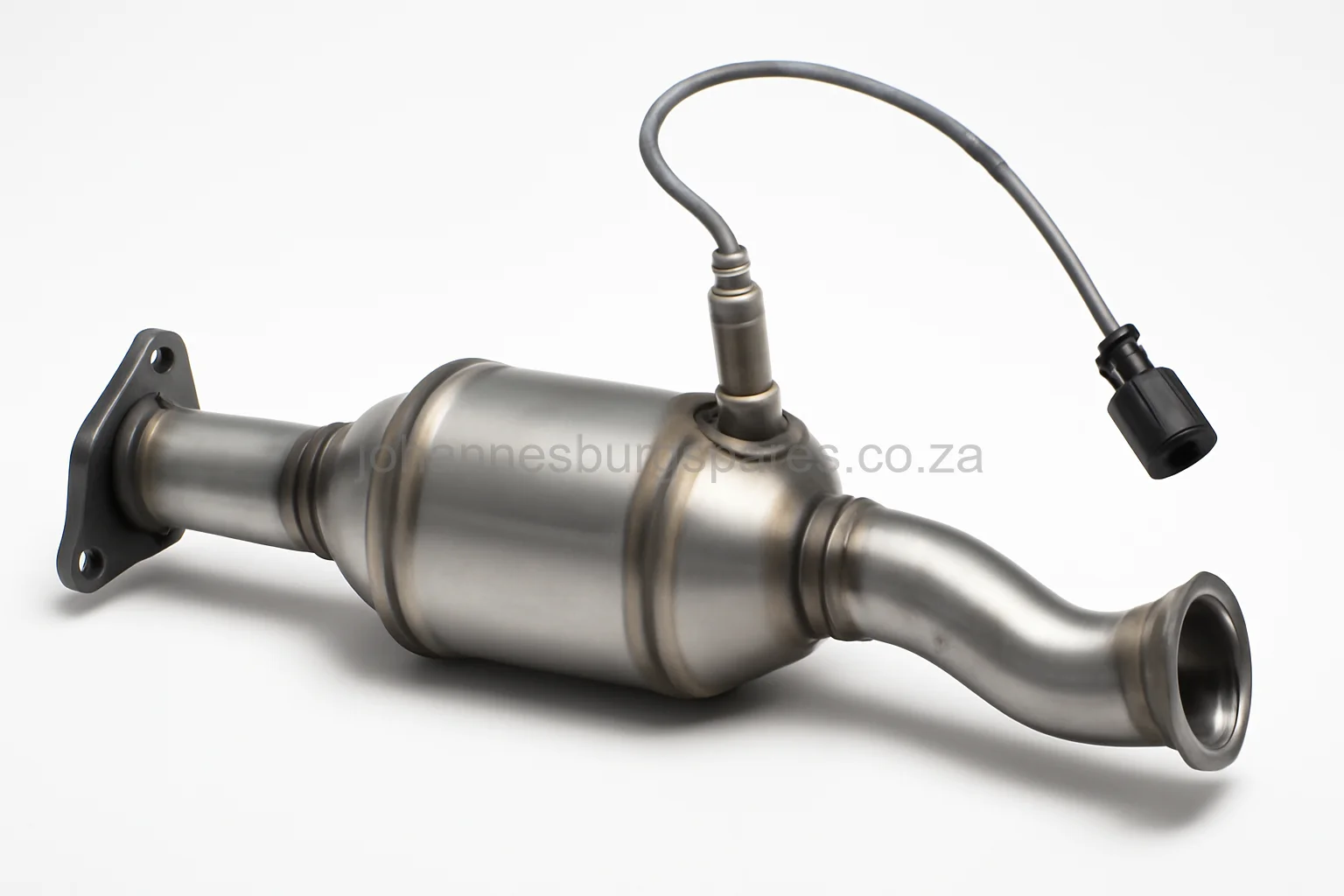
Modern Audi TDI diesels carry two emissions parts that cause most of the trouble. The DPF (diesel particulate filter) is a honeycomb device in the exhaust that traps soot, the fine particulate matter diesels produce.
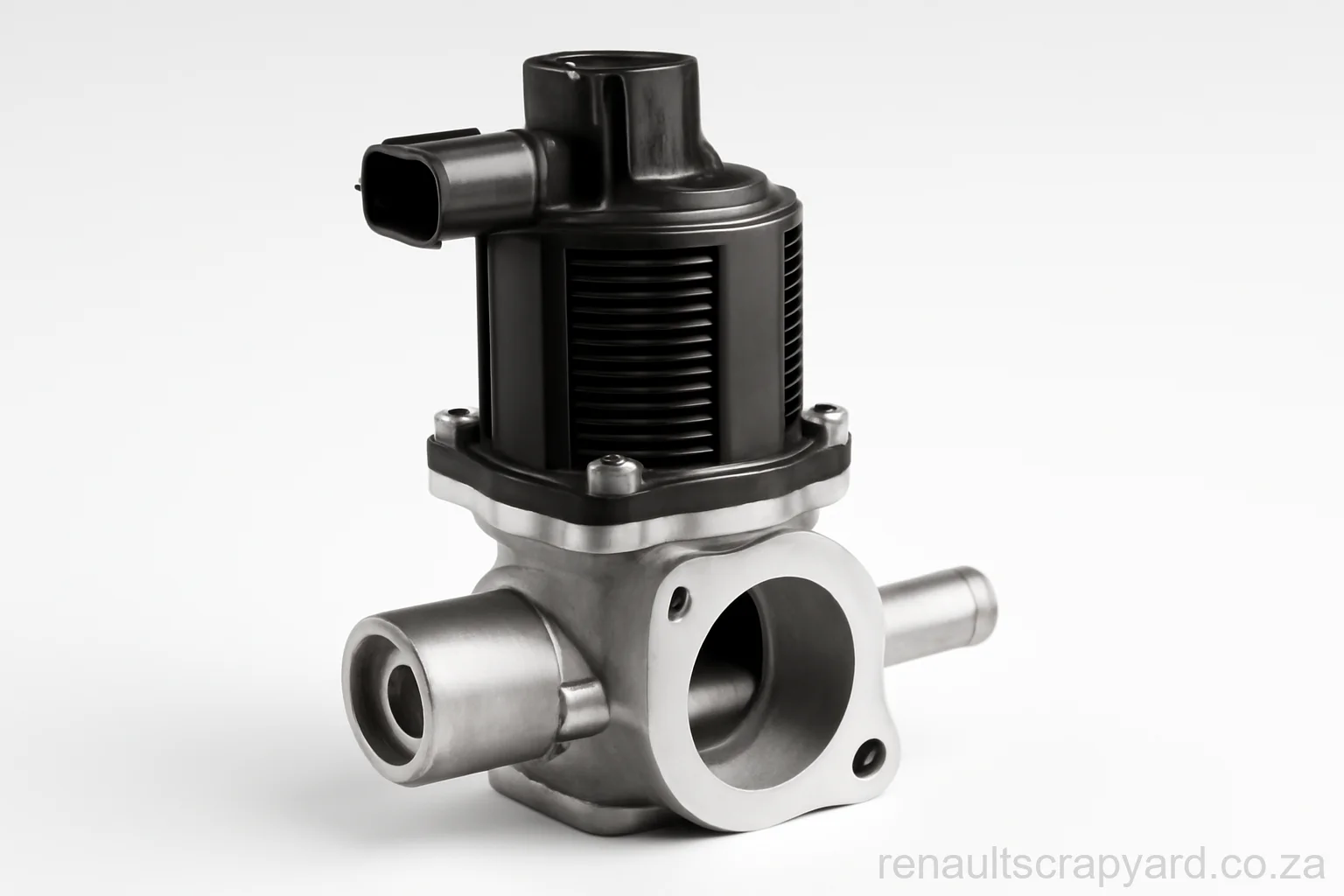
The EGR (exhaust gas recirculation) valve does a different job: it routes a portion of exhaust gas back into the cylinders. That displaces fresh air and lowers the combustion temperature, which cuts the formation of nitrogen oxides (NOx), the pollutant that forms when nitrogen and oxygen mix at high temperature.
2. Why the DPF Blocks, and How Regeneration Works
The DPF is designed to clean itself by burning off the trapped soot, a process called regeneration. There are two types. Passive regeneration happens naturally during normal driving when engine load and exhaust temperature are high enough to burn the soot, with no extra fuel needed.
Active regeneration kicks in when low loads and cool exhaust prevent natural burn-off: the car injects extra fuel to raise exhaust temperature high enough to combust the soot. Soot needs a very hot exhaust to burn off, which is why a cold, slow-driven car struggles to clear its filter.
The single biggest cause of a blocked DPF is short, low-speed urban driving, the exhaust never gets hot enough to regenerate. Cars used only in stop-start traffic need a periodic longer run at sustained speed to clean the filter out. Ignore the warning light long enough and the filter can block completely and need replacement.
3. Why the EGR Valve Clogs
The EGR valve sits in a hot, sooty stream of recirculated exhaust, so over time carbon deposits build up inside it and stop it operating properly. A valve stuck open or stuck closed both cause driveability problems, and carbon circulating back into the engine can increase wear.
Common symptoms of a faulty or clogged EGR valve include rough idling, hesitation or misfires from partial burns, power loss, and a check-engine light. On many Audi TDIs the EGR and DPF problems go hand in hand, a sticking EGR raises soot output, which then blocks the DPF faster.
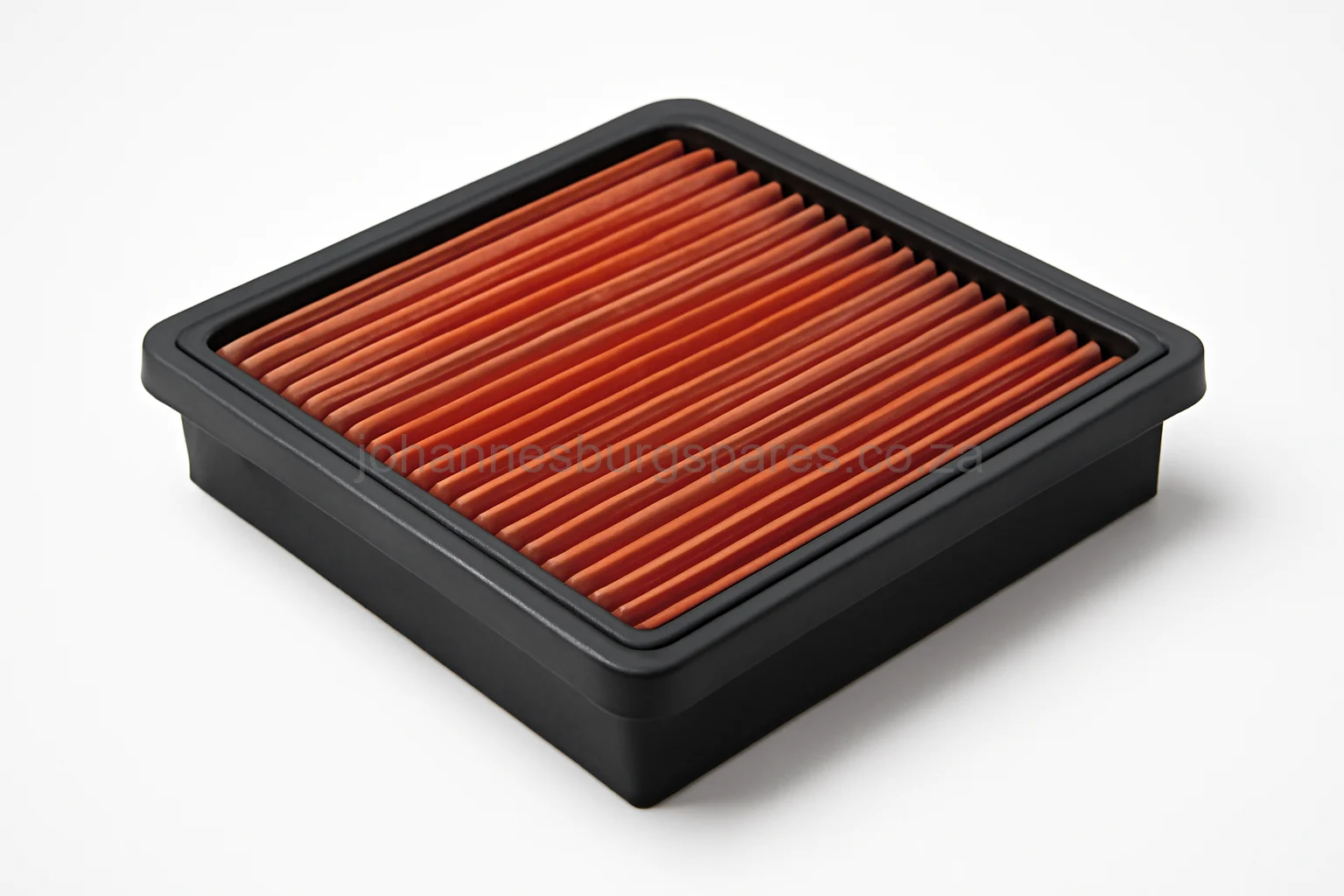
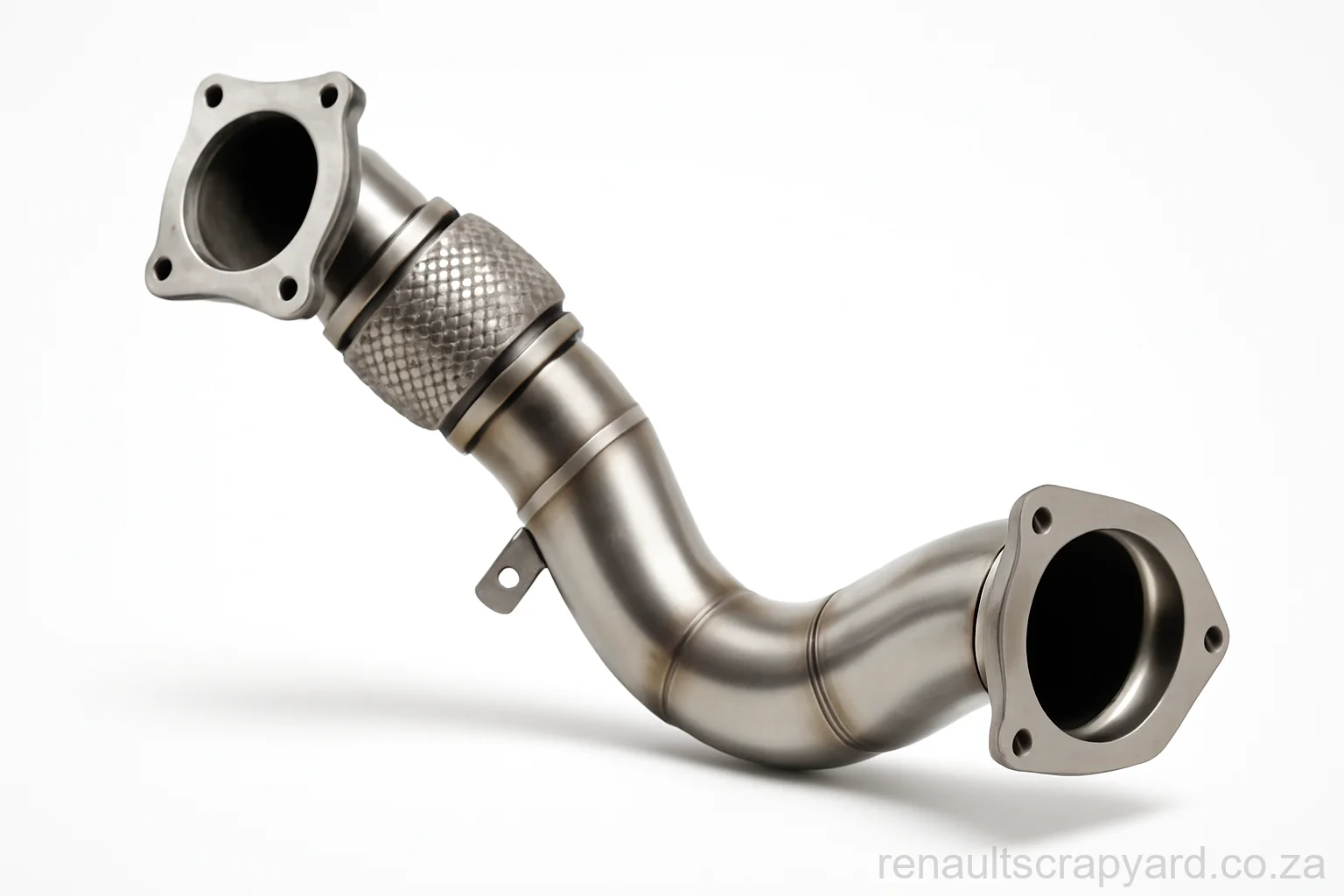
4. Which Audi TDI Models Are Affected?
Modern Audi TDI diesels carry both parts, so the faults can appear right across the range, including the 2.0 TDI A3, A4, A6 and Q3, and the 3.0 TDI A6, Q5 and Q7. Diesels driven mainly in city traffic suffer first, regardless of model.
It is also worth knowing the wider context. In the US, the EPA says VW Group, including Audi, sold diesel vehicles from model years 2009 to 2016 fitted with "defeat devices" in the form of software designed to cheat on federal emissions tests, with oxides of nitrogen (NOx) the main excess pollutant. The EPA lists the 2.0-litre diesel Audi A3 (2010–2015) among the affected models.
Source: US EPA, Learn About Volkswagen Violations


5. AdBlue and SCR, the Newer Layer
Newer Audi TDIs (broadly post-2014 Euro 6 cars) add a third emissions system: SCR (selective catalytic reduction), which injects AdBlue (a urea-based diesel exhaust fluid) into the exhaust to convert NOx into nitrogen and water.
If you own a newer TDI, an emissions warning may point to the AdBlue/SCR system (a faulty NOx sensor, dosing injector or AdBlue tank heater) rather than the DPF or EGR. The diagnosis route is the same: a proper fault-code scan tells you which part is actually at fault before you spend money.
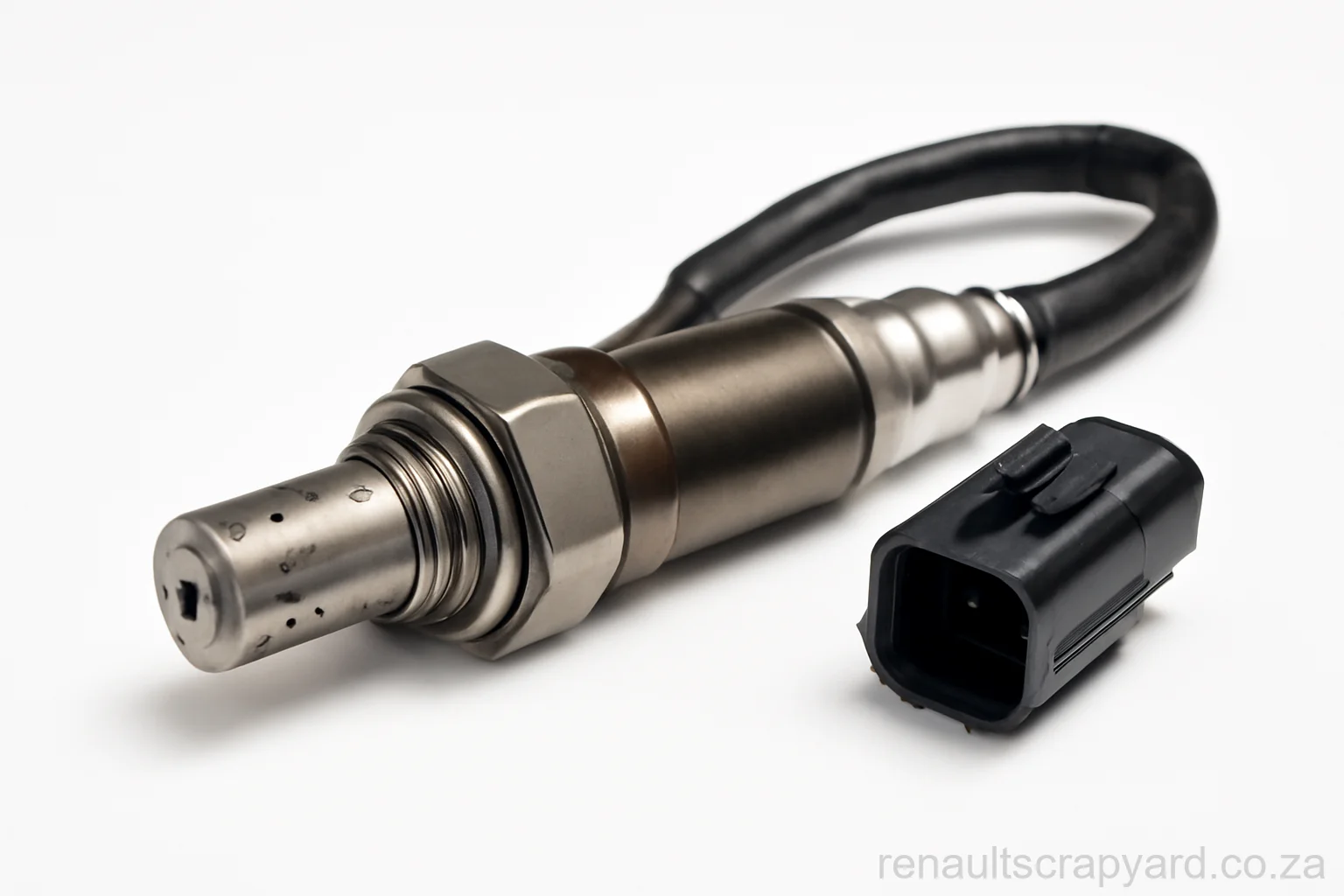
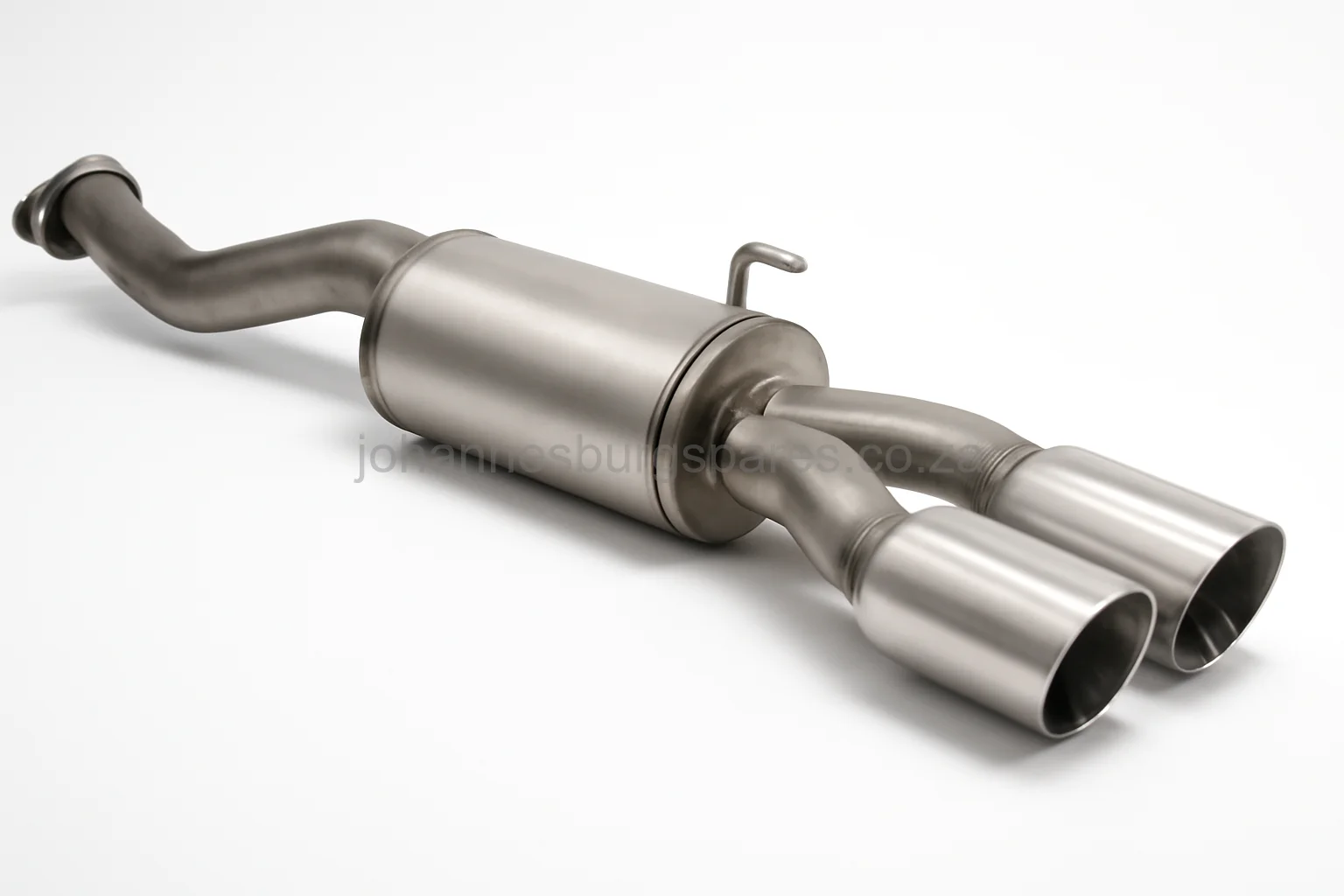
6. Cleaning vs Replacement, SA Cost Breakdown
The golden rule is: diagnose first, then choose the cheapest route that actually fixes it. A blocked DPF caught early can often be cleared with a forced regeneration or an off-car clean, far cheaper than a new filter. A carboned EGR can sometimes be cleaned rather than replaced. Only when a part is physically destroyed do you need a new or tested used unit.
By the Numbers
Indicative ranges only, not quotes; prices vary by condition, mileage, supplier and labour rate.
| Repair | Indicative SA Cost (parts and labour) |
|---|---|
| Forced DPF regeneration (workshop) | R1,000 – R3,000 |
| Off-car DPF clean / flush | R3,000 – R7,000 |
| EGR valve clean | R1,500 – R4,000 |
| Replacement EGR valve (tested used / aftermarket) | R3,000 – R9,000 |
| Replacement DPF (tested used / aftermarket) | R8,000 – R25,000 |
| New genuine DPF, fitted (dealer) | R30,000 – R60,000+ |
The pattern is clear: a clean or a tested used part saves tens of thousands of Rand versus a new dealer DPF. For common 2.0 TDI models, a quality used emissions part fitted by a competent workshop is usually the smart-money option, browse exhaust and emissions spares or used Audi engines if the damage runs deeper.
7. How to Prevent DPF and EGR Problems
Most DPF and EGR grief is preventable with how and what you drive:
- Take regular highway runs, sustained higher speed lets the DPF passively regenerate.
- Do not interrupt an active regeneration, if the car is regenerating (higher idle, hot exhaust smell), let it finish rather than switching off mid-cycle.
- Use the correct low-ash diesel oil and service on schedule, the wrong oil clogs the DPF faster.
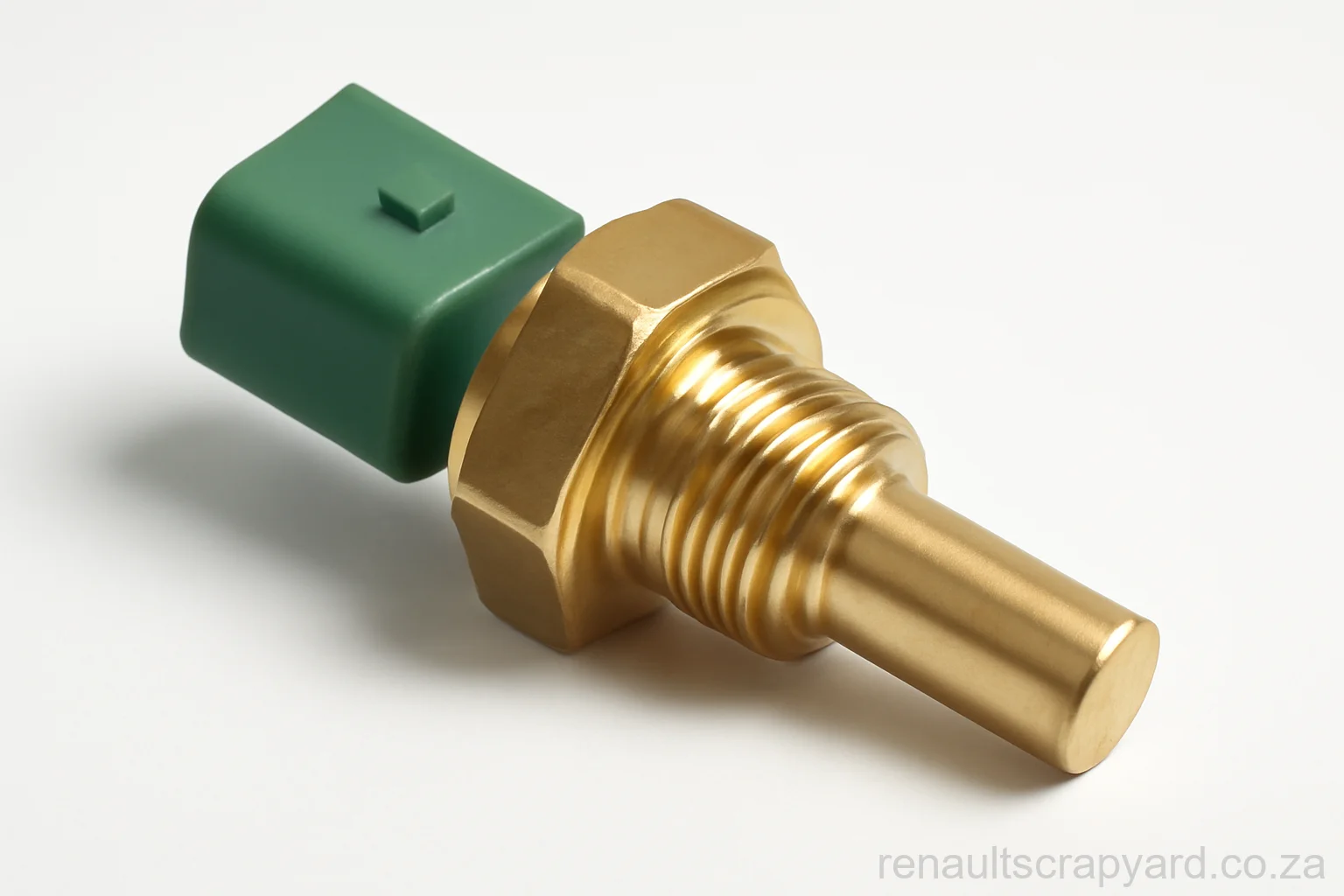
- Fix glow-plug and sensor faults promptly, a poor cold start dumps extra soot into the system.
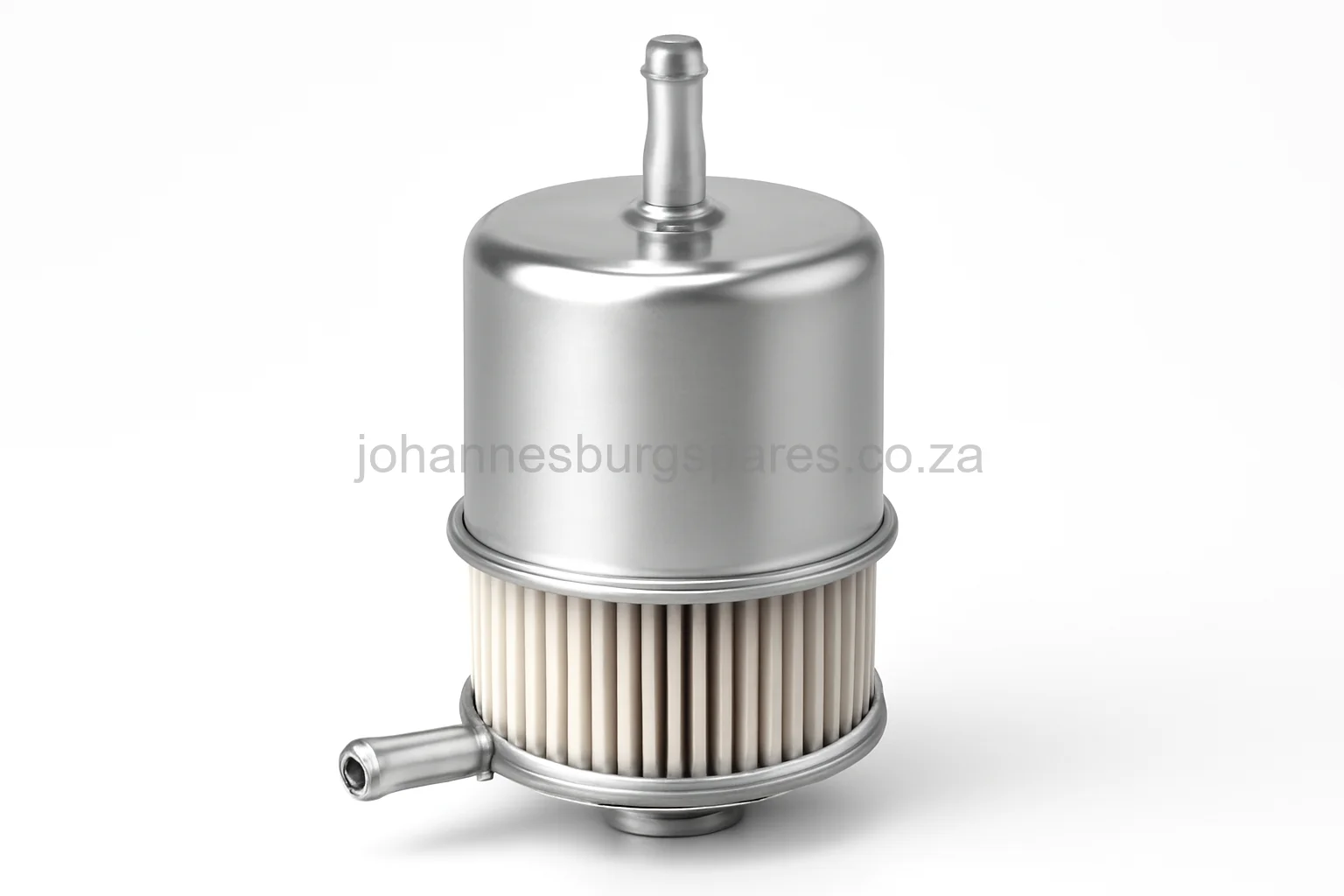
- Keep fuel quality up, dirty diesel and a tired fuel filter increase soot.
Following these habits is the cheapest insurance there is. If the part is already damaged, a clean or a tested used component beats a dealer replacement, and our team can help you match the right part to your VIN, see the contact page.
Related Reading
- Exhaust and emissions spares, tested DPFs, EGR valves, sensors and catalytic converters
- Used Audi engines for sale, complete tested TDI engines when the damage runs deep
- Audi A4 common problems, including the diesel DPF and EGR faults
- Audi A3 common problems, TDI emissions issues explained


