


Audi A3 Common Problems & Reliability Guide (8P, 8V, 8Y) for South African Owners
The Audi A3 is a popular Audi, which is good news if you own one: used parts are widely available, the faults are well documented across three generations, and much of what goes wrong is fixable with a good quality used component instead of a large dealer bill. This guide walks through the known problems of the 8P (2003–2012), 8V (2012–2020) and 8Y (2020–present) A3, and where a tested second-hand part makes the most sense.
Key Takeaways
| Question | Quick Answer |
|---|---|
| Which A3 generation is most reliable? | The later 8V with the Gen 3 EA888 engine, which got a new timing chain tensioner and redesigned piston rings. Browse Audi A3 spares for any generation. |
| What is the most expensive A3 fault? | Oil consumption on Gen 2 TFSI engines (piston and ring replacement) or DSG mechatronic failure. A tested used Audi engine or Audi gearbox often beats a rebuild. |
| Is the DSG gearbox reliable on the A3? | The dry-clutch DQ200 7-speed is the weak point; it suffers mechatronic and clutch wear. Used units are widely available. |
| Do A3 TFSI engines burn oil? | Gen 2 EA888 engines are known for it. The Gen 3 redesign addressed it. |
| Are A3 parts easy to find in SA? | Yes. Engines, gearboxes and panels are common at Audi A3 spares. |
| Should I buy used or new A3 parts? | For most major components, quality used parts cost far less than new, with original Audi fitment. Verify by engine code. |
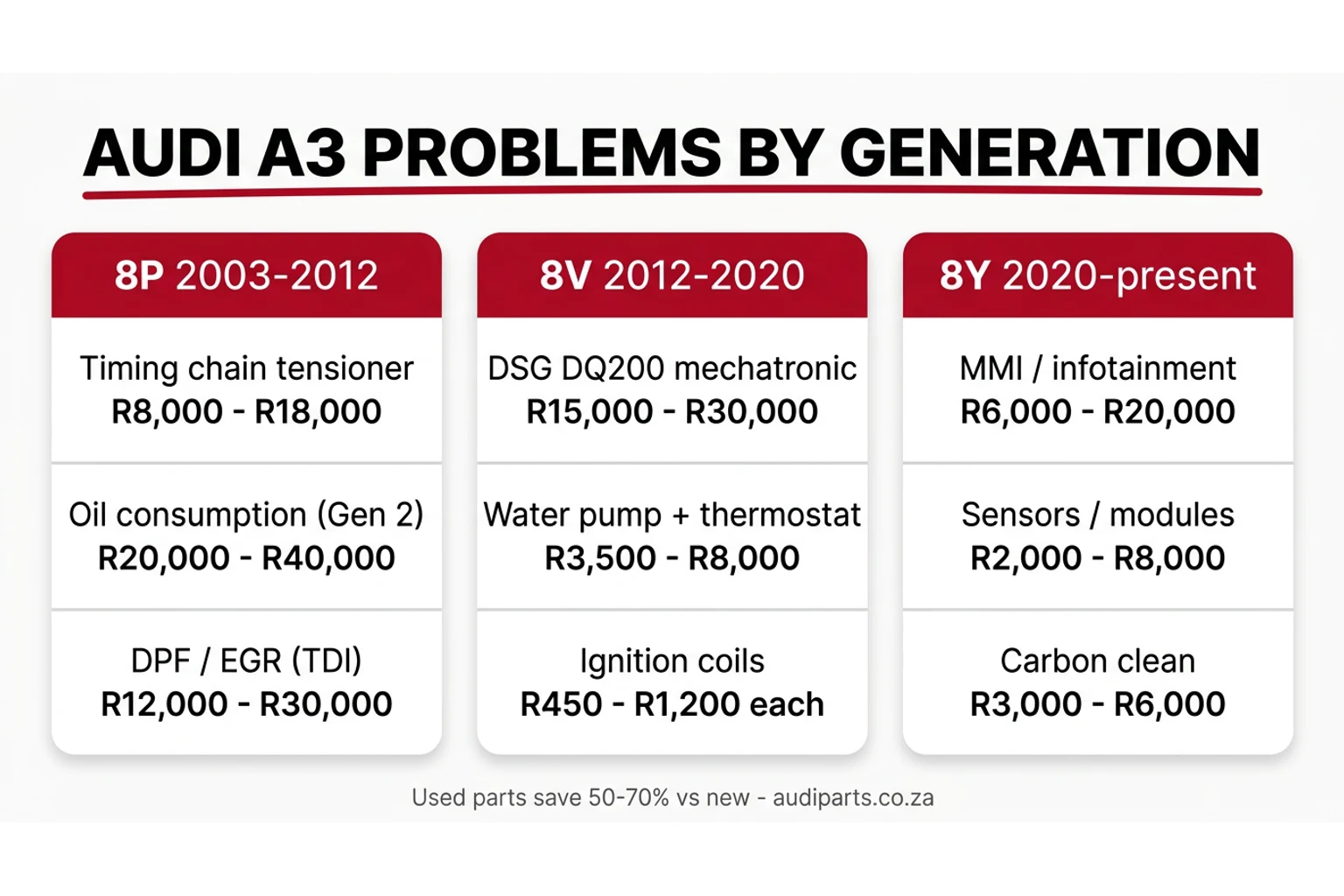
1. Timing Chain Tensioner Failure (Early TFSI)
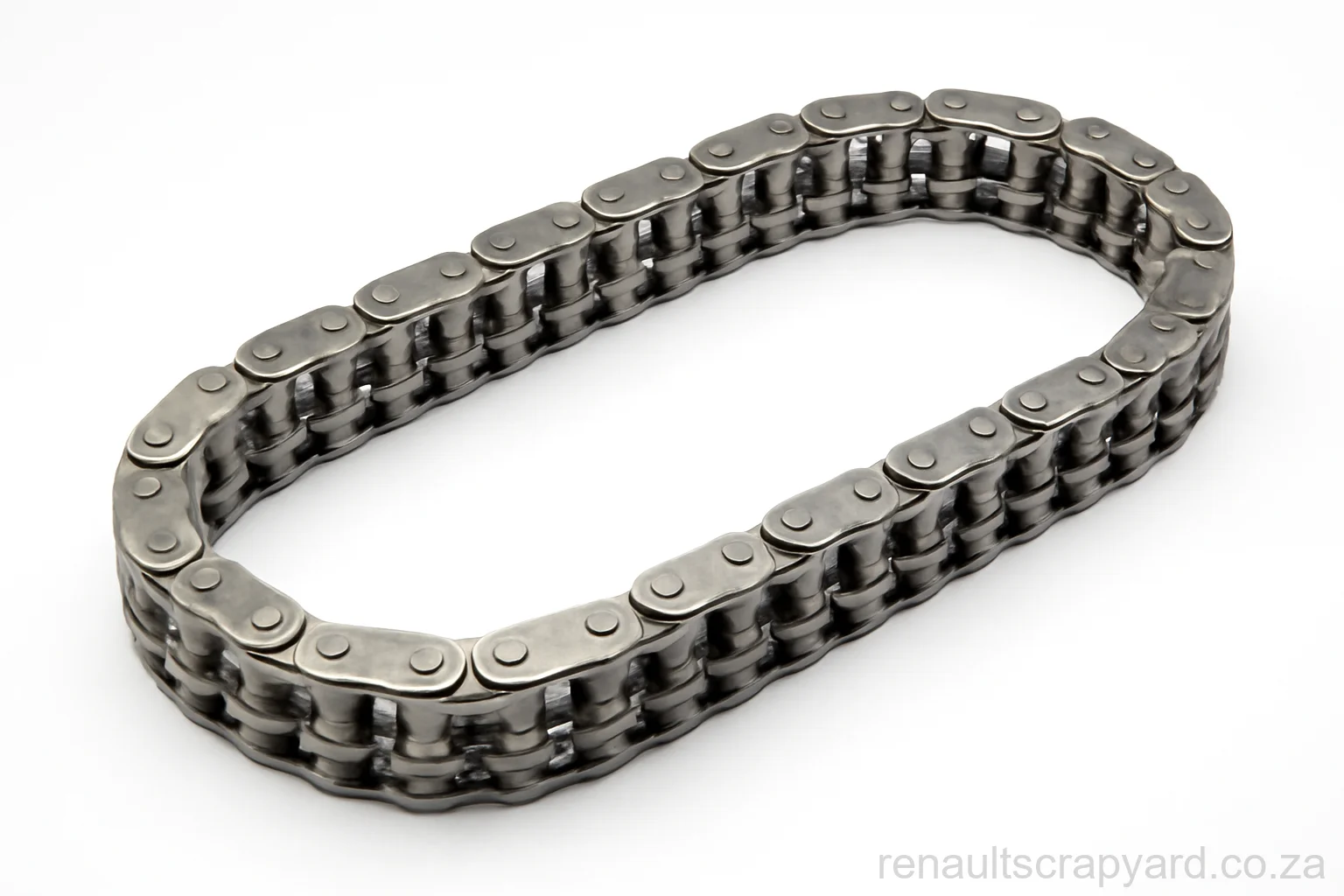
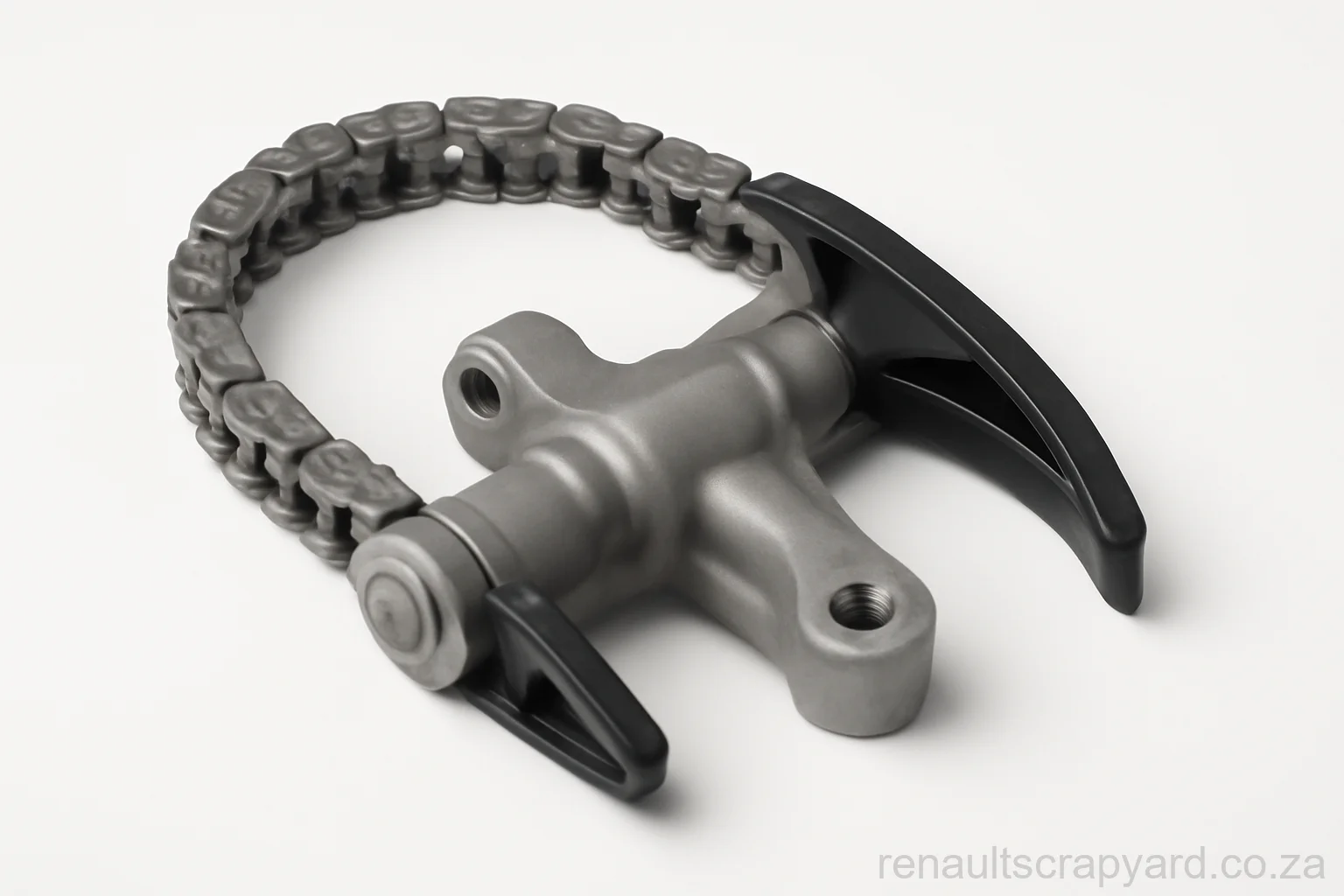
The single most talked-about A3 fault is timing chain stretch and tensioner wear on early EA888 TFSI engines. Motor Reviewer says it usually happens after about 100,000 km (60,000 miles), with high engine noise and unstable running that can lead to serious engine damage, and that the Gen 3 engine has a new tensioner and is less prone to it. Owners typically hear a rattle on cold start-up; in the worst case the chain skips teeth, which can mean bent valves and a destroyed top end.
Source: Motor Reviewer, EA888 1.8/2.0 TSI
The fix is to replace the chain, tensioner and guides as a kit. As an indicative range (not a quote), a timing chain kit and labour is around R8,000–R18,000 if you catch the rattle early, far cheaper than the engine rebuild that can follow a snapped chain.
2. Oil Consumption (Gen 2 EA888)
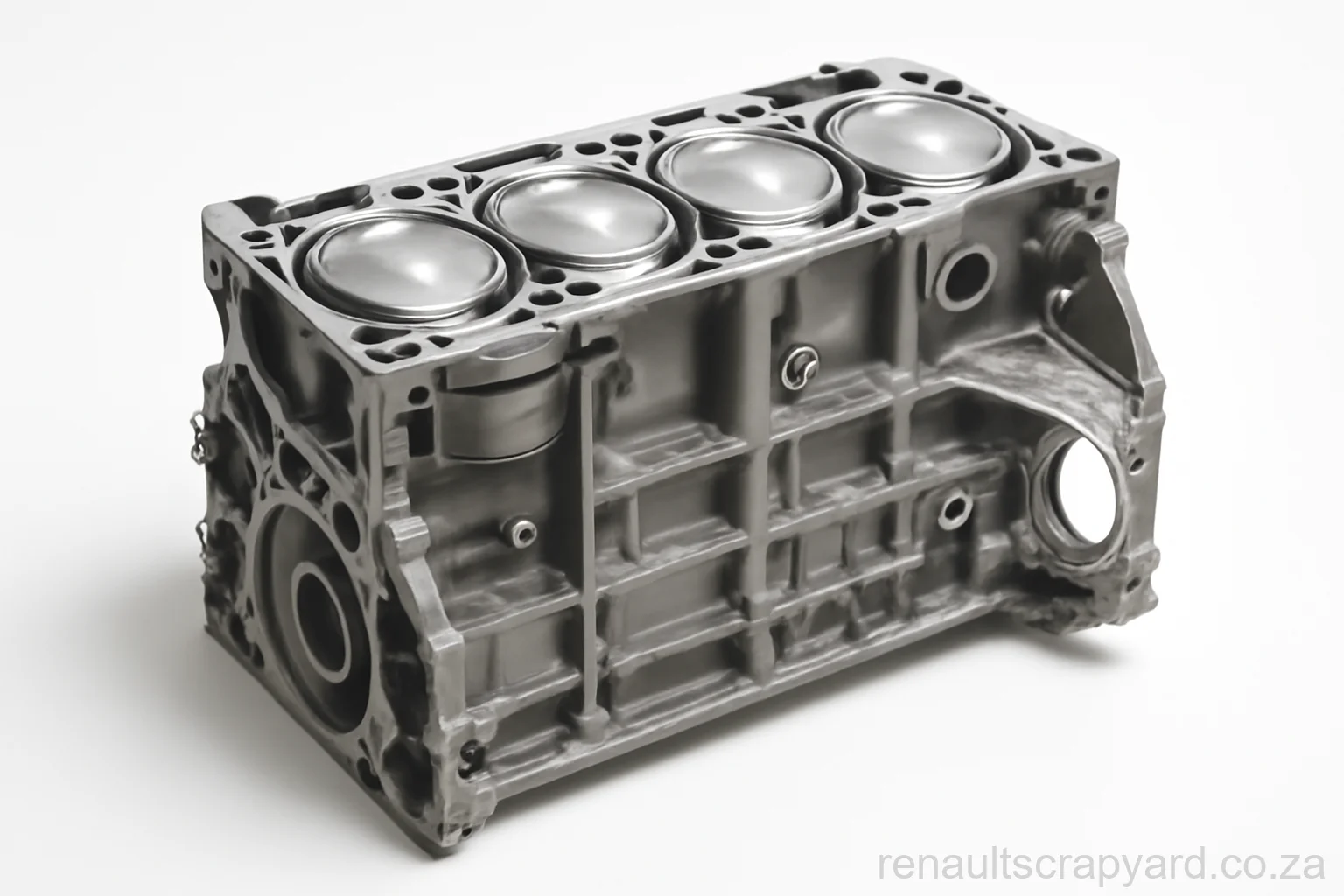
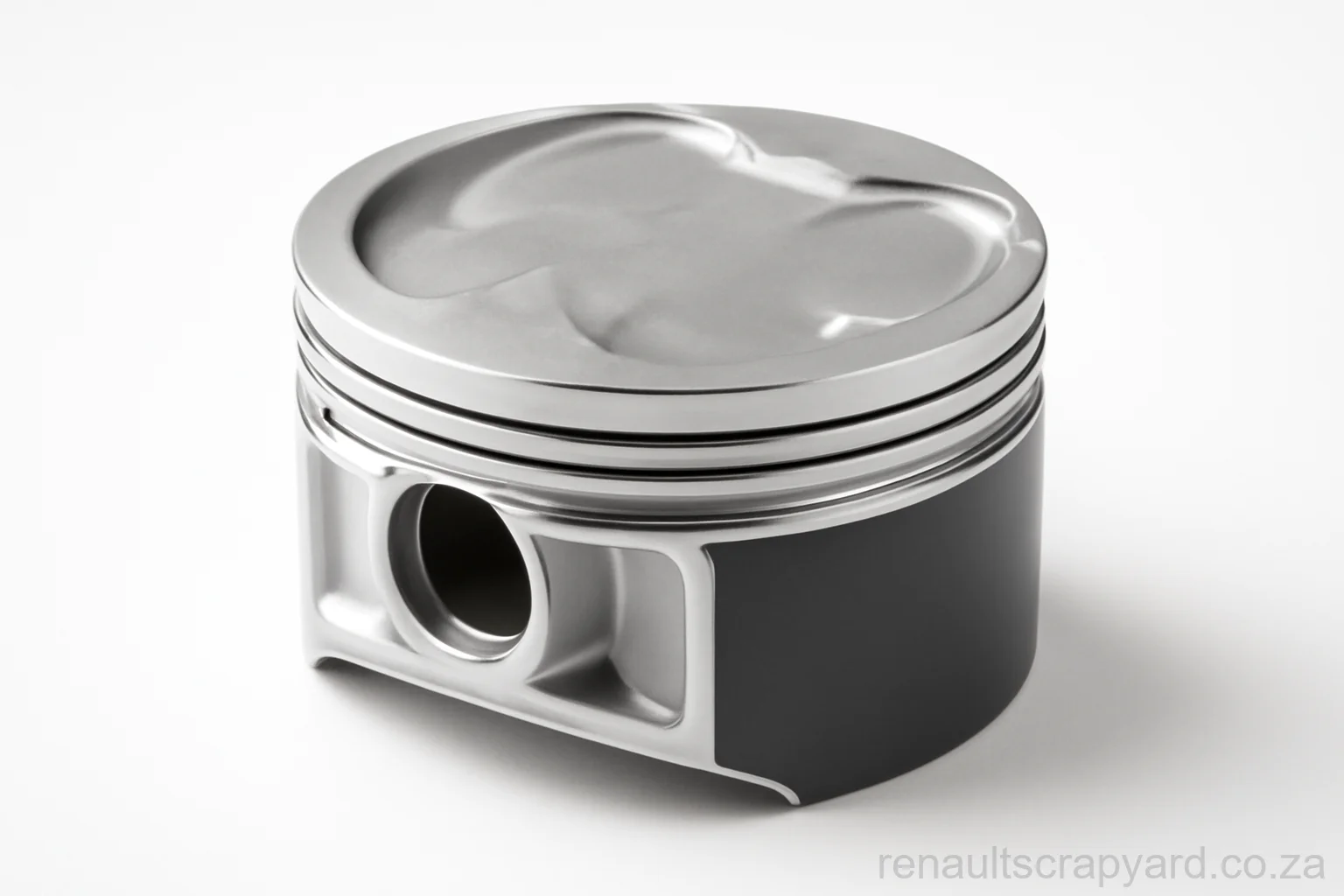
If you are looking at an A3 with a Gen 2 1.8 or 2.0 TFSI, oil consumption is the headline risk. Motor Reviewer says the Gen 2 is "well known due to its love of consuming a lot of oil", caused by piston rings that are too thin, and that consumption can climb to as much as 2 litres per 1,000 km at around 100,000 km. CarBuzz notes that VW Group redesigned the piston rings for the Gen 3 engine, which addressed the problem.
Source: Motor Reviewer, EA888 1.8/2.0 TSI Source: CarBuzz, Most Reliable Audi Engine
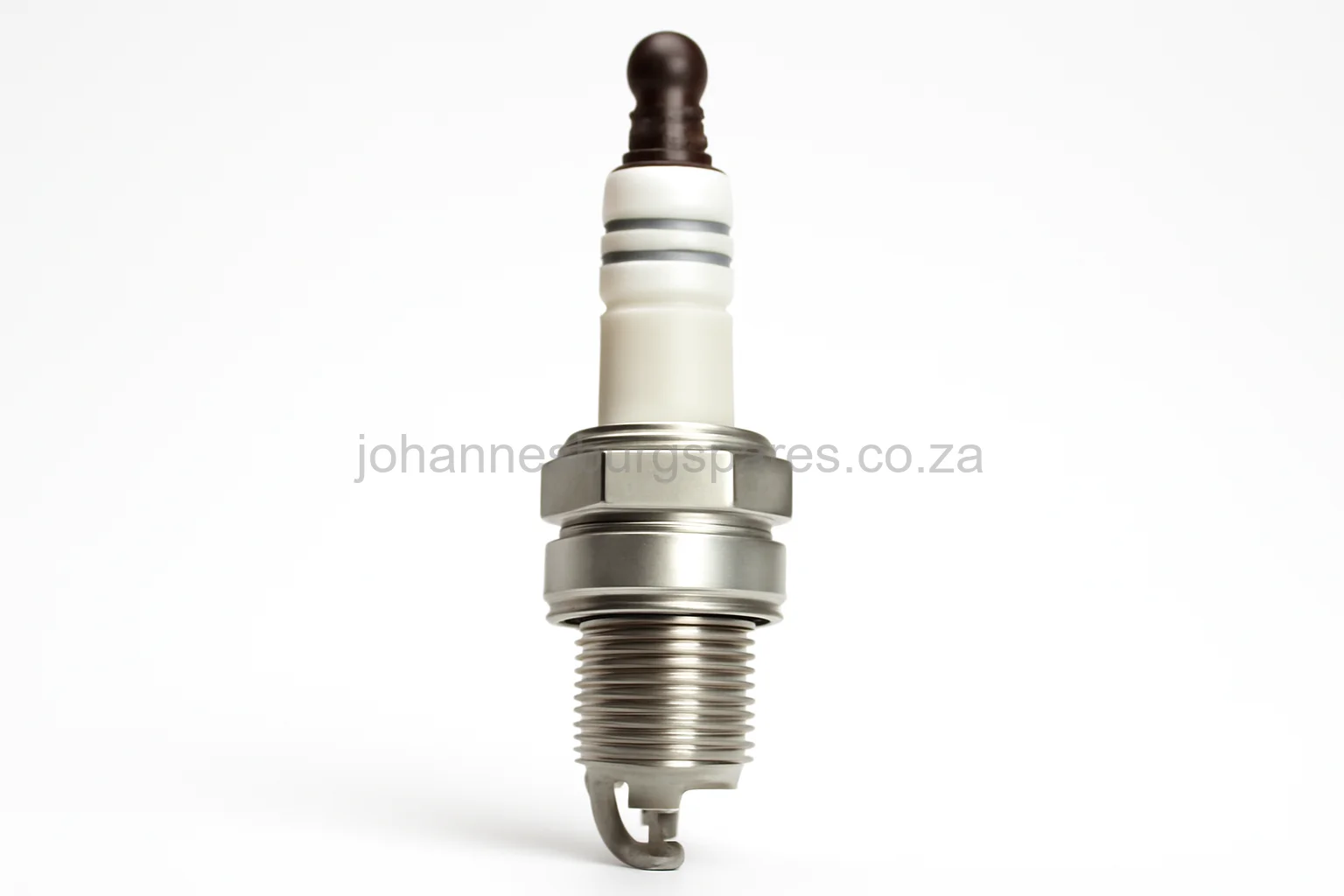
Symptoms are a steadily dropping dipstick, blue smoke and fouled spark plugs. Always check the oil level on any used Gen 2 car before buying. The fix is new pistons and rings, which is a big job, so get a quote; on a high-mileage car a tested used replacement engine is often the smarter buy.
3. Carbon Build-Up on the Intake Valves (Direct-Injection TFSI)
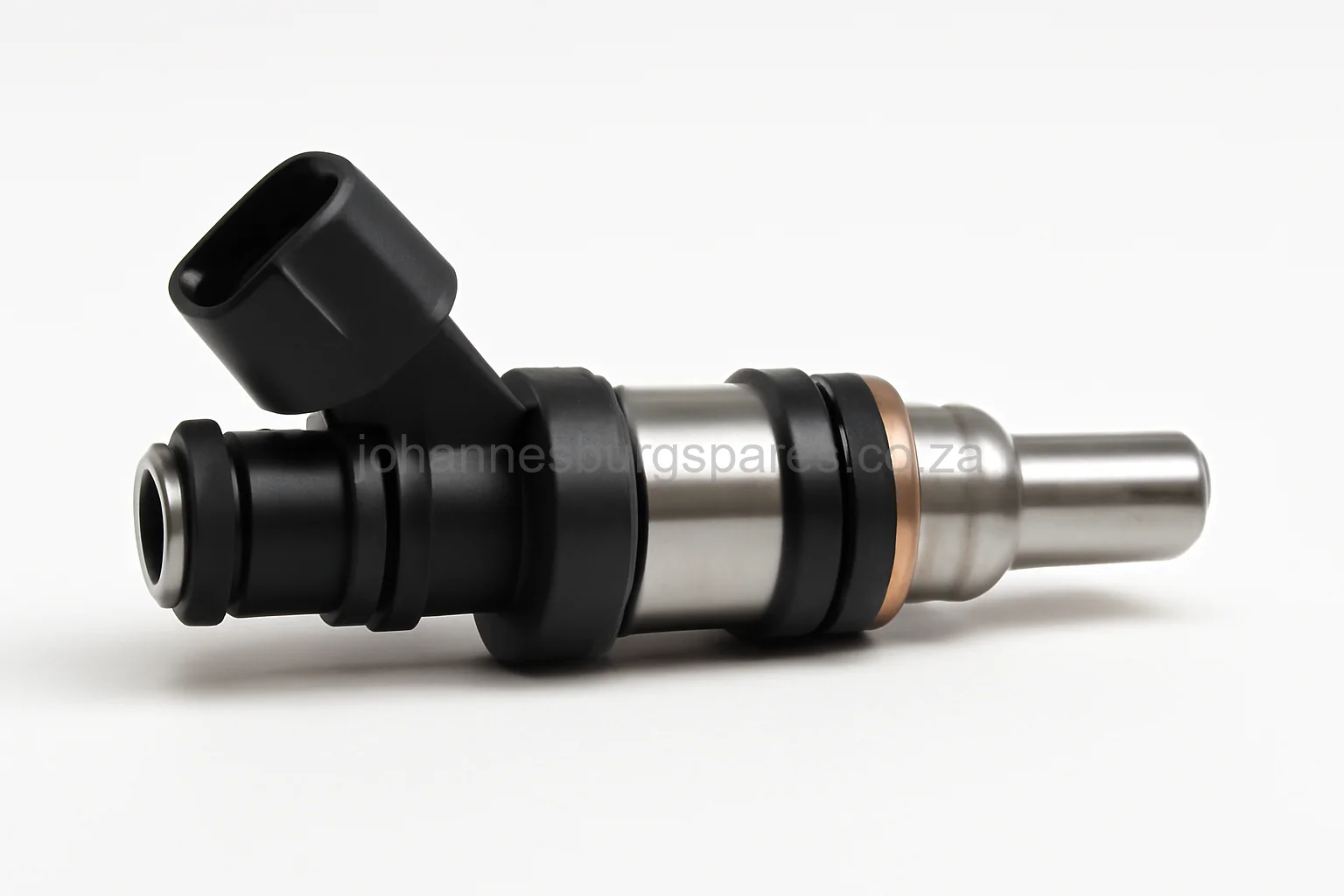
Direct-injection (FSI/TFSI) A3s share one trait: because fuel is sprayed straight into the cylinder, there is no petrol washing over the back of the intake valves, so carbon accumulates. Motor Reviewer calls carbon build-up on the intake ports and valves an "unavoidable issue" of the direct-injection engine. It causes rough idle, hesitation and misfires.
Source: Motor Reviewer, EA888 1.8/2.0 TSI Source: Jalopnik, Direct Injection Carbon Buildup
The fix is a walnut-blast or manual decarbonise of the intake ports. It is maintenance rather than catastrophe; prices vary between workshops, so get a quote. Doing it alongside a fresh set of plugs and coils restores smooth running.
4. DSG / S tronic Gearbox Faults (DQ200 Dry Clutch)
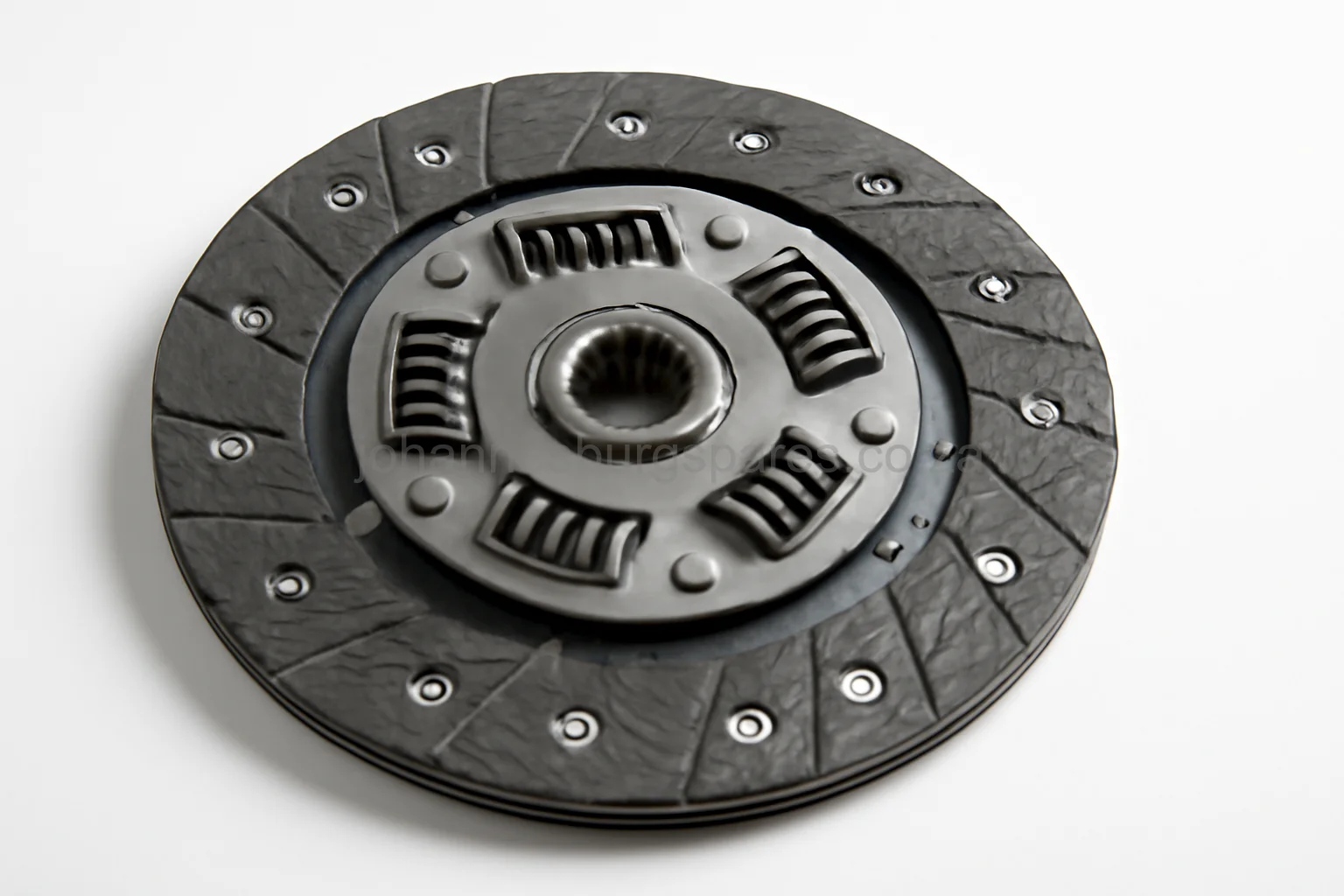
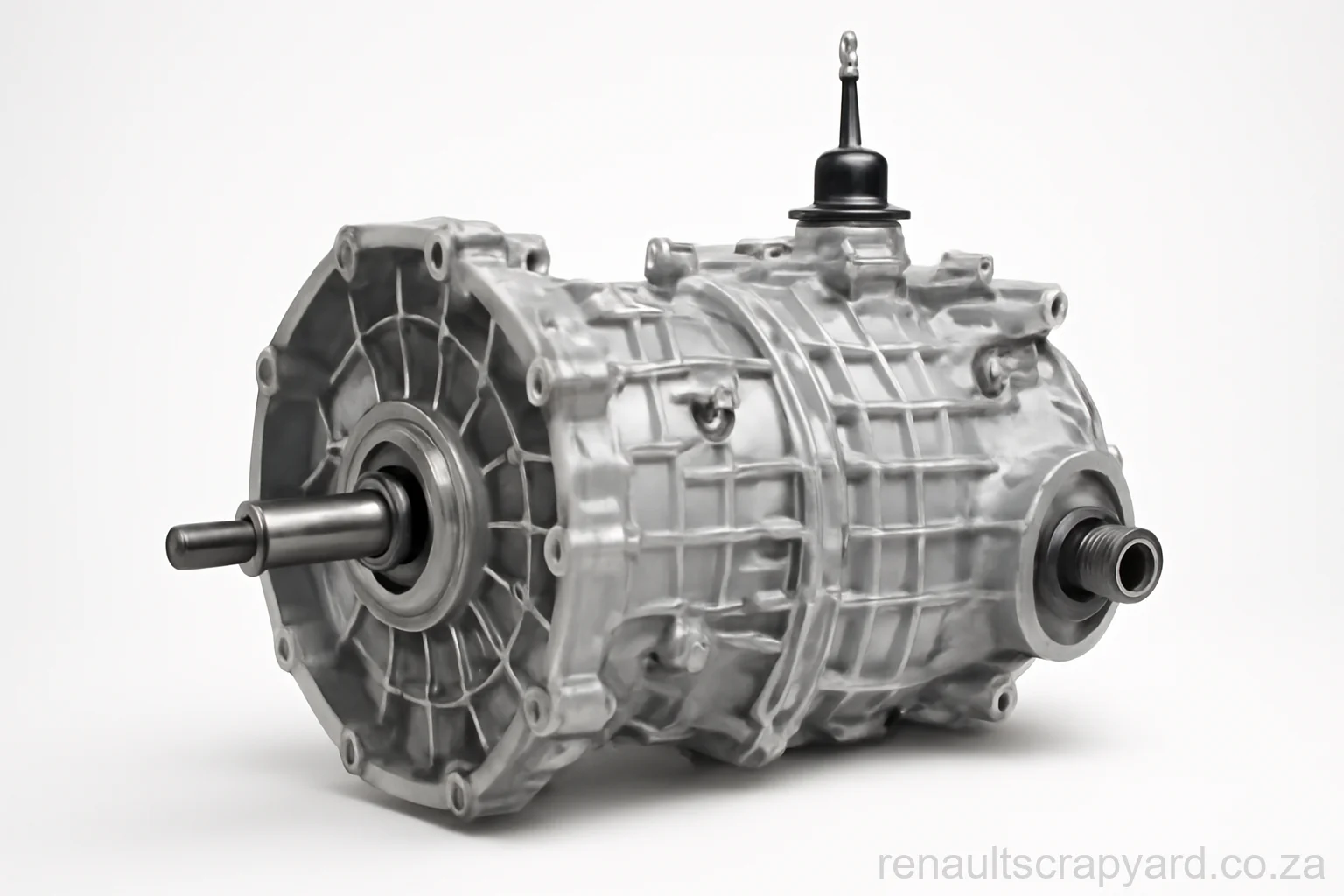
The 7-speed S tronic fitted to many lower-powered A3s is the DQ200, a dry-clutch, front-wheel-drive dual-clutch gearbox rated at 250 Nm. It is the A3's best-known transmission weak spot. Two failure modes dominate: mechatronic (the electro-hydraulic control unit) faults causing harsh shifts, juddering or loss of drive, and dry-clutch wear that shows up as shudder pulling away.
Source: autoevolution, Volkswagen Group's DSG Gearbox Explained
Higher-torque A3 variants use wet-clutch gearboxes, which are tougher but still need their fluid service; VW specifies a fluid and filter change on the DQ250 every 40,000 miles (about 64,000 km). The dry DQ200 is sensitive to heat in stop-and-go traffic, so heavy crawling in Johannesburg or Cape Town congestion is hard on it.
Source: Vasstechnik, When to Change Your DSG Fluid
Our gearbox price guide lists used DQ200 and DQ250 mechatronic units at about R9,500–R12,500 depending on condition (indicative, not a quote). A complete tested used gearbox is often the most economical route, see Audi gearboxes for sale.
5. Water Pump and Thermostat Leaks (8V EA888)
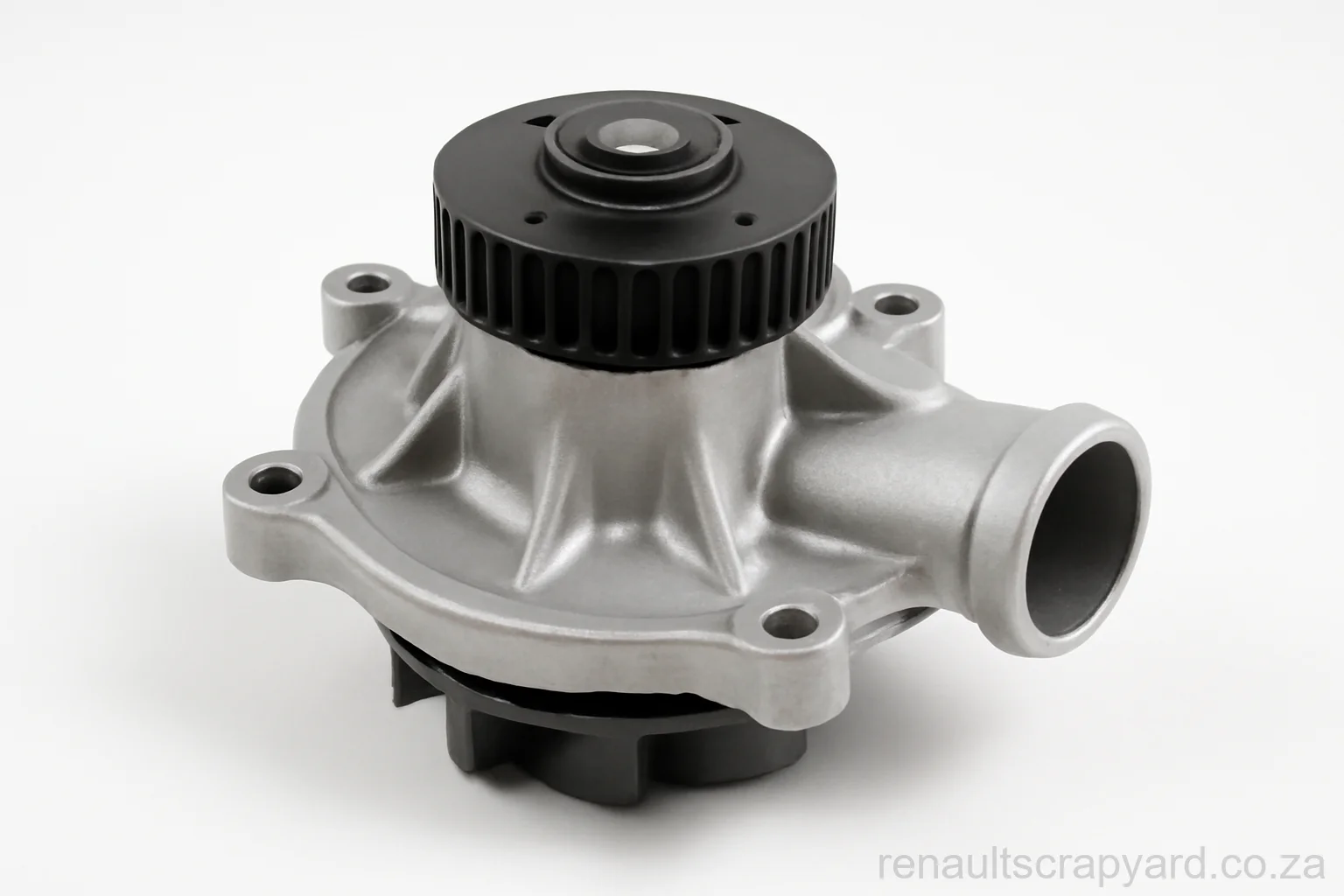
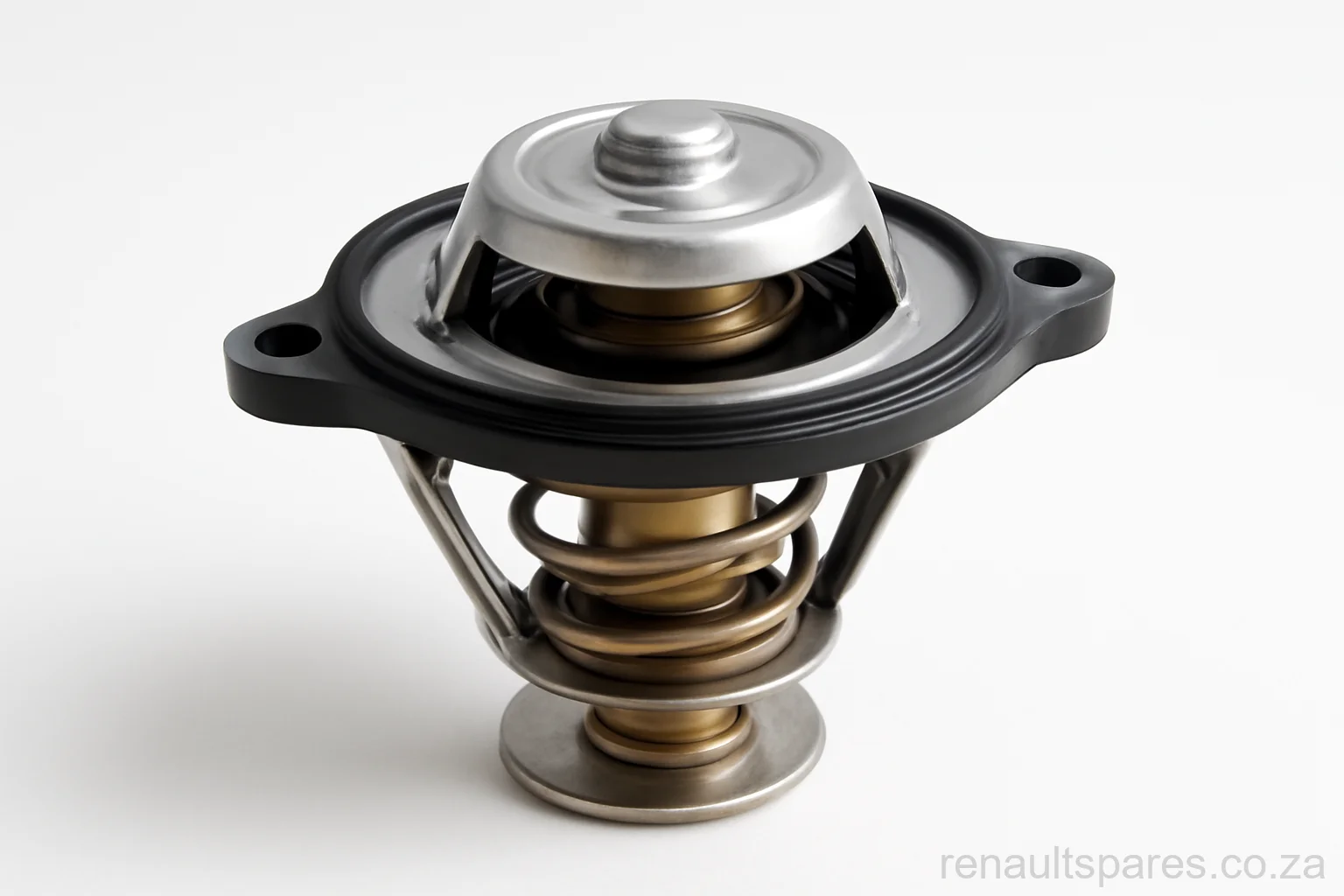
On the 8V generation the water pump and thermostat are a common leak point. The first sign is usually a low-coolant warning, sometimes with a sweet smell or a puddle under the front of the engine. CarBuzz says the thermostat and water pump were of particular concern on the Gen 3 engines.
Source: Audizine, Leaking Water Pump / Thermostat Source: CarBuzz, Most Reliable Audi Engine
The pump and thermostat are usually replaced together, which is cheap insurance against overheating damage. Related cooling parts are easy to source second-hand.
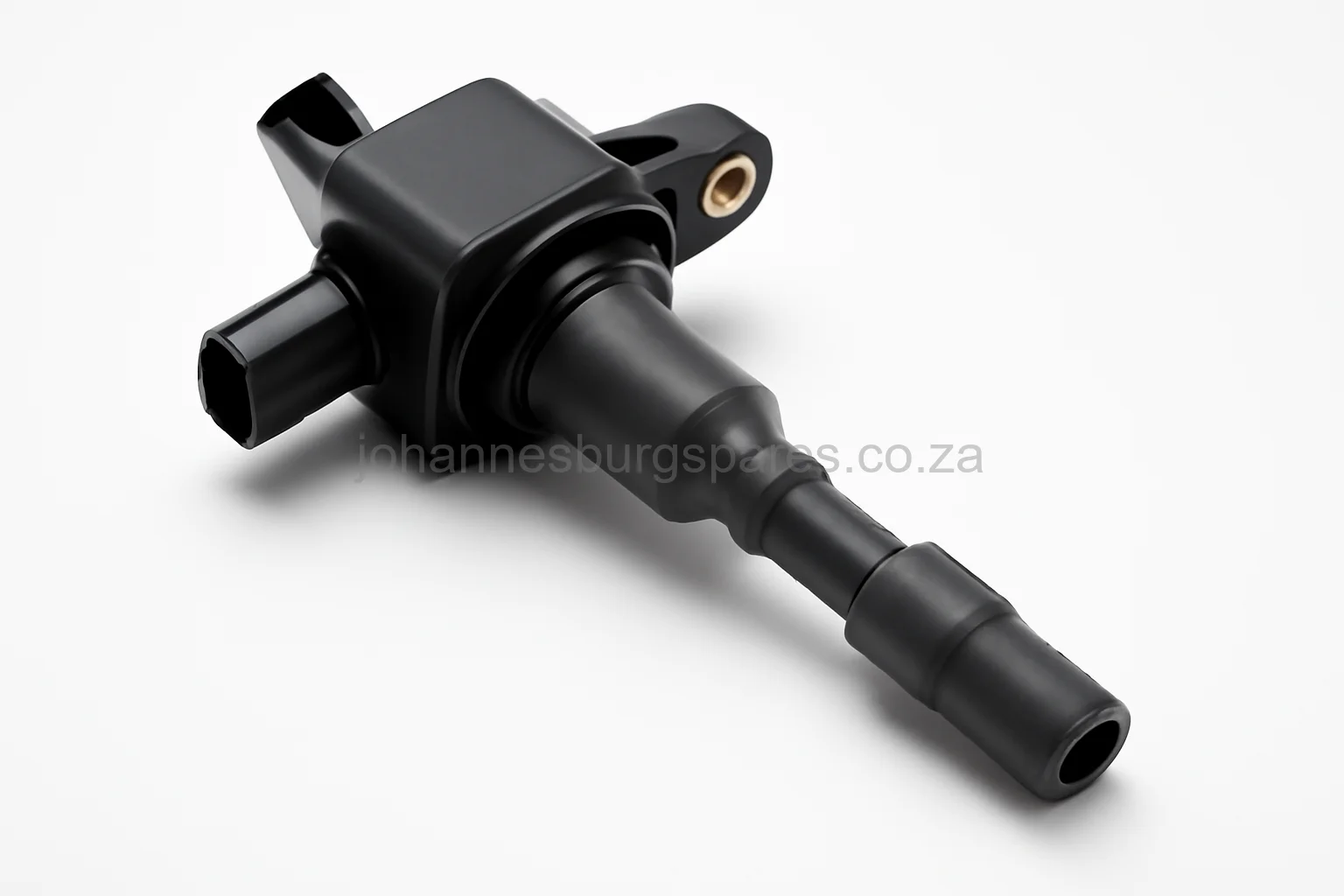
6. Ignition Coil and Coil-Pack Failures (TFSI)
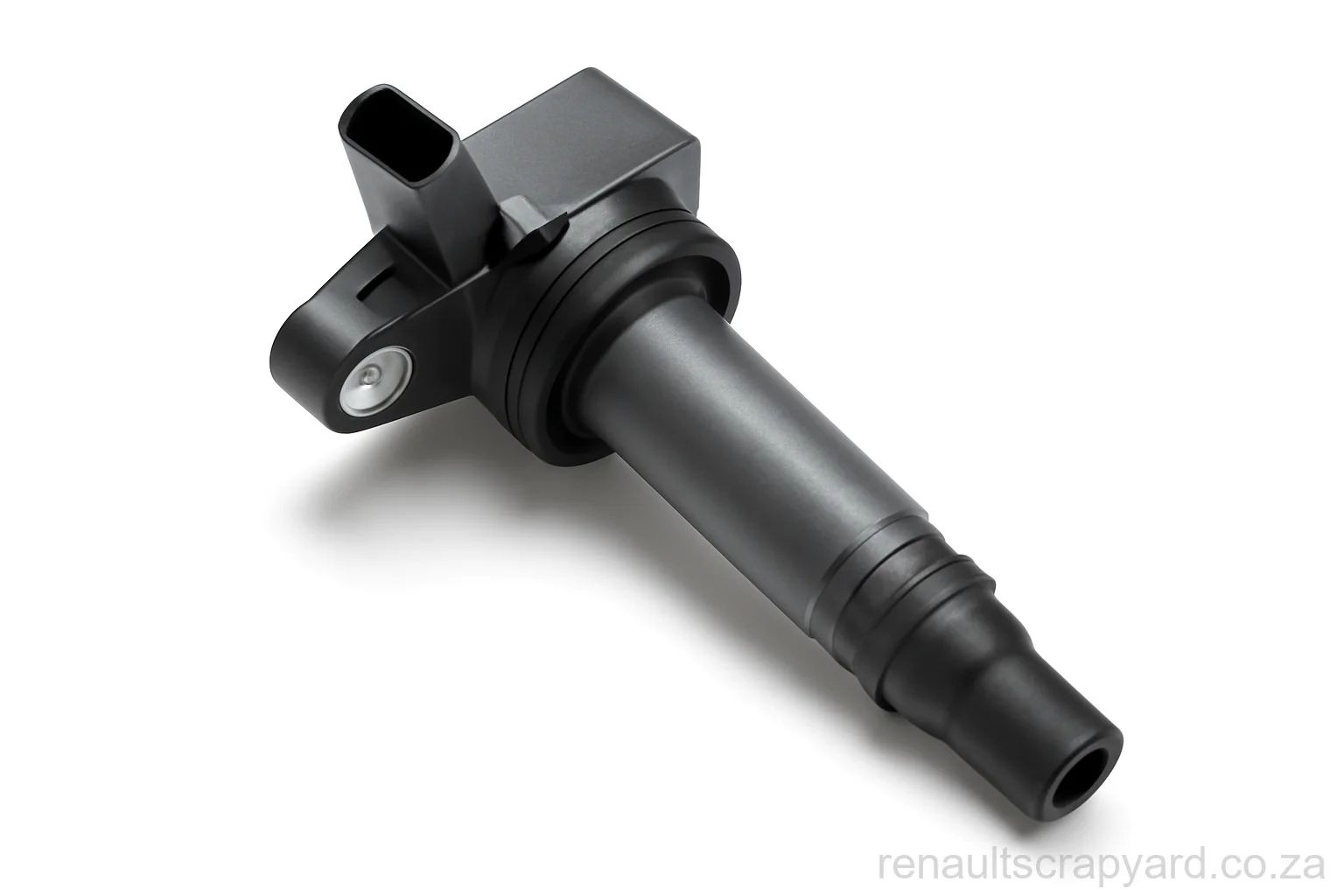
Ignition coils are a routine wear item across the TFSI range and a frequent cause of a flashing engine light, misfire and rough idle. They tend to fail one at a time, and the cylinder-specific misfire code makes them easy to diagnose.
Source: Audi-Sport.net, S3 8V Coolant Leak Thread (coils noted)
Coils are among the cheaper parts on the car, and many owners replace the full set with plugs as preventative maintenance.
7. DPF and EGR Issues (TDI Diesels)
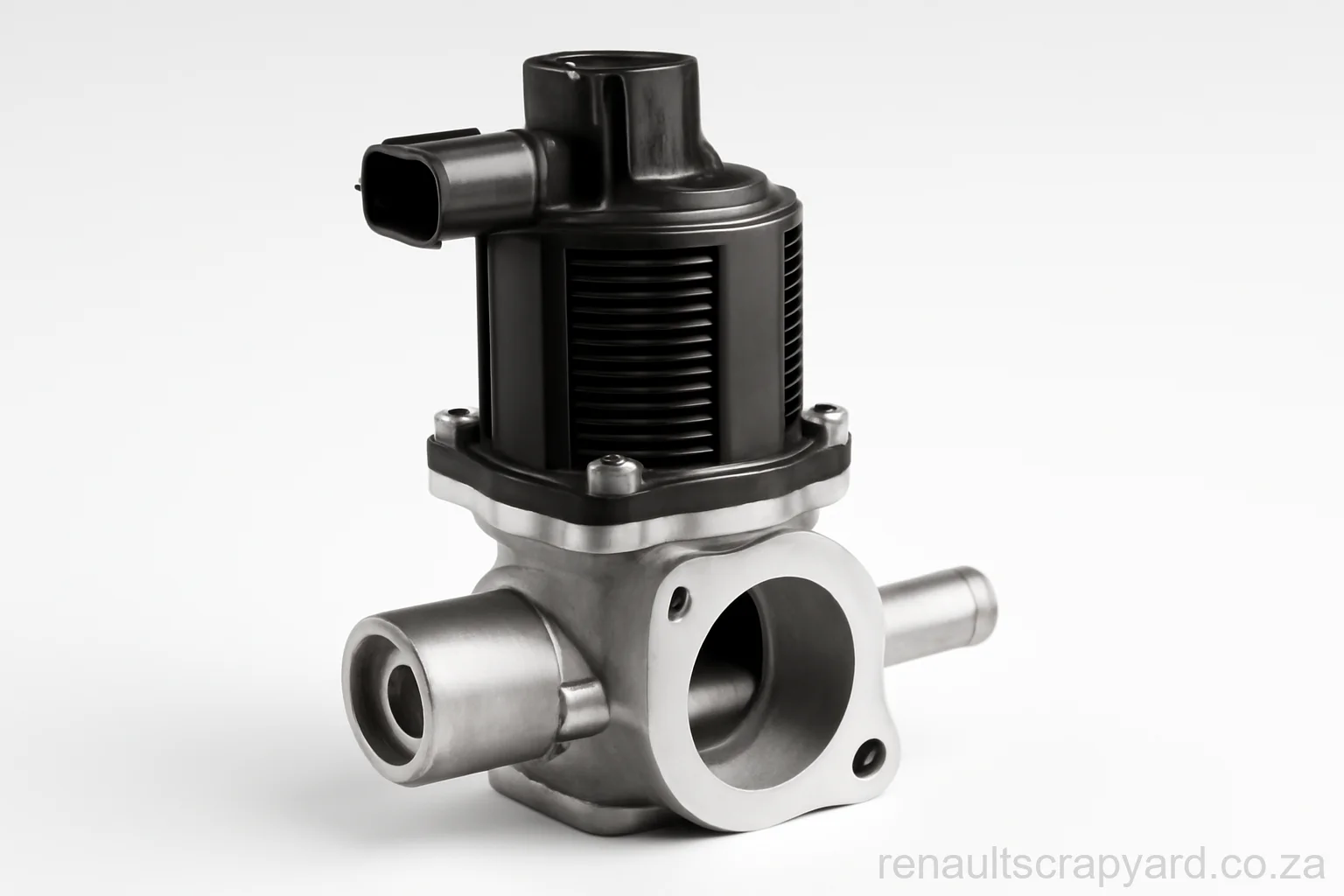
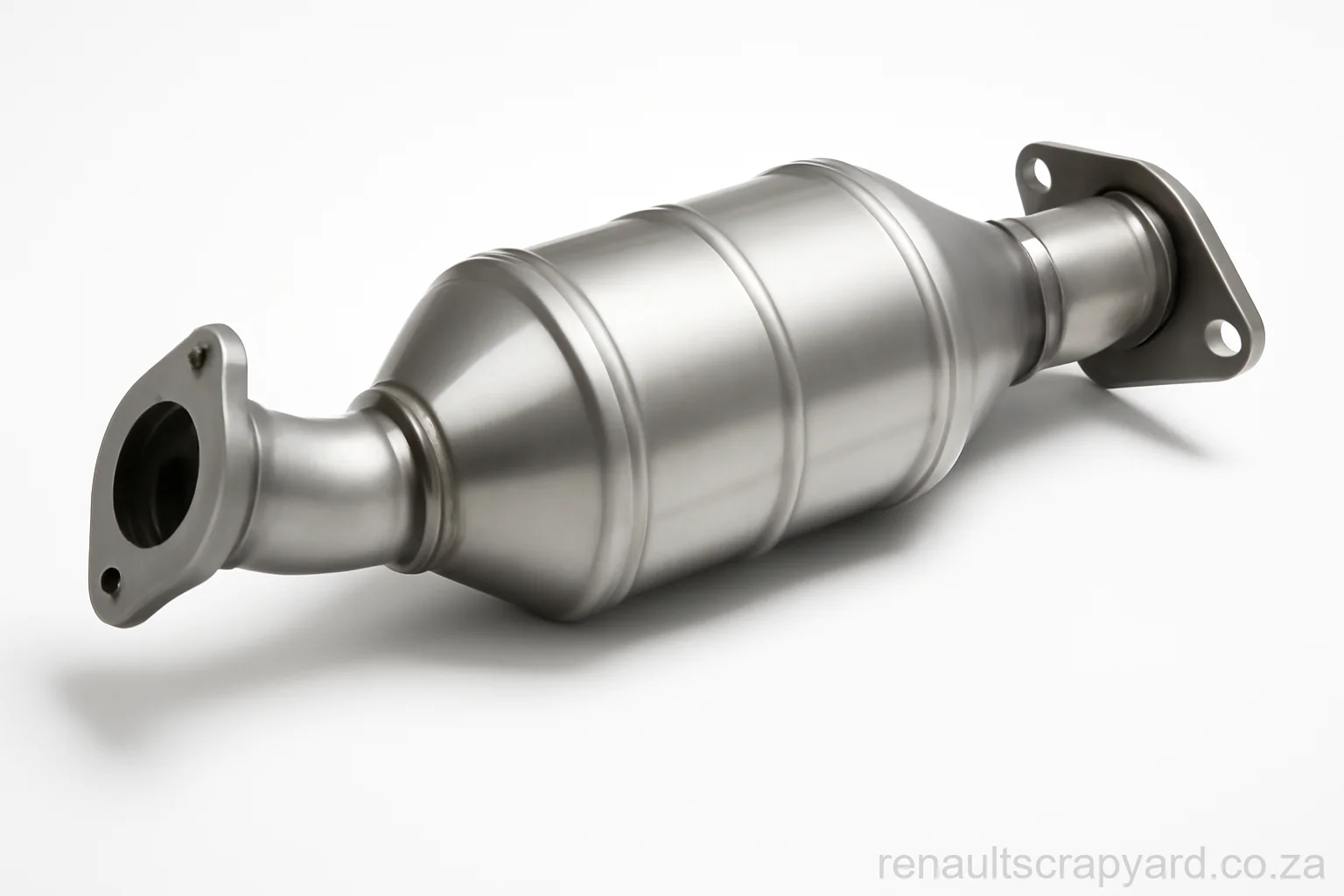
If you are looking at a diesel A3 with the 1.6 or 2.0 TDI, the diesel particulate filter (DPF) and EGR system are the things to watch, especially with stop-start city driving. Short trips never get the DPF hot enough to regenerate, so it clogs, triggering a warning light, limp mode and rising fuel use. The EGR valve and cooler also clog with soot, causing rough running and hesitation.
Source: My Engine Specs, Audi A3 2.0 TDI Problems
A blocked DPF that cannot be regenerated needs cleaning or replacing, and an EGR valve replacement is a common follow-on job; our DPF and EGR guide covers cleaning versus replacement. Regular longer runs at speed are the best prevention.
Source: My Engine Specs, Audi 2.0 TDI Problems
8. Suspension and Steering Wear (All Generations)
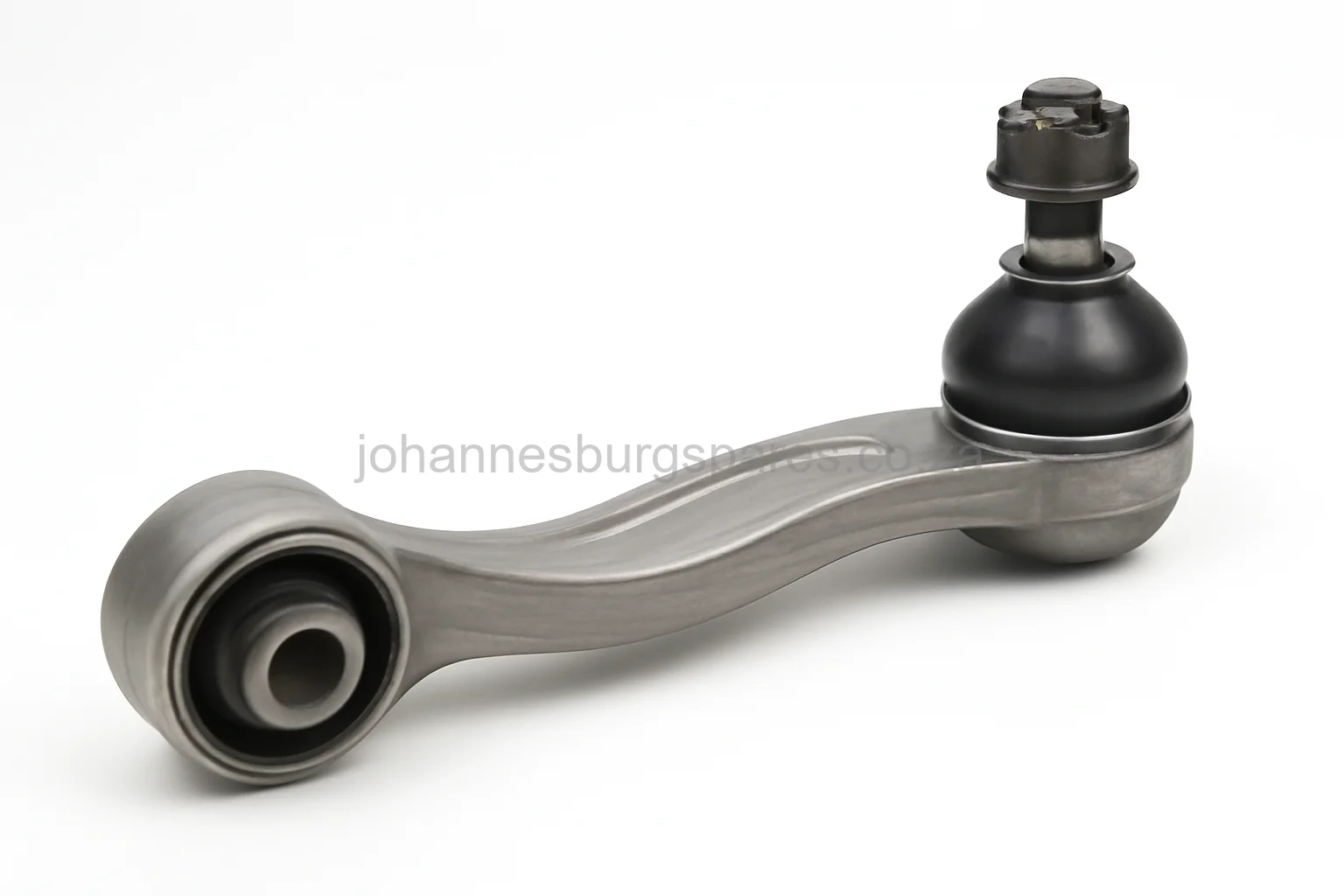
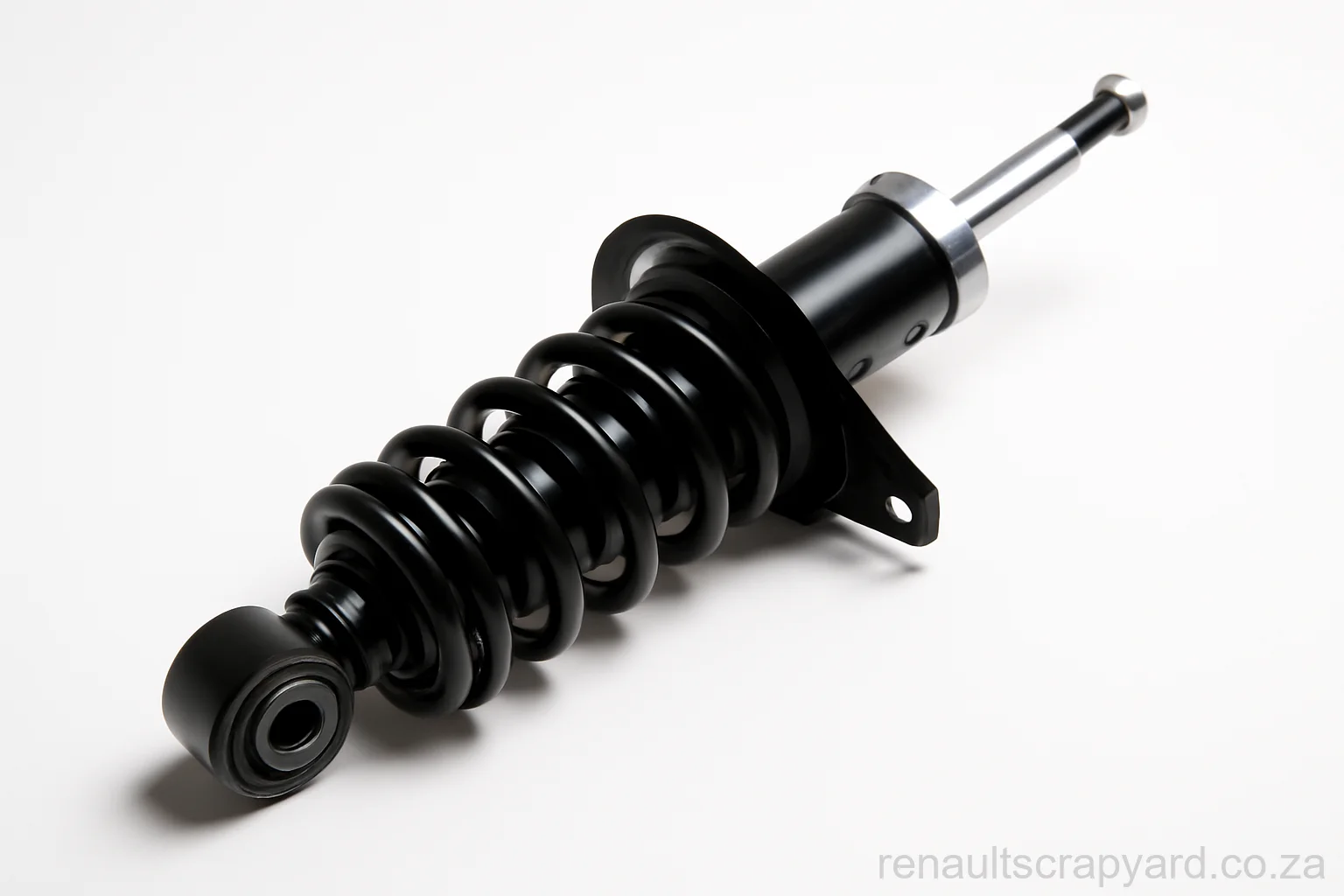
Like most firmly-sprung hatchbacks, the A3 works its front suspension hard on rough roads. Common complaints are worn control-arm bushes and ball joints, tired front shocks, and knocking from the anti-roll-bar drop links. Symptoms are clunks over bumps, vague steering, and uneven front-tyre wear.
These are wear-and-tear items rather than design faults, and they are cheap to put right relative to the engine and gearbox issues above. Control arms, drop links and shocks are easy-to-source parts, and replacing them in pairs keeps the handling balanced.
9. Electronics on the 8Y (2020+)
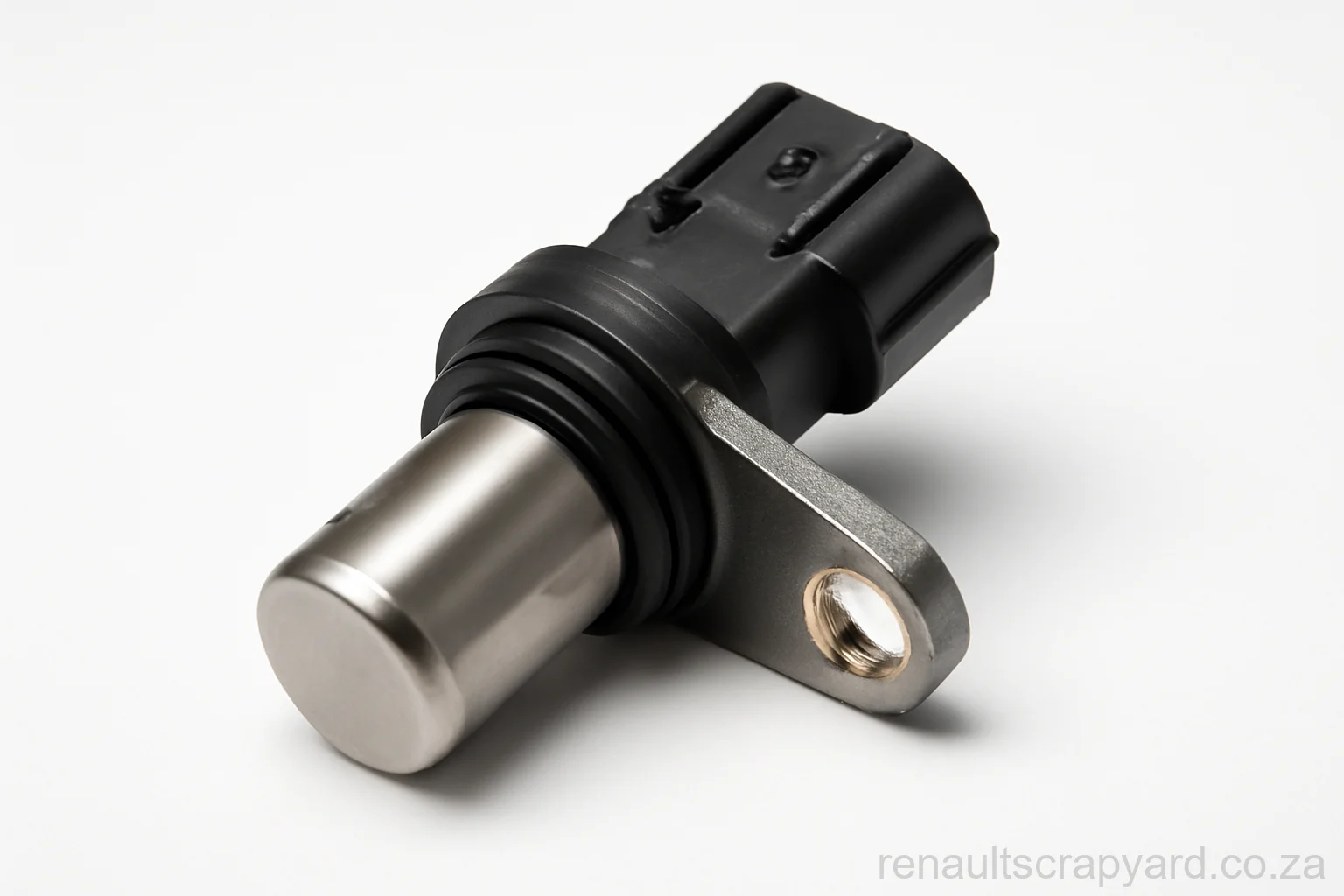
The newest 8Y A3 is the most electronics-heavy of the three. On any used 8Y, check that the MMI infotainment screen and driver aids work properly and have any warning lights scanned before you buy. Many infotainment faults are resolved with a software update, and where a module itself has failed, a used module is a sensible saving, provided the part number matches.
10. Which A3 Generation Is Most Reliable, and Buying Used Wisely
Putting it together: on early TFSI cars, watch the timing chain tensioner, and inspect Gen 2 EA888 engines hardest for oil burning. The 8V with the Gen 3 EA888 is the reliability sweet spot, with a new tensioner and redesigned piston rings. The 8Y (2020+) is the most electronics-heavy.
Source: CarBuzz, Most Reliable Audi Engine
Whichever you own, the A3's popularity is your advantage. When something major fails, a tested used engine, gearbox or module almost always beats a dealer repair on price while keeping genuine Audi fitment. Always confirm the engine code and part number before buying, the safest way to make sure the part matches your exact variant.
Related Reading
- Browse Audi A3 Spares, tested used engines, gearboxes, panels and electronics for every A3 generation
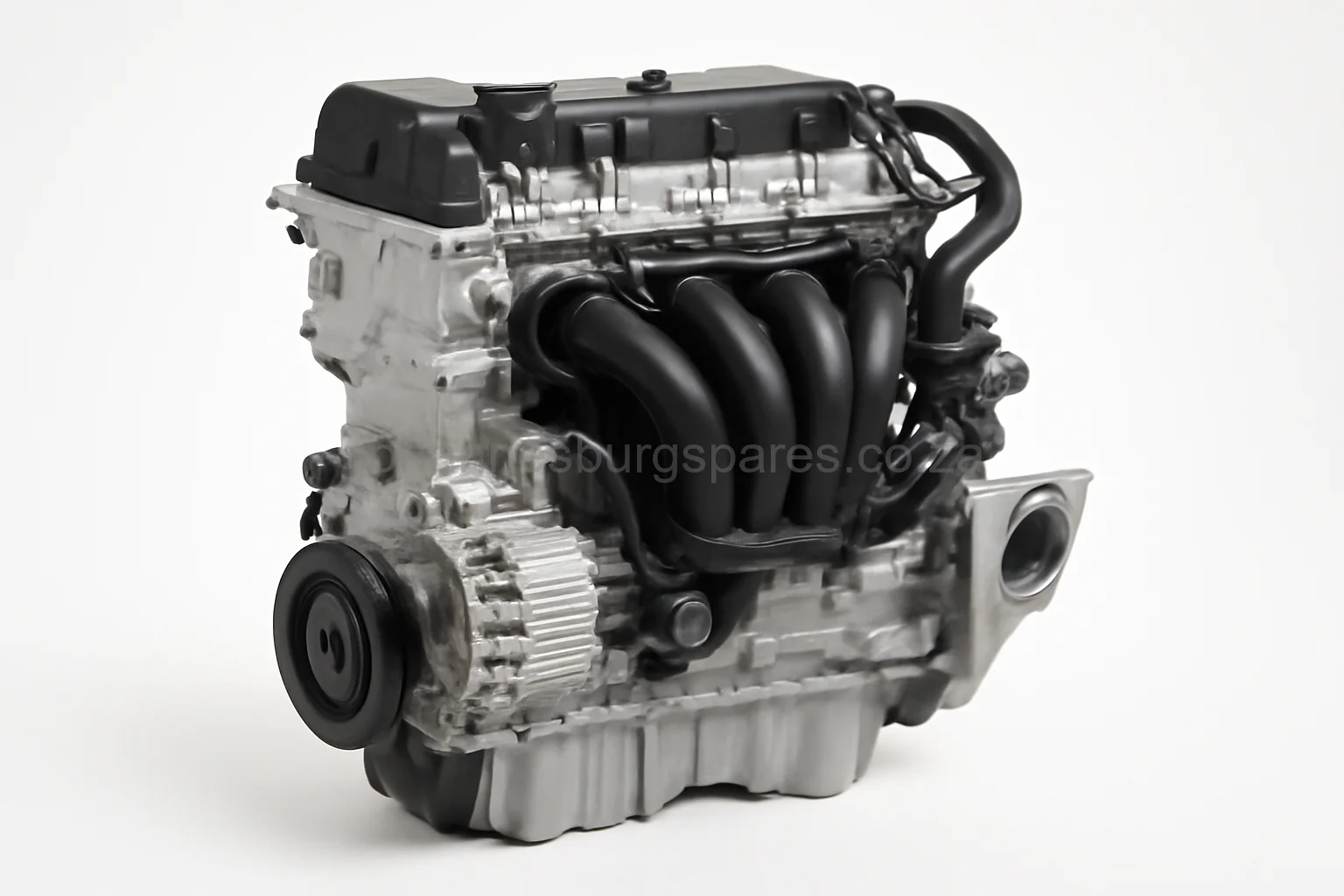
- Used Audi Engines for Sale, TFSI, TDI and FSI replacement engines verified by code
- Audi DSG Gearbox Guide, how the DQ200, DQ250 and DQ500 differ and what to check before buying
- Audi A4 Common Problems, the A3's bigger sibling shares many of the same EA888 and DSG faults


